UN Fund Board Urges Nepal Flood Aid Meeting
Eight board members of the UN's new loss and damage fund have called for an emergency meeting to allocate money to Nepal after catastrophic flooding.
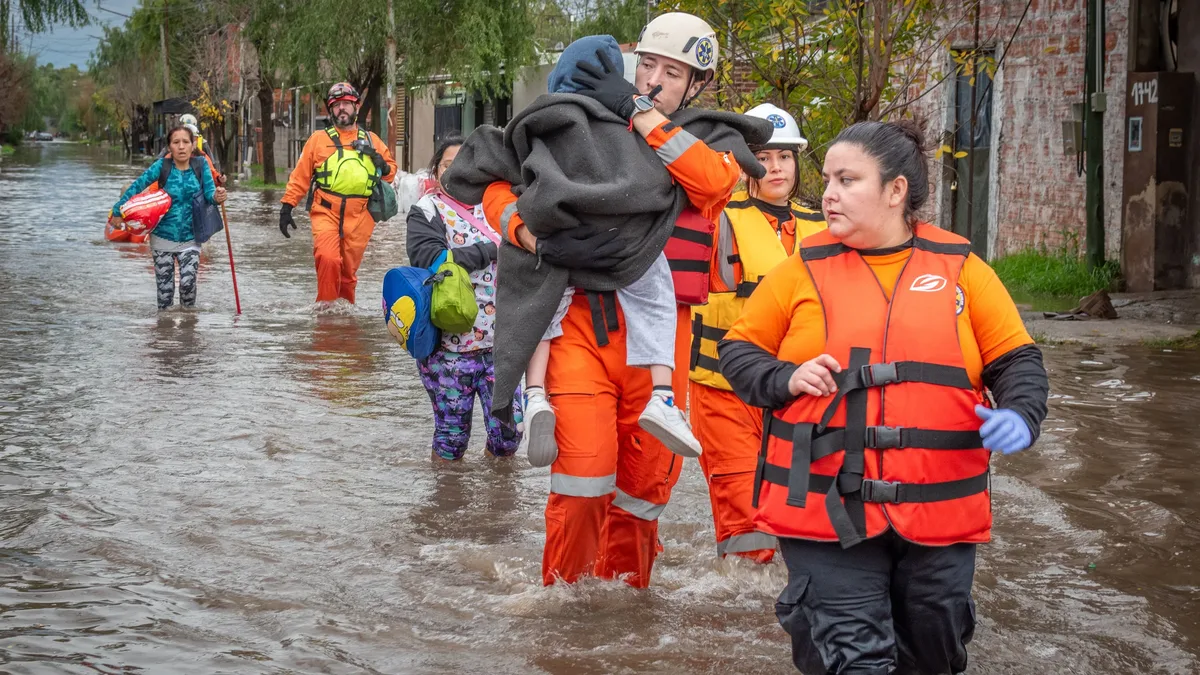
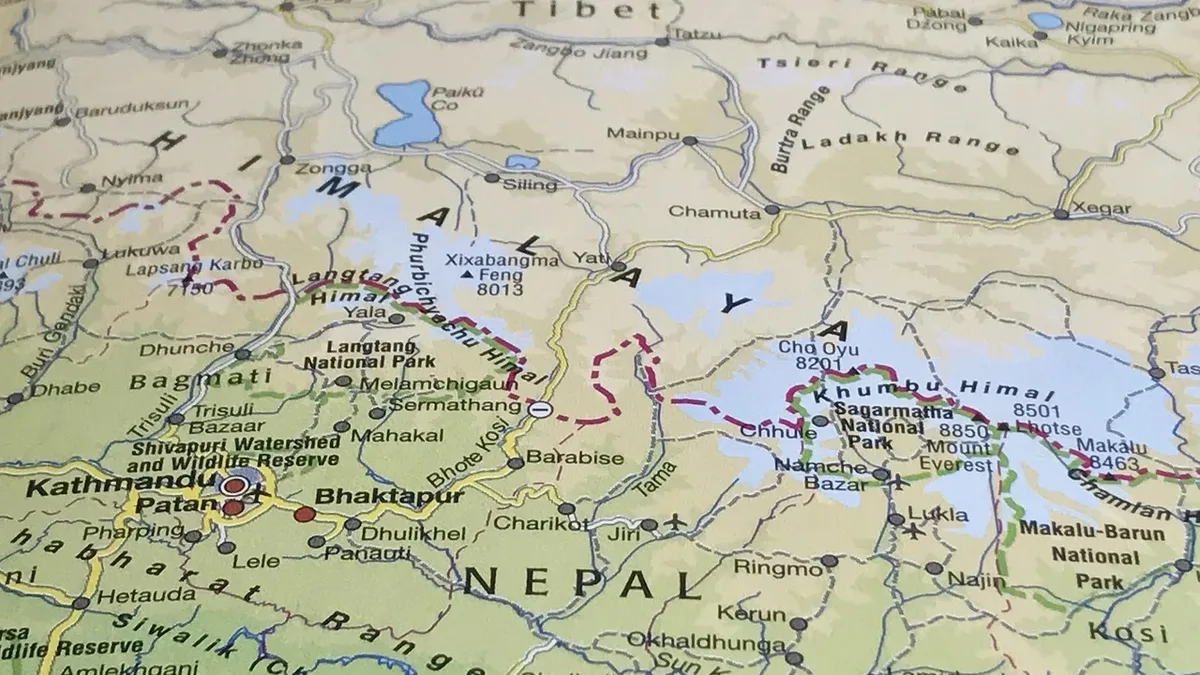
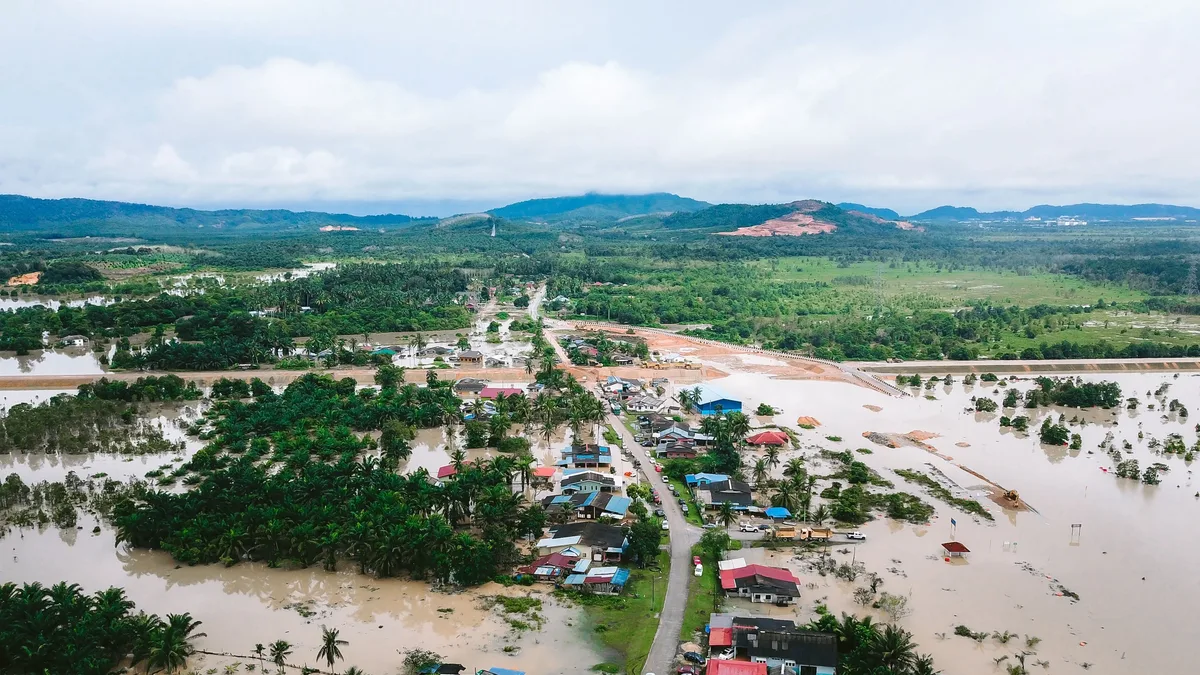
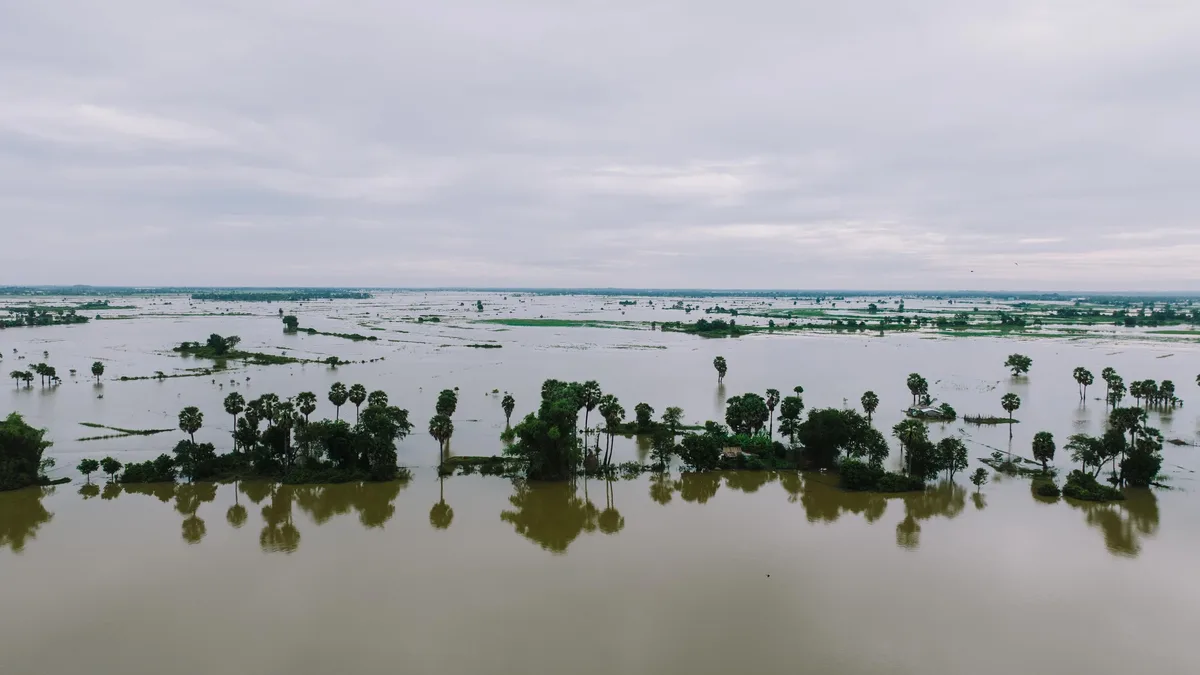
UN loss and damage fund board members call for an extraordinary meeting to allocate money to Nepal. The request follows catastrophic flash flooding last week that caused hundreds of deaths and an estimated $5 billion of destruction, according to a letter seen by Climate Home News.
The letter was signed by eight African, Asian and Least Developed Country board members. It followed a direct funding appeal from Nepal's government on Monday. The signatories argue the disaster constitutes precisely the kind of climate-related extreme weather event the fund was established to address.
Scientists believe the debris-laden torrent was unleashed by a glacial slope collapsing after unusually hot weather. The letter states the scale of loss warrants the board's urgent consideration of how the fund's existing instruments should be mobilised to support Nepal's government and affected communities.
Fund Rules and Precedent
The rules of the fund's initial phase allow for support of rapid response. The fund's governing instrument says it can provide funds complementary to humanitarian actions taken immediately after an extreme weather event, as well as funds for immediate or long-term reconstruction or rehabilitation.
Governments agreed to set up the fund at UN climate talks in 2022. It launched its first call for proposals at the end of last year, receiving 180 submissions. These were mainly for long-term projects to help countries reduce climate risks. The fund has yet to approve any funding requests. Despite being set up after the 2022 floods in Pakistan, it has not given out any money for climate disasters.
The board members signing the letter want to set a precedent. They say the board should consider any procedural lessons the response offers for strengthening the fund's rapid-response modalities for sudden-onset extreme weather events.
Harjeet Singh, global convenor of the Fill the Fund campaign, told Climate Home News that civil society has pushed hard for the fund to be a rapid response mechanism. He said climate disasters like the one unfolding in Nepal cannot wait for scheduled committee cycles, adding that the Loss and Damage Fund was built for moments exactly like this.
Limited Practical Help
While the fund's response could set an important precedent, it is likely to be of limited practical help. The fund's rules mean it can only give out a maximum of $20 million to each project in its current initial phase. With only $820 million pledged by rich countries, it has allocated a total of $350 million to spend so far. Without further contributions, it could run out of money next year.
Nepalese climate negotiator Manjeet Dhakal told The Nation magazine that while $20 million may only be a symbolic gesture, it could set an important precedent for how the fund responds when disasters strike vulnerable countries. The government's preliminary damage estimate is $5 billion, with over 1,000 people dead.
A letter from Nepal's finance and environment ministers to the fund's board said Nepal had contributed negligibly to global greenhouse gas emissions yet continues to bear disproportionate climate impacts. The ministers emphasised that time is of the essence for a response.
Scientific Link to Warming
Despite initial reports of an earthquake, the US Geological Survey said the floods were caused by a glacier collapsing and a resulting landslide. Alton Byers, a scientist at the University of Colorado Boulder's Institute of Arctic and Alpine Research, told journalists that global warming has seen glaciers recede and glacial lake outburst floods increase.
Byers explained that a heating glacier is like butter taken out of the refrigerator, becoming mushy and losing the ability to hold together. He said melting water at altitude lubricates the interface between rock and glacier, increasing the likelihood of slippage. A trigger like gravity can then set off a sudden release, which is what happened last week.
He noted that many of the destroyed buildings in Nepal were located in places that have flooded before. The disaster took place on the Himalayan border of Nepal and Tibet. Chinese state media report at least 16 people dead and hundreds missing there. China's government has made no appeal to the loss and damage fund.
The fund board's co-chairs are now expected to respond to the letter. Any extraordinary board meeting is likely to be held online so members from around the world can attend at short notice.