UK and Europe heatwave death tolls highlight
Nearly 2,900 people died in UK heatwaves this year, with at least 35,000 dead across Europe, according to figures cited in a Guardian editorial.
Nearly 2,900 people are believed to have died in the UK due to early-summer heatwaves this year, according to a Guardian editorial. Across Europe, the death toll is at least 35,000, with figures for August heatwaves still to be counted.
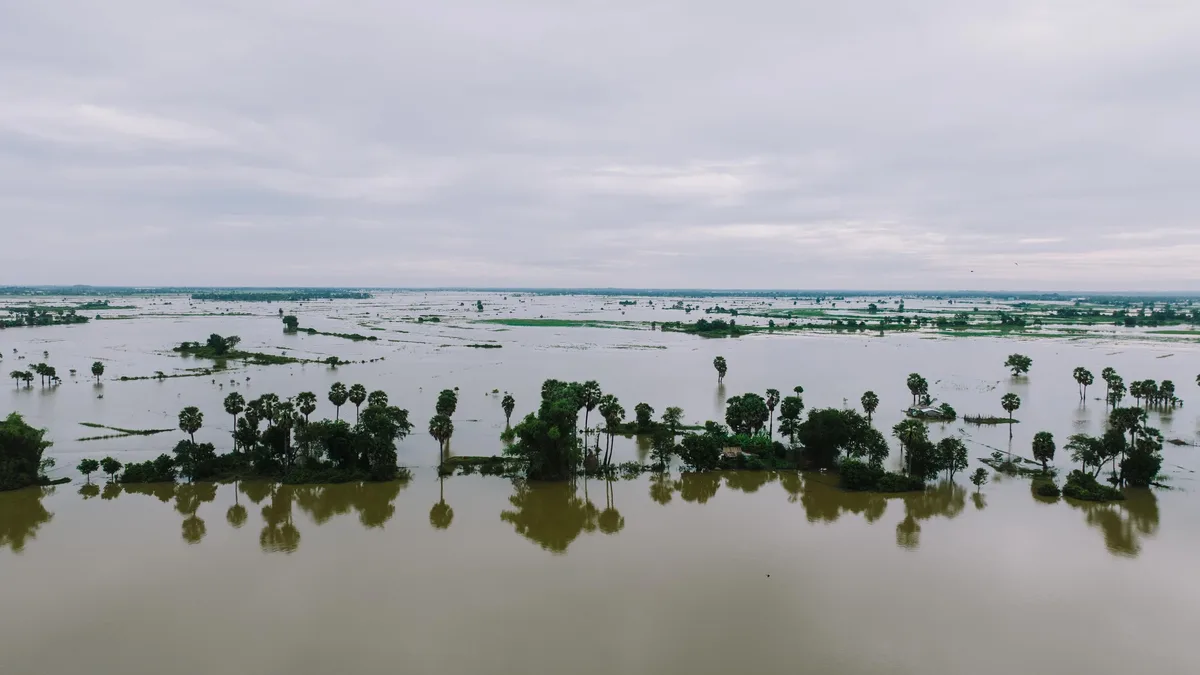
The editorial states these increasing deadly heatwaves are the most direct and damaging effect of the climate crisis felt in Europe. Yet, it argues, they are rarely framed as such. The piece contrasts heatwaves with more immediately dramatic natural disasters like floods or earthquakes.
Why heatwaves are not seen as disasters
There are clear reasons for this perception gap. Heatwaves unfold over longer periods. They are less visually dramatic. The majority of those who die are elderly or otherwise vulnerable. Their deaths often take weeks or months to be catalogued. All these factors make heatwaves seem less immediate and visible.
While they may never provoke the same visceral shock as a tornado, the editorial contends it should still be possible to shift public thinking. This could save lives and lessen damage.
Changing how heatwaves are reported
The first change needed is in media coverage. The tendency to use images of 'fun in the sun' should be balanced with serious examination of disrupted transit and the dangers of sweltering buildings. The immediate fallout could be made more legible. Heatwave deaths might be reported with more personal detail.
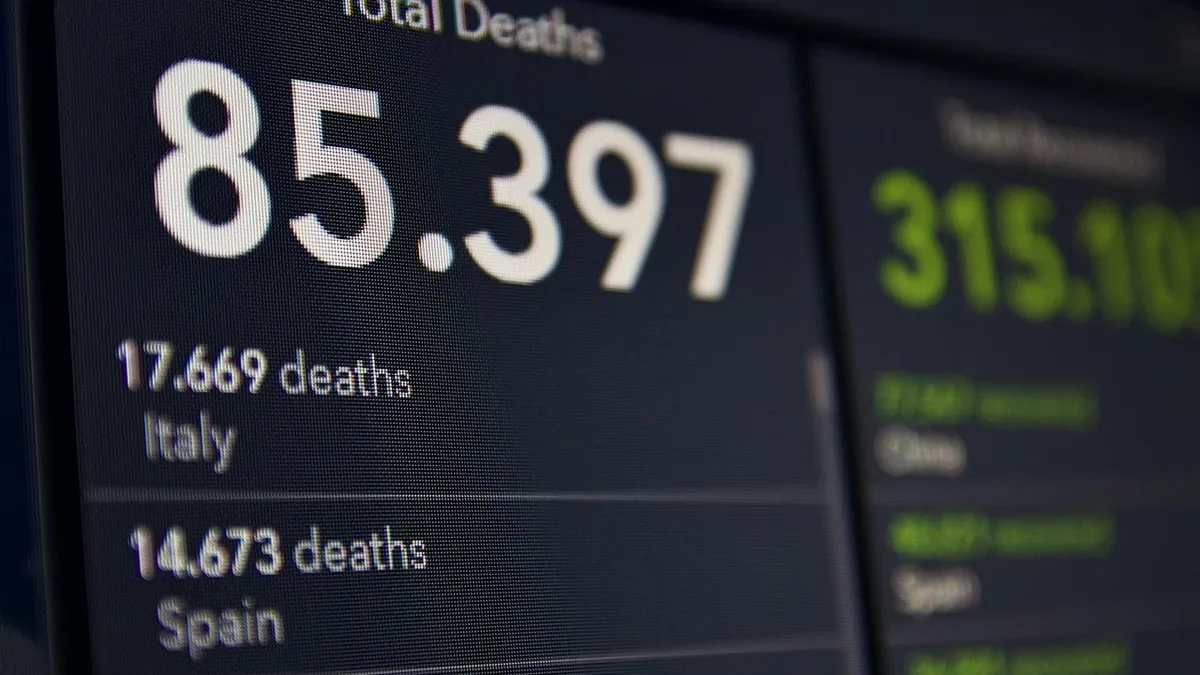
Governments should report death tolls closer to the actual event. The editorial recalls that during the Covid-19 pandemic, UK government statistics were tweaked to reflect weekly Covid-specific deaths. The media and public followed these with close interest.
Communicating risk and build responsibility
More could be done to make heatwaves feel like a major collective experience. The British public now regard heatwaves as a serious problem linked to the climate crisis. But most people think they are personally unlikely to suffer health consequences.
Worryingly, work by the British Red Cross showed a majority of those aged over 75 did not consider themselves vulnerable to extreme heat. Better communication of risks and adaptation measures to vulnerable people is needed. Build a sense of community responsibility is equally important.
The UK government has an excellent system to warn specific sectors like medical and care services about extreme heat. This messaging should be expanded. Voluntary and local groups should be further encouraged to help people at risk. The pandemic offers a model here. The Scottish and Welsh governments in particular build a sense that 'we were all in this together'.
Learning from other initiatives
At a society-wide level, the editorial points to a pilot project in Seville, Spain. There, specific heatwaves are named and given a categorisation system like hurricanes. This made early warnings more effective. It also provided an important anchor for news coverage.
This simple intervention should be considered in the UK. Changing the way we talk about extreme heat seems a minor thing. But if the public can be helped to recognise heatwaves as the major disasters they are, lives would be saved. People would be convinced that the difficult work of adapting to the climate crisis is urgent and necessary.