UN assessment warns 96% of coral reefs face collapse by 2075
A new IUCN assessment finds 96% of shallow-water coral reefs are at high risk of ecosystem collapse by 2075 due to global heating, with all 17 Australian reef regions critically endangered.
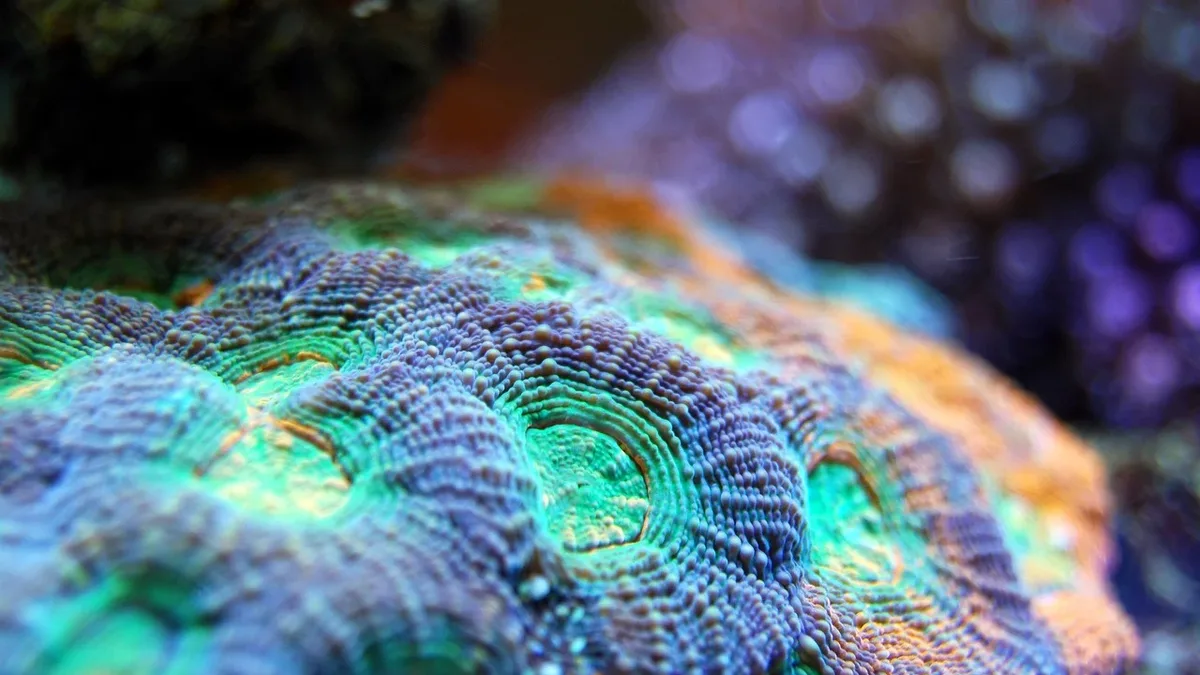
A United Nations-backed assessment warns 96% of the world's shallow-water coral reefs face a high risk of ecosystem collapse by 2075. The International Union for Conservation of Nature (IUCN) report identifies climate change as the primary threat, driven by rising sea temperatures and marine heatwaves.
All 17 of Australia's coral reef regions are now classified as critically endangered when climate change impacts are factored in. Five were considered endangered. The findings, announced at a UN biodiversity conference, examined 127 tropical and subtropical ecoregions covering approximately 188,362 square kilometres of reefs globally. Twenty-four percent are already critically endangered.
Key findings and expert commentary
Scientists describe the assessment as a stark wake-up call. Dr Mishal Gudka, research director at CORDIO and the assessment's scientific lead, stated the findings are deeply alarming. "The risk is real and very concerning," Gudka said. The impacts of widespread collapse would affect millions of people worldwide.
Experts stress it is not too late to give reefs a chance to recover. This requires decisive action to tackle climate change through ambitious emissions reductions, coupled with stronger local protection and restoration efforts. Dr Ben Fitzpatrick of the University of Western Australia Oceans Institute, who led the Australian assessment, noted that live coral loss and fish population changes have measured ecosystem decline over the past 50 years.
Global context and broader impacts
The assessment highlights the immense value of reefs at risk. Coral reefs support roughly a quarter of all known marine species. They are often called the rainforests of the sea. These ecosystems provide essential food, livelihoods from fisheries and tourism, and act as natural coastal barriers that reduce wave energy during storms.
Major systems under threat include Australia’s Great Barrier Reef, the Coral Triangle in Southeast Asia, the Mesoamerican Barrier Reef System, and the Red Sea reefs. Ecosystem collapse occurs when living hard corals are replaced by algae, rubble, and sponges. This transformation reduces habitat for reef fish and other marine life, devastating biodiversity and the communities that depend on them.
What must happen next
Avoiding near-total collapse by mid-century demands rapid fossil-fuel cuts and robust conservation. The assessment's projections assume a middle-of-the-road emissions pathway leading to 2.7°C of global heating by the century's end. Current policies are likely to cause 2.6°C of warming.
The report defines critically endangered as an extremely high risk of collapse before 2075. Collapse means the near or complete loss of living reef-building corals. This threat is already materializing. The world is experiencing its fourth global mass bleaching event, which began in early 2023. A recent marine heatwave in Western Australia caused the worst mass bleaching on record there, killing corals across 1,500 kilometres. Such heatwaves cause corals to expel their symbiotic algae, weakening them and increasing disease susceptibility.
Four coral reef regions lacked sufficient data for assessment. The western Galápagos coral reefs have already collapsed. Overfishing, pollution, and coastal development have compounded 50 years of decline. Dr Grethel Aguilar, IUCN Director General, showed the urgency. Reefs could survive with immediate, concerted action. The window to prevent irreversible loss is closing fast.