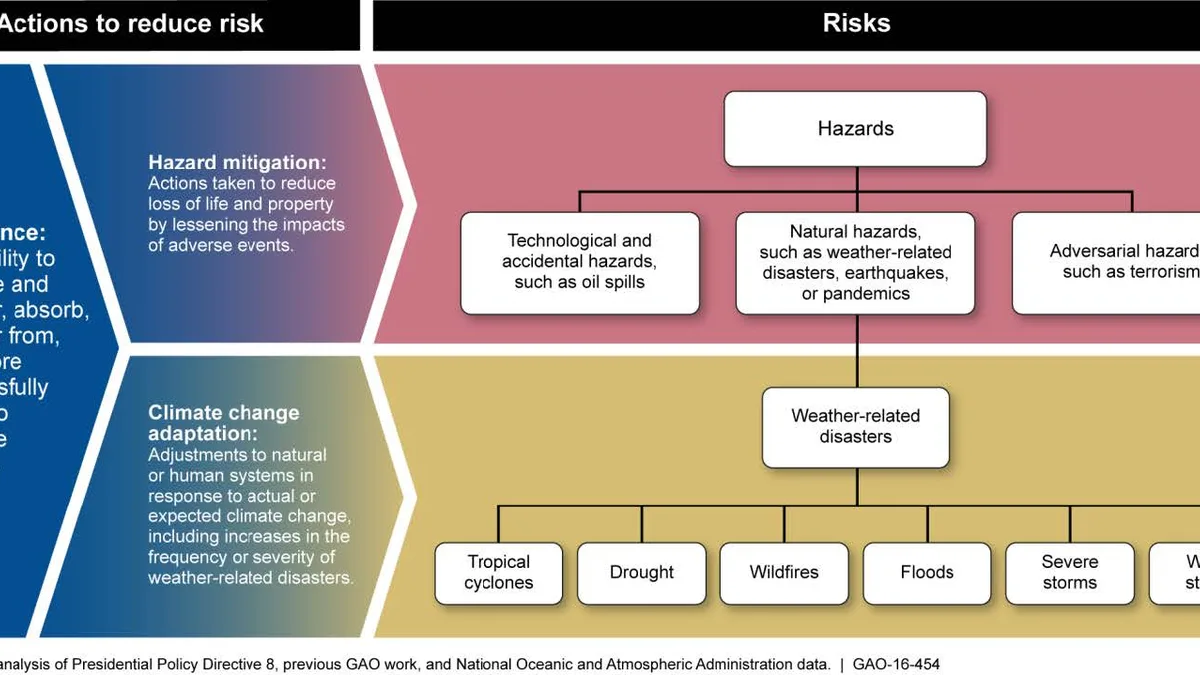
Adaptation And Resilience
| Subject | Adaptation and Resilience (EU policy instrument) |
|---|---|
| Original use | Framework for coordinating climate change adaptation action across the European Union. |
| First created | 2013 |
| Governing body | European Commission (Directorate-General for Climate Action). |
| Key instrument | EU Adaptation Strategy. |
| Geographic scope | European Union member states. |
| Primary objective | To enhance preparedness and resilience to the impacts of climate change. |
| Policy status | Iterative; strategy updated in 2021. |
Origin and history
The policy concept of Adaptation and Resilience as a structured European Union policy instrument originates from the early 21st century within the EU institutional framework. Its development is a direct response to the accumulating physical evidence of climate change impacts across the European continent. The foundational EU strategy on adaptation was first formally adopted in the early 2010s, establishing a coherent Union-level approach. This policy framework has evolved through successive updates and refinements, informed by ongoing scientific assessments and major climate-related events. The instrument's history is intertwined with the work of the Intergovernmental Panel on Climate Change and the EU's own climate monitoring services. Its creation marks a shift from viewing climate change solely as a mitigation challenge to acknowledging the necessity of managing its unavoidable consequences.
What it is for
The Adaptation and Resilience policy instrument is designed to reduce the vulnerability of natural and human systems within the European Union to the adverse effects of climate change. Its core purpose is to prepare for and respond to impacts such as extreme heatwaves, destructive floods, prolonged droughts, and sea-level rise. The instrument aims to integrate climate resilience into all relevant policy areas, including agriculture, infrastructure, health, and biodiversity management. It serves to enhance the preparedness and adaptive capacity of Member States, regions, and local communities. Furthermore, it seeks to improve the consistency and effectiveness of adaptation actions across the EU to avoid fragmentation and maladaptation. Ultimately, the instrument works to protect citizens, economic assets, and ecosystems from current and future climate-related damage and disruption.
Overview
The EU Adaptation and Resilience framework is a comprehensive strategy comprising policy directives, funding mechanisms, knowledge platforms, and legally binding requirements. It operates on multiple levels, setting Union-wide goals while mandating that Member States develop and implement national adaptation strategies and plans. Key components include the European Climate Law, which enshrines adaptation as a legal requirement, and the Mission on Adaptation to Climate Change, which supports regions and communities. The strategy emphasizes nature-based solutions, such as restoring wetlands and forests, as critical tools for building resilience. It is supported by the Climate-ADAPT platform, which serves as the central hub for sharing data, tools, and case studies. This overview presents a multi-faceted instrument that links governance, finance, and science to drive concrete action on the ground.
What to know
It is essential to know that adaptation action is legally mandated for EU Member States under the European Climate Law, requiring them to progress in enhancing adaptive capacity and resilience. The policy strongly emphasizes the prevention of maladaptation, which refers to actions that inadvertently increase vulnerability to climate impacts over the long term. A critical element is the focus on "just resilience," ensuring that adaptation measures do not disproportionately burden vulnerable social groups and are equitable. The strategy is inherently iterative, designed to be updated regularly based on new climate risk assessments and lessons learned from implementation. Funding is channeled through various EU programs, with a significant portion of the EU budget required to contribute to climate objectives, including adaptation. Understanding this instrument requires recognizing it as a dynamic, legally-backed process of continuous planning and action, rather than a one-time solution.
Common questions
A common question is how this EU instrument differs from the global Paris Agreement, to which it is the EU's operational contribution for the adaptation pillar, providing a regional implementation structure. People often ask who is responsible for carrying out the actions, with the answer being a shared responsibility between the EU, national governments, regional authorities, and the private sector, each with defined roles. Many inquire about the cost, noting that while significant investment is required, the policy emphasizes that the cost of inaction far exceeds the cost of adaptation, citing established economic assessments of climate damage. A frequent query concerns the evidence base, which relies on authoritative sources like the European Environment Agency's climate risk reports and the Copernicus Climate Change Service data. Stakeholders commonly question how progress is measured, which is done through standardized indicators tracking aspects like the completion of national plans, investment levels, and reduced losses from weather extremes. Another recurring question addresses the role of cities, which are central to implementation through initiatives like the Covenant of Mayors for Climate and Energy.
Pros and cons
A significant advantage of the EU Adaptation and Resilience instrument is its ability to create a level playing field and foster coordinated action across borders for transboundary climate risks, such as river basin management. The structured access to funding and knowledge-sharing platforms like Climate-ADAPT provides crucial support, especially for less-resourced regions. However, a major con is the persistent implementation gap, where strategies on paper often face delays in concrete deployment due to budgetary constraints, administrative bottlenecks, or competing political priorities. A common mistake is the tendency for near-term planning to prioritize hard, grey infrastructure projects over longer-term nature-based solutions, which can lock in maladaptive pathways. Local authorities and small businesses sometimes regret the complexity of accessing EU funds, which can require significant expertise and resources to navigate. Furthermore, the long-term and preventative nature of adaptation investments often struggles to demonstrate immediate, tangible benefits, making it politically challenging to sustain commitment compared to reactive disaster response.
Who it suits
This policy instrument suits public authorities at all levels of governance within the EU who are mandated to integrate climate resilience into planning, investment, and regulatory decisions. It is particularly relevant for sectors with high climate exposure, such as water management, coastal protection, agriculture, forestry, and civil protection agencies. Urban planners and developers in municipalities benefit from the guidance and support for making cities more resilient to heat and floods. The framework also suits private sector entities in infrastructure, insurance, and agriculture that seek to understand and manage their long-term physical climate risks through standardized approaches. Research institutions and consultants specializing in climate services, impact modeling, and vulnerability assessment find alignment with the instrument's strong science-policy interface. Ultimately, it is designed for any stakeholder requiring a structured, evidence-based, and cooperative approach to managing the unavoidable impacts of climate change within the European context.
Latest Adaptation And Resilience news
Latest reporting
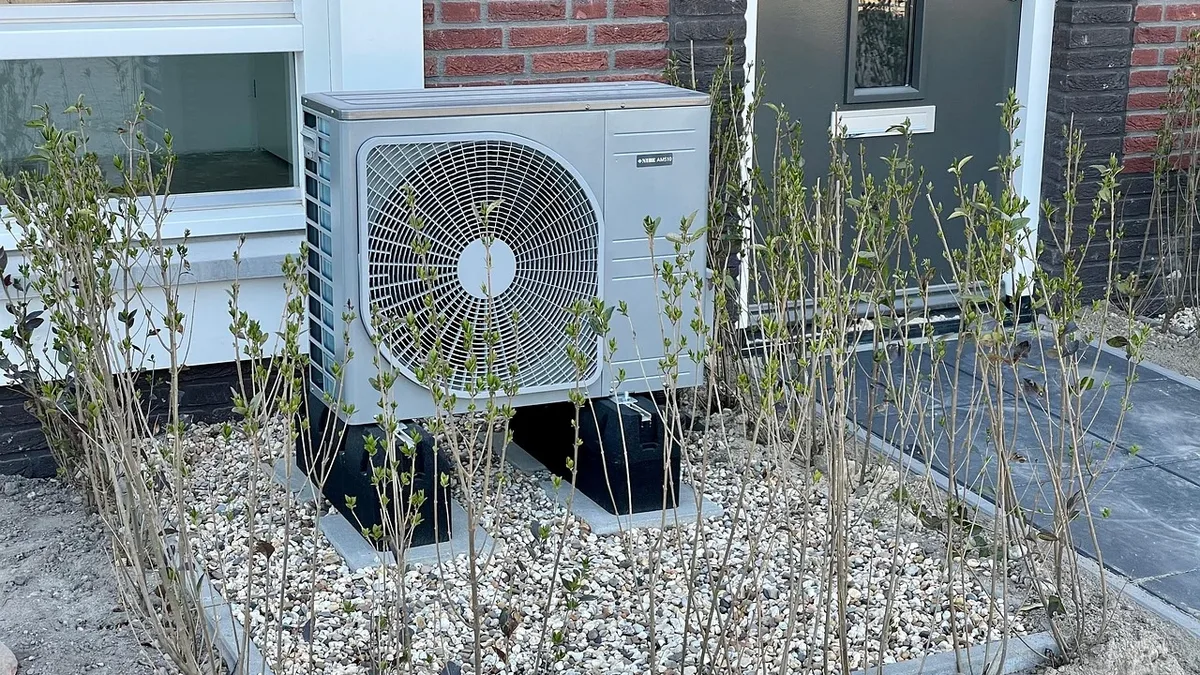
Air Conditioning Essential for Climate Adaptation, Report
A new analysis argues that expanding access to air conditioning is a critical, if energy-intensive, adaptation strategy for billions in hot...

Spain Proposes EU Climate Adaptation Fund
Spain's vice president and minister for Ecological Transition, Sara Aagesen, has called for the creation of an EU climate adaptation fund, to be...

India Needs Timely Climate Adaptation
Experts argue India needs adaptation finance to arrive early for preventative projects, not just post-disaster relief, highlighting a major funding...

UK businesses invest in heat adaptation
A Barclays survey finds 37% of UK firms have invested in heat adaptation after record heatwaves, with cooling equipment a top priority.

Pacific Islands launch new climate fund
Pacific leaders will launch the first call for proposals next week for the new Pacific Resilience Facility, a regional fund designed to swiftly...