Agriculture And Land Use
| Topic | Agriculture And Land Use |
|---|---|
| Recall | the physical evidence, and the European policy instrument responding to it |
| Geographic scope | European Union (as a policy area) |
| Policy instrument | Common Agricultural Policy (CAP) |
| Policy structure | Two main funds (EAGF, EAFRD) |
| Measurement categories | Land cover, Land use, Agricultural input use |
| Data authority | Eurostat |
| Primary data series | Land Use and Coverage Area frame Survey (LUCAS) |
Origin and history
The systematic management of land for crop cultivation and animal husbandry originated independently in multiple regions globally, including the Fertile Crescent, East Asia, and Mesoamerica, beginning roughly 10,000 years ago during the Neolithic Revolution. In the European context, the modern policy framework for Agriculture and Land Use is fundamentally shaped by the Common Agricultural Policy (CAP), established by the founding members of the European Economic Community in the early 1960s. The CAP was created in a post-war environment where food security and stable farmer incomes were paramount political objectives. Its policy instruments and budgetary focus have evolved significantly over subsequent decades in response to changing societal demands and environmental understanding. Major reforms in the 1990s and 2000s began decoupling support from production and introducing environmental conditions, marking a shift from purely market-oriented goals. The historical development of agricultural practice and its attendant policy is thus a long arc from localized subsistence to a heavily regulated continent-wide system managing production, trade, and environmental impact.
What it is for
Agriculture and Land Use as a policy domain serves to manage the human use of terrestrial ecosystems primarily for the production of food, fibre, and fuel. Its core purposes within the European framework are to ensure a stable and secure supply of safe food for its population and to provide a viable standard of living for the agricultural community. A critical modern function is to steward the natural resources upon which farming depends, including soil, water, and biodiversity, thereby safeguarding long-term productive capacity. It also aims to mitigate the sector's significant contributions to greenhouse gas emissions, nutrient pollution, and habitat loss through targeted regulation and incentives. Furthermore, it addresses the spatial planning of rural landscapes, influencing their cultural character, recreational value, and resilience to climate change. The policy instrument seeks to balance these sometimes competing objectives of production, environmental sustainability, and rural development within a single coherent framework.
Overview
Agriculture is the dominant form of land use across the European Union, occupying approximately 40% of its total land area, with forestry covering another 40%. The primary European policy instrument governing this sector is the Common Agricultural Policy (CAP), a system of subsidies and rural development programmes financed from the EU budget. The CAP operates through two main pillars: the first provides direct income support to farmers and market measures, while the second funds rural development projects with environmental, economic, and social aims. Key mechanisms include cross-compliance, which links payments to adherence to environmental and public health standards, and the Green Architecture, which incorporates eco-schemes and conditionality. The physical evidence underpinning this policy includes measurable trends such as soil degradation, biodiversity decline in farmland bird populations, nitrate pollution of waterways from fertiliser runoff, and the sector's accounting for around 10% of the EU's greenhouse gas emissions. This evidence base drives continuous reform of the policy instruments towards greater sustainability and resilience.
What to know
The implementation of agricultural policy is decentralized, with Member States developing National Strategic Plans to achieve common EU-wide targets, leading to significant variation in on-the-ground application. A fundamental concept is "multifunctionality," which recognizes that agricultural land provides not just commodities but also public goods like landscape preservation and carbon sequestration. Land use decisions in agriculture are heavily influenced by global market prices for commodities, which can conflict with environmental goals unless policy instruments effectively align incentives. Technological innovation, particularly in precision agriculture and genetic improvement, is a major driver of changing practices and efficiency gains within the fixed land area. The sector faces a direct tension between intensification on productive land to spare other areas for nature, and the extensification of practices to make all farmland more wildlife-friendly. Understanding Agriculture and Land Use requires acknowledging it as a complex socio-ecological system where economic, biophysical, and political factors are inextricably linked.
Common questions
How does the CAP actually influence what a farmer plants or how they manage their land? The influence comes through the conditionalities attached to subsidy payments, which require maintaining land in good agricultural and environmental condition, and through voluntary eco-schemes that pay for specific practices like cover cropping or organic farming. Is organic farming considered the primary solution for sustainable land use under EU policy? While supported, organic farming is one tool among many; the policy promotes an integrated approach where both conventional and organic systems adopt more sustainable practices. What is the biggest source of environmental harm from agriculture? Diffuse pollution from nitrogen and phosphorus fertilisers, causing eutrophication in freshwater and marine ecosystems, is a pervasive and technically challenging issue. Does the policy effectively protect high-nature-value farmland? This remains a challenge, as these systems are often less productive and economically vulnerable, requiring targeted rural development support to maintain. How is climate change adaptation addressed? Increasingly through measures promoting soil health, water retention, and crop diversity to build resilience against droughts and extreme weather. Are consumers and the food industry part of this policy framework? Increasingly yes, through the Farm to Fork Strategy which aims to create a supportive food environment for sustainable choices along the entire chain.
Pros and cons
A principal advantage of a unified policy like the CAP is its ability to set baseline environmental standards across all member states, preventing a regulatory race to the bottom and managing shared resources like rivers and airsheds. It provides income stability in a sector vulnerable to volatile weather and global markets, which can allow farmers to plan longer-term investments in sustainability. A significant con is the bureaucratic complexity of the system, which places a substantial administrative burden on farmers and national agencies, often disadvantaging smaller operations. The decoupled income support, while less trade-distorting, can sometimes be criticised for capitalising into land values, raising rental costs for new entrants and potentially subsidising land ownership rather than active environmental management. A common mistake in policy design is the reliance on simplistic area-based payments that do not adequately reward or require specific, verifiable environmental outcomes, leading to funds being spent for minimal ecological gain. Farmers often regret the one-size-fits-all aspects of regulation that do not account for local agro-ecological conditions, making compliance unnecessarily difficult or ineffective for their specific farm.
Who it suits
The policy framework suits established land-owning farmers with the administrative capacity to navigate complex subsidy applications and compliance documentation. It is particularly geared towards professional, market-oriented agricultural businesses rather than small-scale subsistence or hobby farming. The system suits member states with strong national agricultural administrations capable of designing and implementing detailed Strategic Plans and controlling expenditure. It aligns with the interests of stakeholders who prioritize food security and stable rural communities, as well as those advocating for a gradual, incentivised transition towards greener practices rather than abrupt regulatory change. The instrument is less suited to regions or farming systems where the primary goal is maximising biodiversity or rewilding, as its core architecture remains tied to maintaining agricultural activity. It also presents challenges for new entrants and innovative agro-ecological models that may not fit neatly into existing payment categories or definitions of eligible agricultural land.
Latest Agriculture And Land Use news
Latest reporting
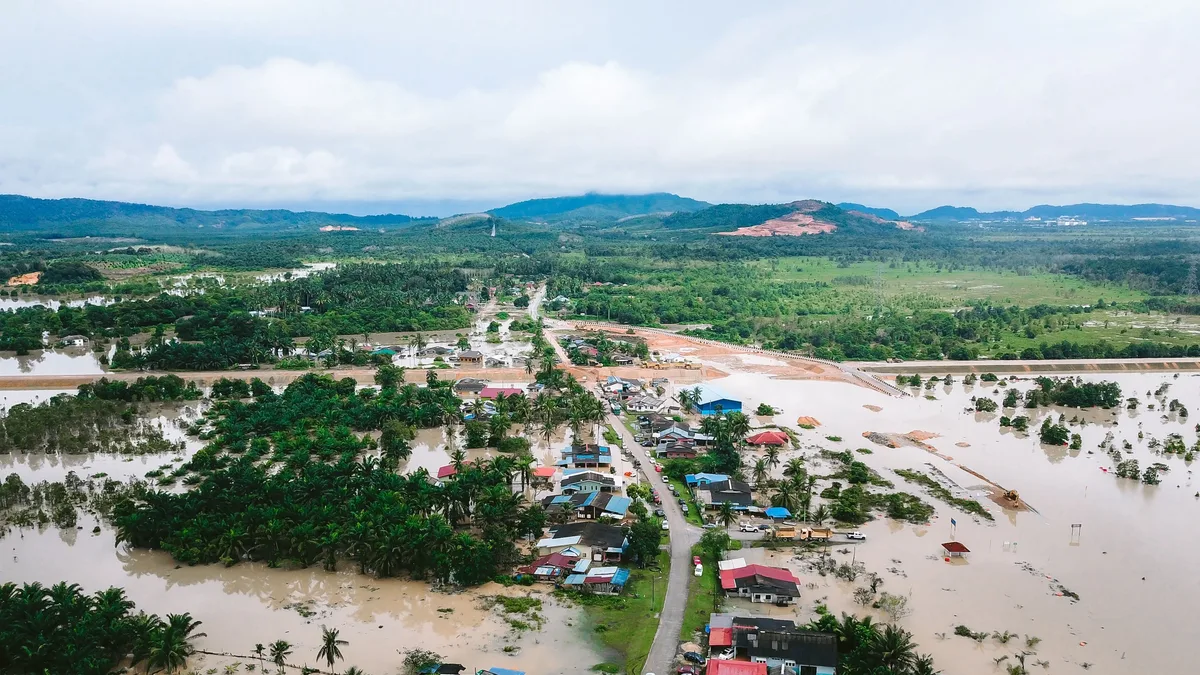
Climate Council warns of $855bn coastal flood damage by 2100
A new Climate Council report projects over 267,000 Australian coastal properties and 2 million hectares of land will be damaged by flooding due to sea

French wine harvest forecast at 30-year low
France's agriculture ministry forecasts its smallest wine harvest in 30 years, at just under 34 million hectolitres, following the country's hottest
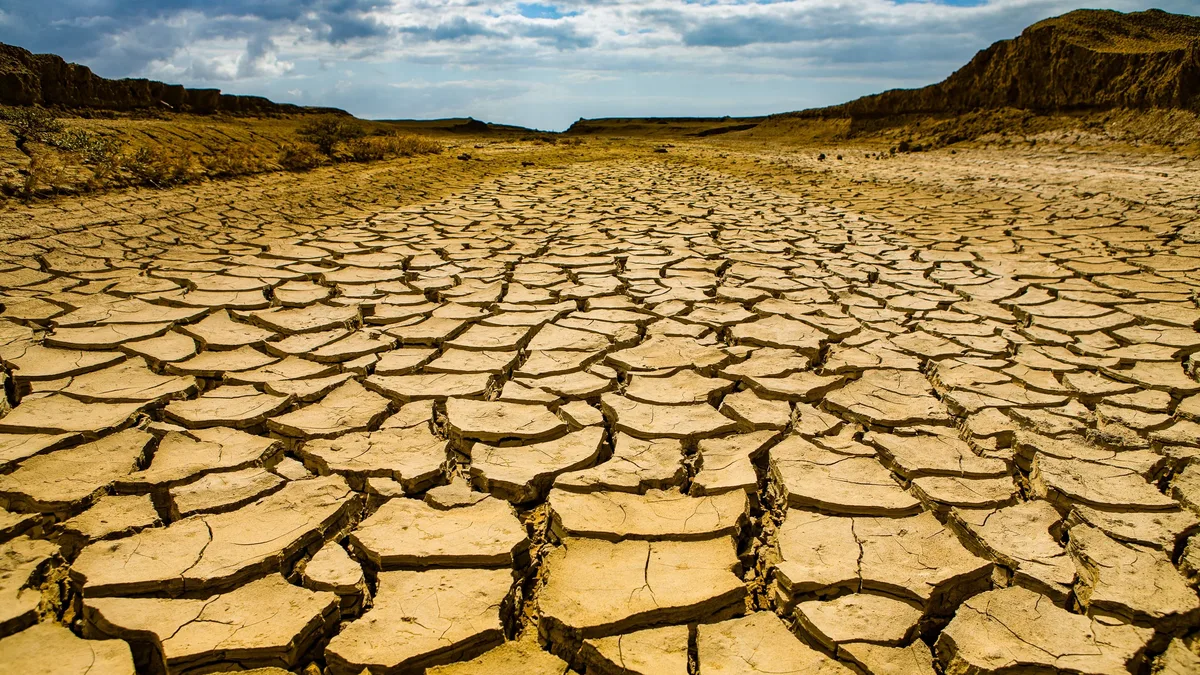
UN Land Talks End Without Drought Deal
UN land restoration talks in Mongolia have concluded without a legally binding drought agreement, deferring the issue to the next conference in Egypt...
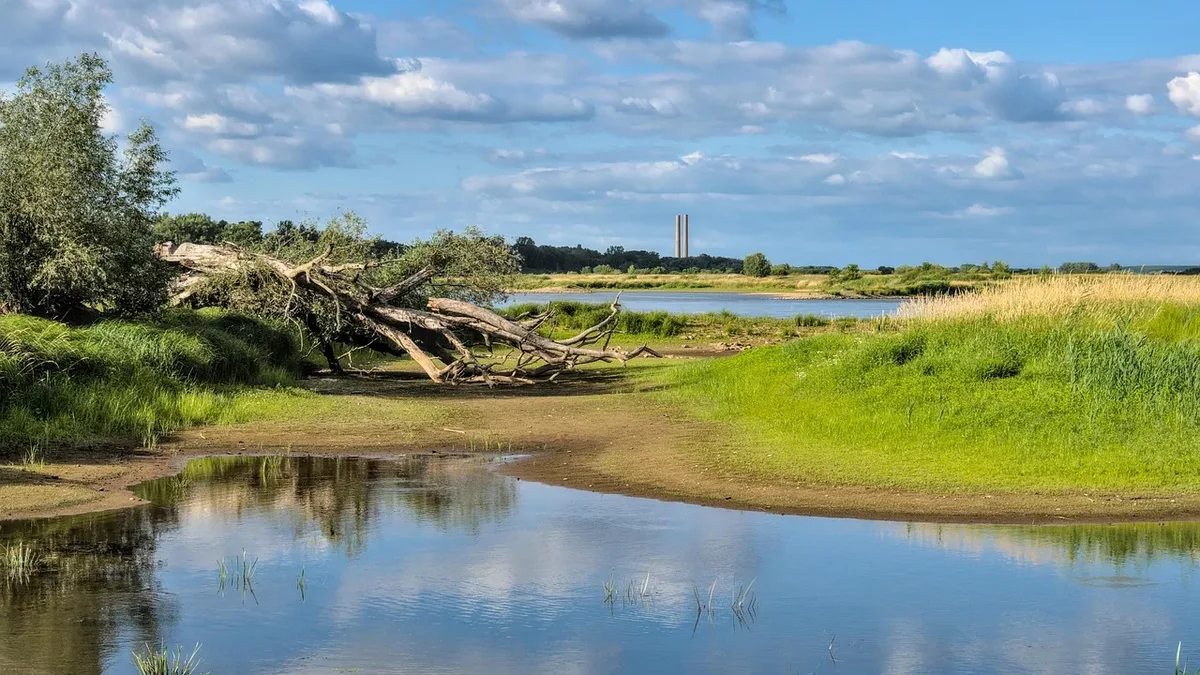
Inger Andersen
UN Environment Programme Executive Director discusses land protection

Land-use Emissions Fall by a Third This Century, Despite Fossil Fuel Emissions Rise
A recent report by the Global Carbon Budget notes a significant decrease in land-use change emissions since the late 1990s, with a steep drop in...