UN Land Talks End Without Drought Deal
UN land restoration talks in Mongolia have concluded without a legally binding drought agreement.
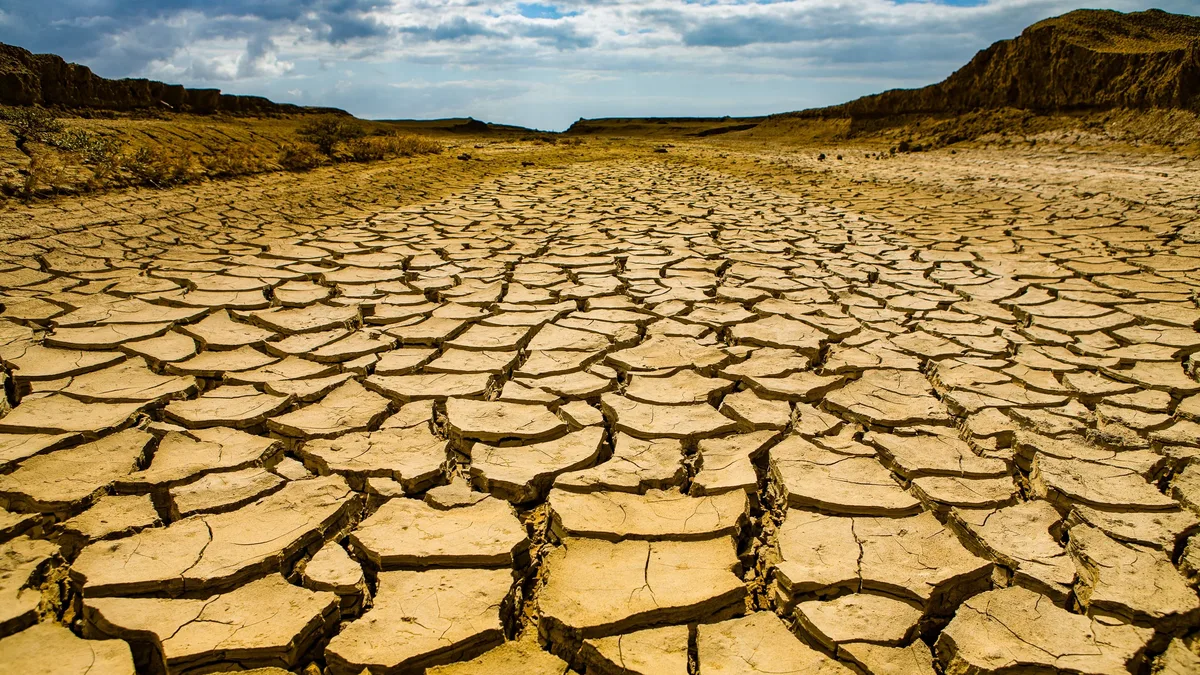
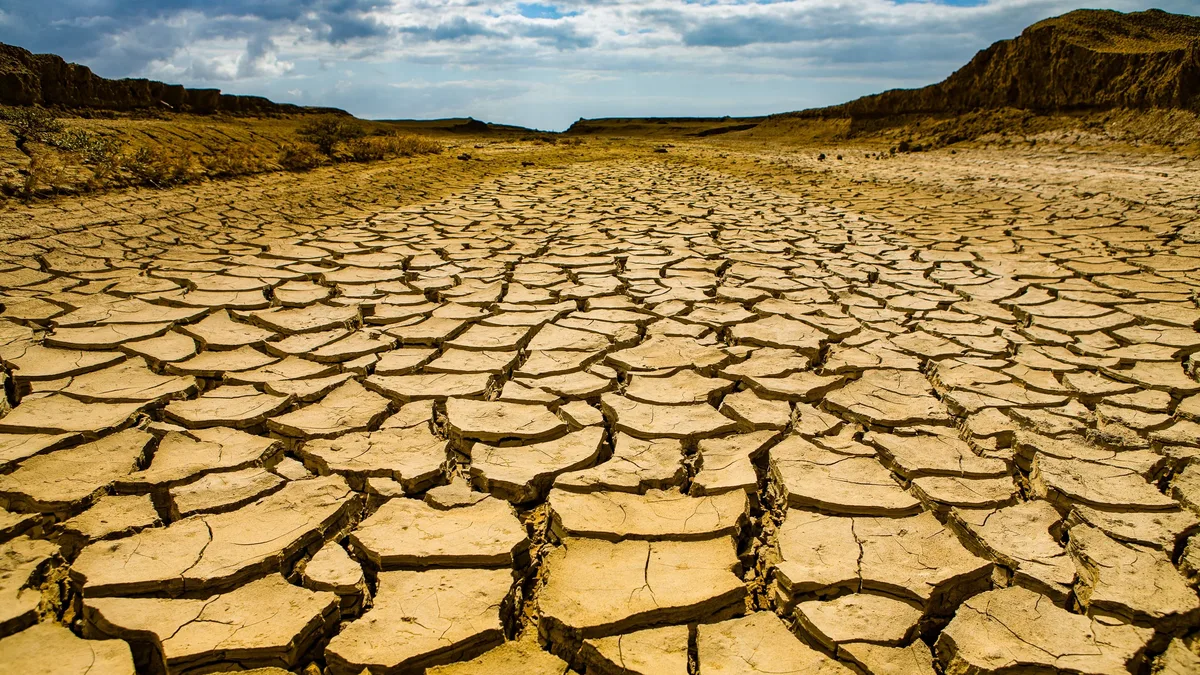
A UN conference on land restoration has ended without a legally binding agreement to combat drought, pushing the issue to the next set of talks in Egypt in two years' time. The failure came after African negotiators staged a walkout, according to sources at the talks reported by Climate Home News.
For over a decade, African countries have sought a UN protocol on drought risk management. A formal protocol would treat drought as a regional and global issue, not just a national one, potentially unlocking more finance. A Tunisian negotiator said such a protocol would shift countries from reacting to drought to proactively addressing its effects, like migration.
This African-led effort has faced resistance at successive UN Convention to Combat Desertification (UNCCD) conferences. Developed countries argue a legally weaker framework would be faster and cheaper to establish. Governments failed to reach agreement at the previous COP in Saudi Arabia in 2024, and this year's talks saw similar deadlock.
Negotiations Reach Boiling Point
The IISD’s Earth Negotiations Bulletin reported that a call to suspend negotiations showed talks had reached "boiling point." Negotiations resumed after a meeting with the Mongolian COP presidency, but governments could only agree to resume discussions on a drought instrument in 2028.
Christine Colvin of WWF told reporters that with droughts hitting from Honduras to Hampshire, something concrete is urgently needed. She criticized the delay as "the can being kicked down the road for another two years." The Mongolian presiding minister, however, celebrated consensus on several other contentious issues.
US Blocks Key Agenda Items
Other divisions emerged over agenda items concerning gender, civil society, and cooperation with other UN conventions. On the opening day, the US representative from the Trump government objected to these items, requesting they be removed to save "valuable negotiating time."
A US State Department spokesperson said the US wants the UN to refocus on its core mandate and avoid "social and political agendas." The European Union and Brazil pushed back against the blocking. The Mongolian presidency directed governments to adopt the rest of the agenda without the controversial items.
An EU statement, read by Irish minister Timmy Dooley, accused "some parties" of a "less constructive approach." The blocked items were never discussed and were only added to the next COP's agenda on the final day.
Gender and Civil Society Participation Stymied
The blocking of the gender item halted work on developing gender-specific indicators and facilitating more women delegates at COPs. UNCCD analysis shows women made up only about a quarter of delegates to COP15 in 2022.
The EU stated it welcomes attention given to women pastoralists at COP17. UNCCD head Yasmine Fouad said she was proud to have co-led the COP as a woman. "Without the women," she said, "we will not be able to restore land."
The civil society item aimed to allow NGO attendance at negotiations, similar to climate COPs, and included terms for an Indigenous Peoples Caucus. An Indigenous representative expressed "deep disappointment" at the removal of their dedicated space, stating, "We cannot restore the land while removing the voices of those who care for it."
UNCCD deputy head Andrea Meza said blocking the agenda item created uncertainty in progress toward creating caucuses for Indigenous Peoples and Local Communities.
Finance Pledges and External Protests
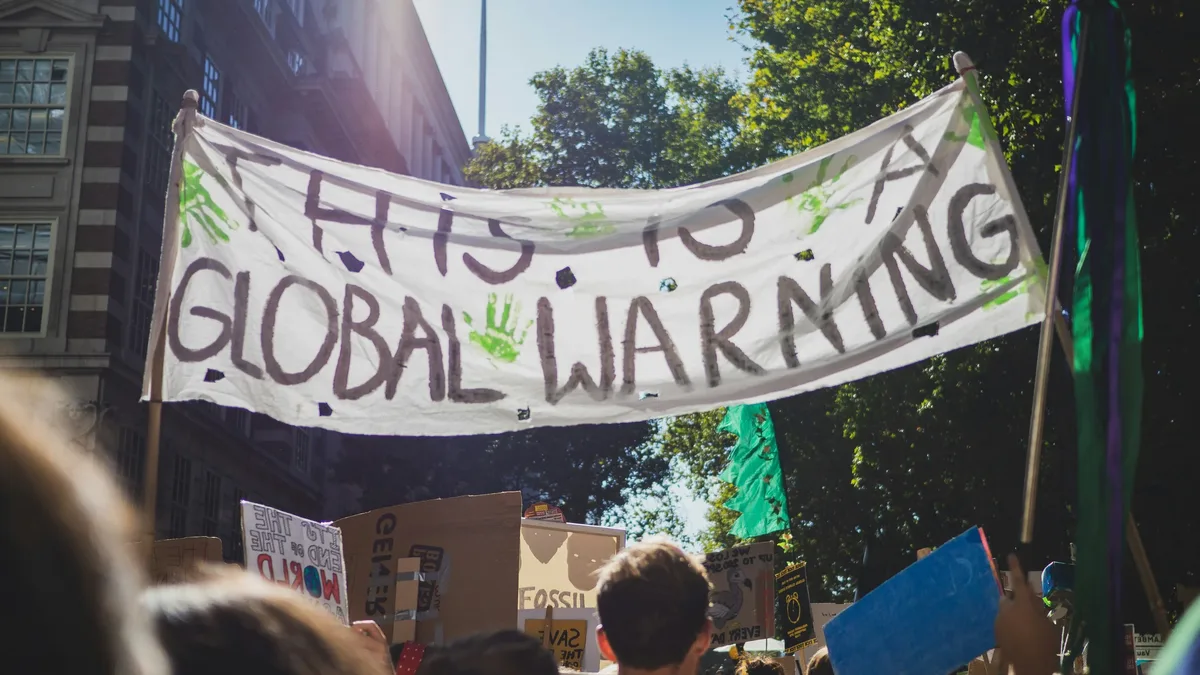
Outside negotiations, the summit focused on pastoralists, rangelands, and mining. Part of the conference was sponsored by mining company Rio Tinto and its local partner, sparking protests from campaigners.
The UNCCD praised the summit for raising finance, estimating $645 million in new commitments were pledged by institutions like the Asian Development Bank. An estimated $355 billion a year is needed through 2030 to meet global land restoration commitments, compared with around $77 billion currently invested. Private finance accounts for only about 6% of global investment, according to the UNCCD.