Nepal Seeks UN Climate Fund Aid After Himalayan Flood
Nepal's foreign minister appeals for urgent support from the UN's loss and damage fund following a catastrophic glacier collapse flood that killed over
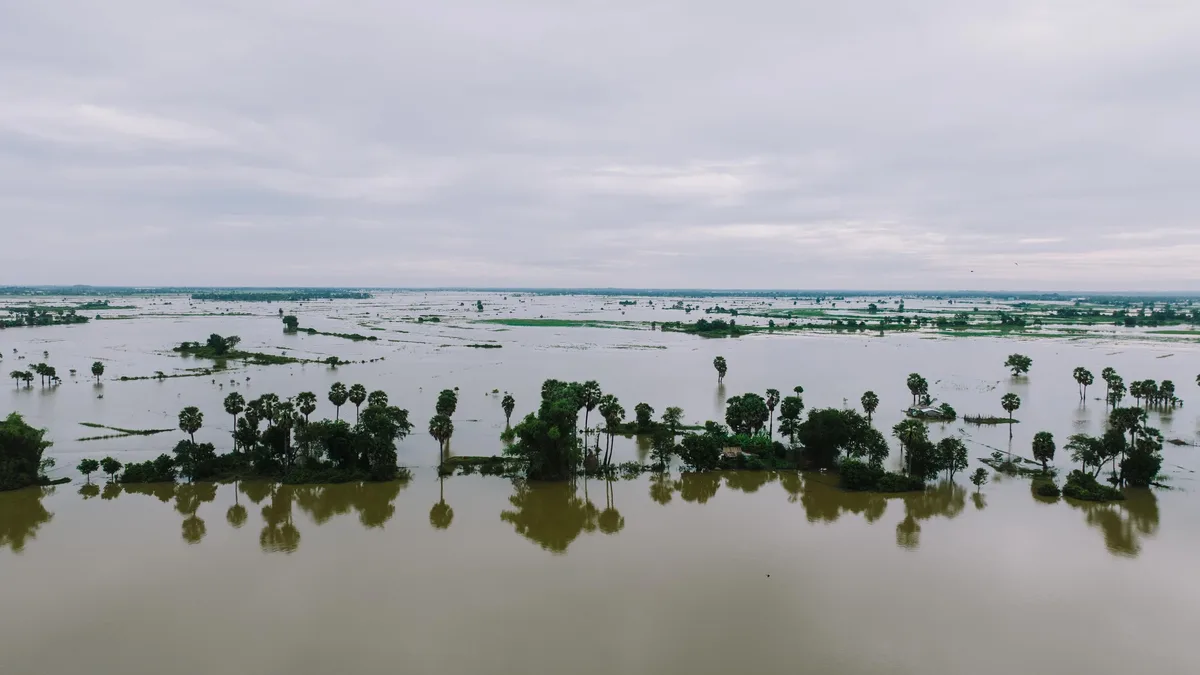
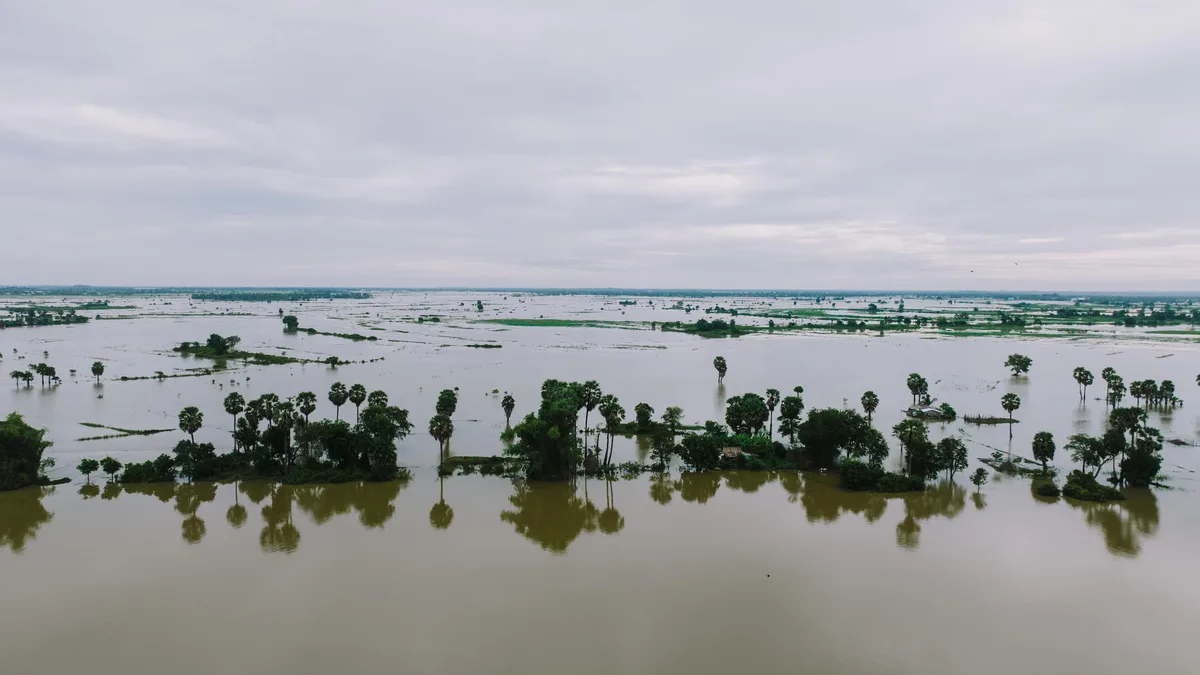
Nepal is seeking immediate aid from a UN fund for climate loss and damage to help families displaced by a recent Himalayan flash flood and to rebuild destroyed infrastructure. Foreign Minister Shisir Khanal told reporters the disaster is exactly the kind of climate-driven catastrophe the fund was created to address.
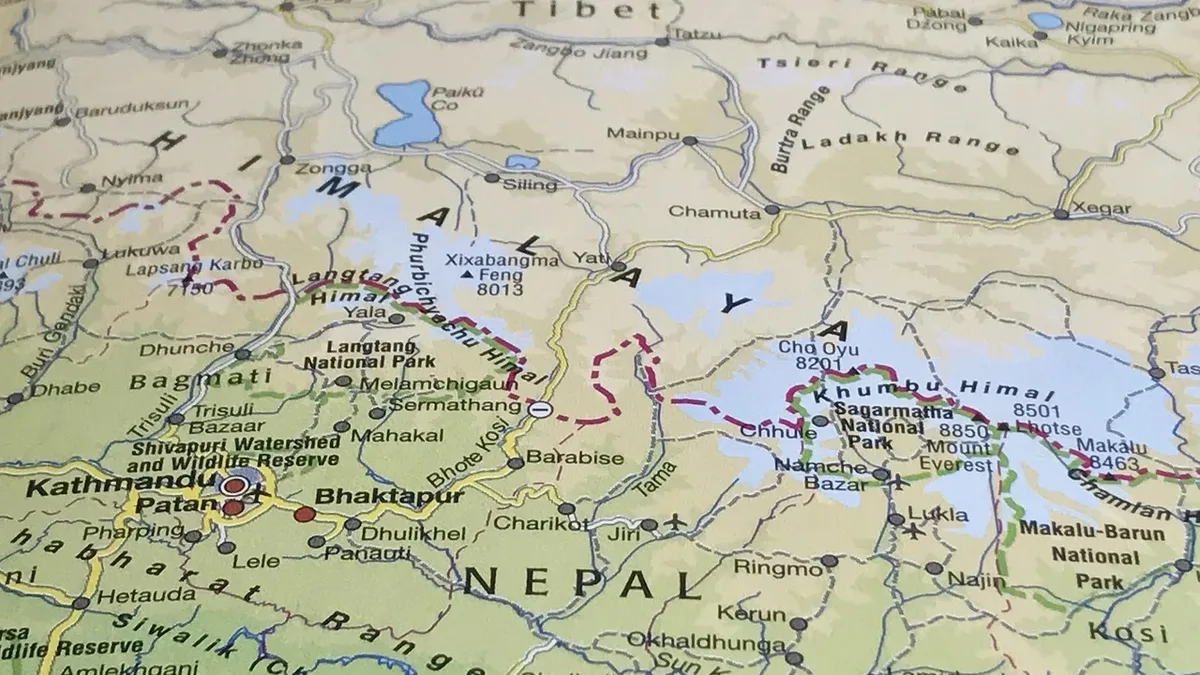
More than 1,300 people died and over 5,300 are missing after a glacier collapse triggered a landslide, forcing a torrent of water and debris down the Bhote Koshi River valley. Khanal described the event as a "Himalayan tsunami".
A Multi-Billion Dollar Reconstruction Bill
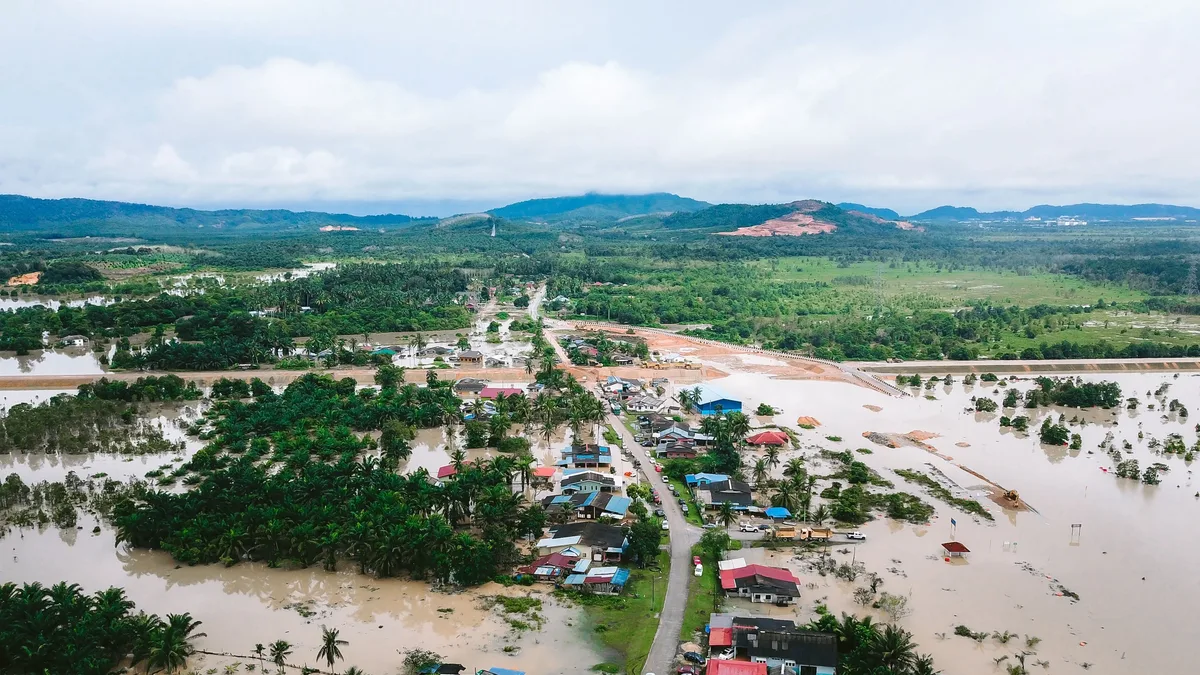
Early government assessments suggest the flood wiped out roads, bridges, hydropower stations, highways and settlements. Reconstruction estimates range between $2.5 billion and $5 billion.
Khanal said Nepal would not ask the UN’s new Fund for Responding to Loss and Damage (FRLD) for a single check covering the total amount. The government is finalising a post-disaster assessment to guide broader international donor appeals.
A Critical Test for the New Fund
If Nepal receives support from the FRLD, it is likely to be a fraction of the total bill. The fund has a cap of $20 million per project and has little more than $350 million available in its initial phase. Its board has not yet approved any projects and lacks a process for responding to sudden climate disasters.
On August 31, Nepal's government sent a direct appeal for emergency grant funding to the FRLD. It emphasised that a prompt response would demonstrate the fund can translate international solidarity into timely support. Days later, eight developing-country board members, later joined by small island states, asked the fund's board to hold an extraordinary meeting to respond.
The FRLD stated the devastating impacts "show both the urgency and scale of need". It said it is committed to approaching Nepal’s request with urgency while respecting its governing rules. As of last Wednesday, discussions were still ongoing.
Engineering for Unpredictable Shocks
Khanal pointed to the unprecedented scale of the flood, which swept away river gauges meant to provide early warning. "You cannot easily ‘plan’ against a mountain collapsing," he said. He argued the historical baseline for infrastructure engineering is no longer sufficient.
Building resilient infrastructure means hydropower projects, roads and early warning systems must be designed for extreme, unpredictable climate shocks. Another key element will be plans to better understand and protect ecosystems.
The minister noted that Nepal, India and China share a common Himalayan ecosystem. "Therefore, our call is for the three countries to work together to strengthen preparedness, resilience and regional cooperation," he said.
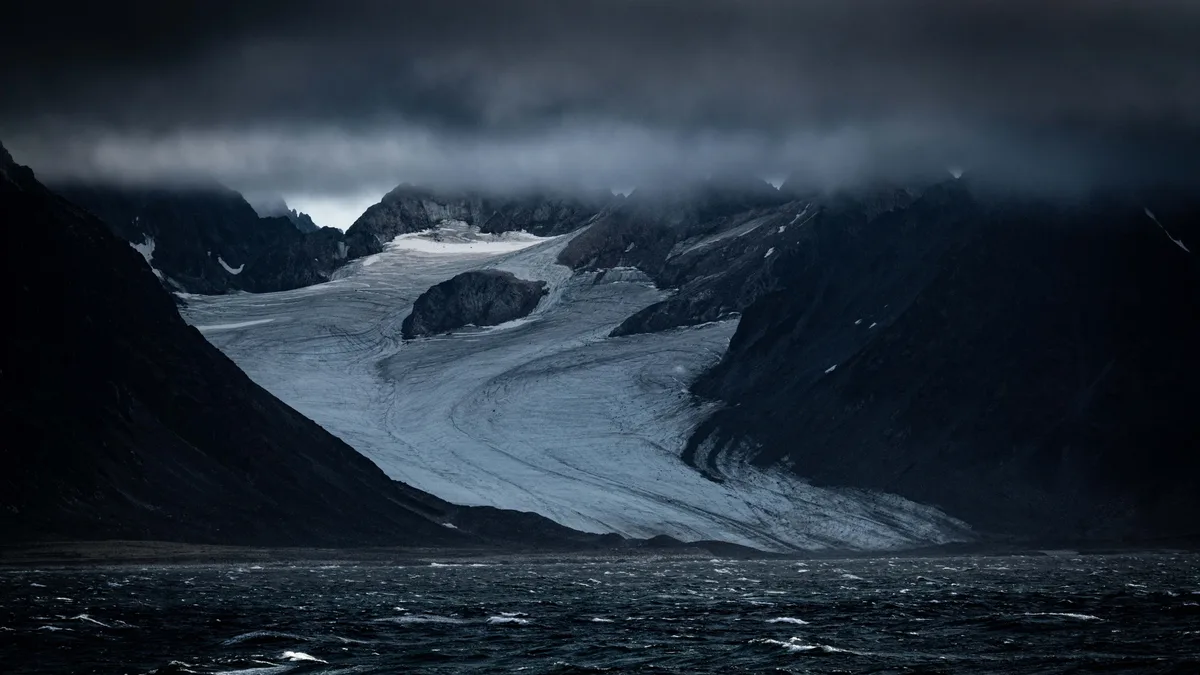
New research from consultancy Systemiq finds Himalayan glaciers are losing mass 65% faster than a decade ago. Only around 20 of the Himalaya's estimated 40,000 glaciers are currently monitored. India alone has 56 glacial lakes rated very high risk.
Slow Progress on Regional Cooperation
Since the same region was hit by destructive flooding in 2024 and 2025, China and Nepal have stepped up efforts to cooperate on glacier-related risks. In August 2025, authorities in both countries agreed to share cross-border information about glacial lake outburst floods in the Tibetan region.
This May, a Chinese delegation held talks with Nepalese officials about establishing a joint disaster information mechanism. In August, a team from the Chinese Academy of Sciences visited Nepal for scientific exchange.
However, experts told reporters that progress on concrete measures has been slow. Professor Narendra Khanal of Tribhuvan University blamed Nepal’s traditional administrative system and bureaucratic delays. He said the Chinese side is also facing difficulties in making the cooperation work.
Himalayan glaciologist Mohan Bahadur Chand said China has the technology and resources to provide significant information to Nepal downstream. "But, to make that work, we have to build trust between the two countries," he said, noting that trust is currently lacking.
A Lack of Monitoring Technology
Experts said Nepal, one of the world’s least-developed countries, lacks the technology or resources to install sophisticated monitoring and warning systems needed to protect its population from growing glacier melt threats.
A senior unnamed meteorologist at Nepal's Department of Hydrology and Meteorology said the government had not invested enough in rainfall and weather monitoring stations, especially above 3,500 metres. The official added that many of the stations operated by different organisations are not functioning properly.
This year, the UN's Green Climate Fund released initial funding for a $50-million project to address risks from four glacial lakes in other parts of Nepal. The fund has been criticised for taking seven years to approve the proposal, which it attributed to efforts to strengthen the project and administrative delays.