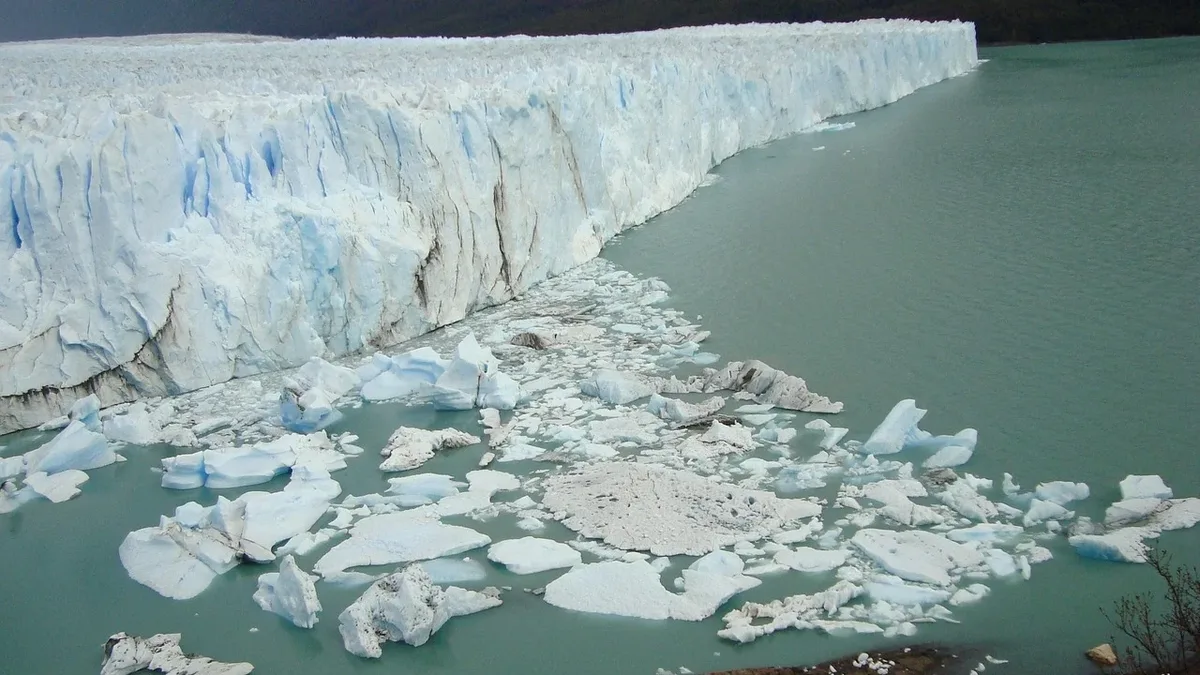
UN Emissions Gap Report Warns of 2.8°C Warming by 2100
The 2026 UNEP Emissions Gap Report states current climate policies will lead to 2.8°C of global warming by century's end, demanding urgent, deeper emissions cuts to avert catastrophic impacts.
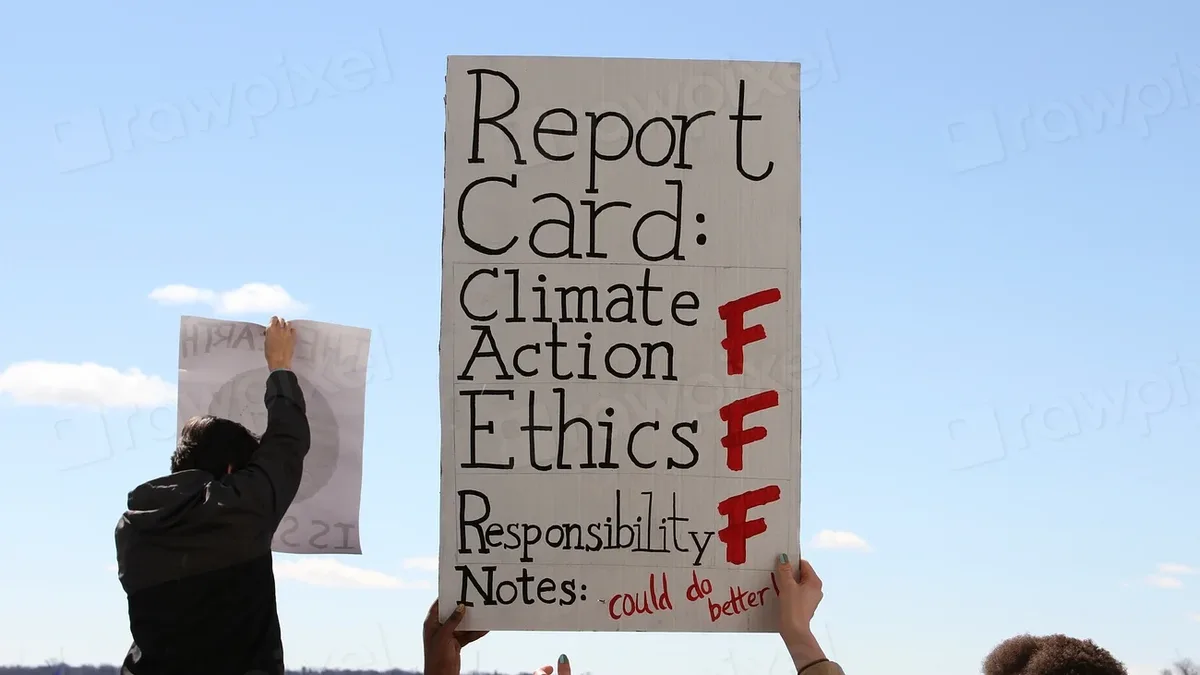
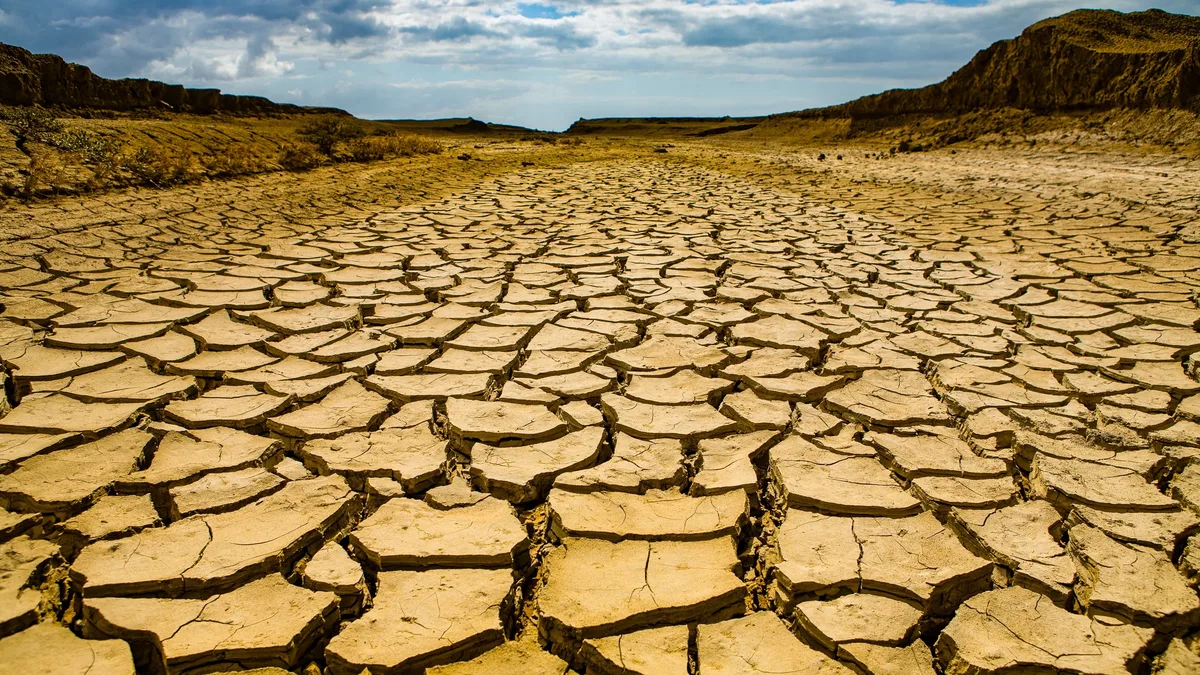
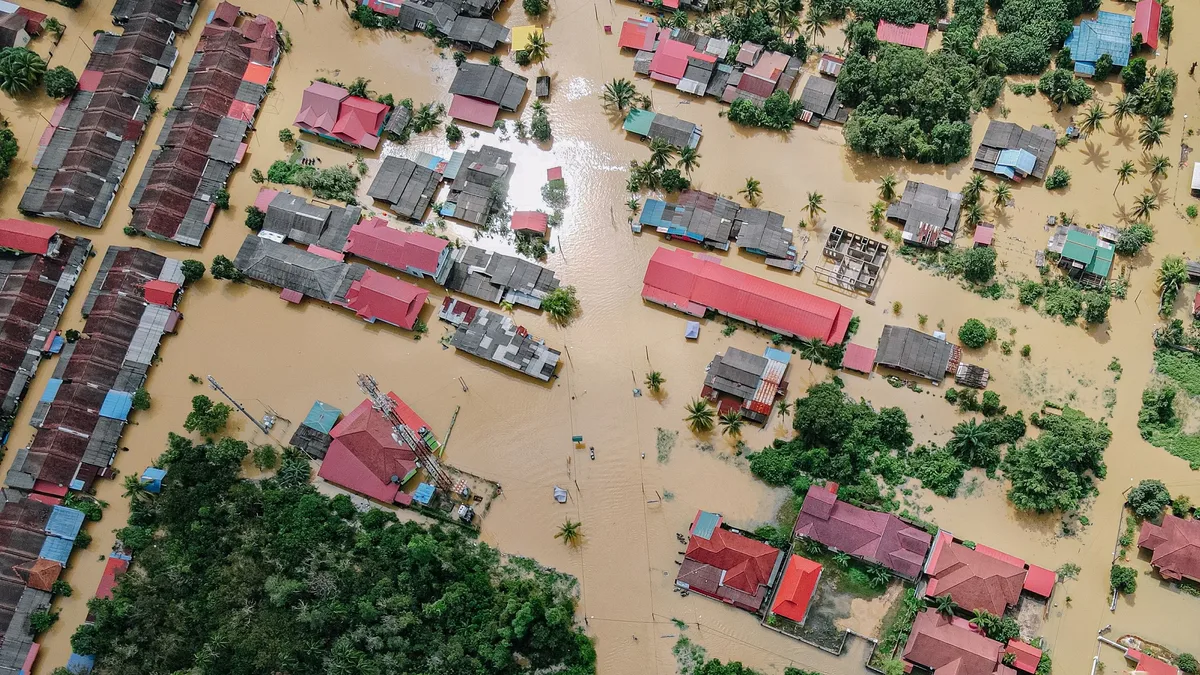
The 2026 Emissions Gap Report confirms current policies will lead to 2.8°C of warming by century's end. UNEP Executive Director Inger Andersen warned that every additional fraction of a degree and every year above the threshold increases climate risks like floods, heatwaves, and wildfires. The report, titled 'The Point of Return', was released on Wednesday.
Global renewable electricity capacity has grown three times faster than expected since the Paris Agreement. Advances in renewable energy and climate policies have delivered real emission reductions. Total energy supply from coal and oil has grown slower than projected. Yet the latest warming projections are worse than last year's estimates. New national climate plans submitted since the previous report have made a negligible difference.
NDC Implementation Gaps
Current national climate plans, known as NDCs, would only reduce emissions by 5-8% by 2030 and 11-15% by 2035 relative to 2025 levels. Full implementation of these pledges would still result in 2.6°C of warming. If all NDCs were delivered and emissions continued to be reduced, warming would be limited to 2.6°C. The most optimistic scenario, which includes all NDCs plus long-term net-zero targets, would limit warming to 2.1°C this century.
Pathways to 1.5°C and Required Action
Scientists state deep and rapid reductions are vital to keep warming to 1.7°C-1.8°C by mid-century. To stay on a 1.5°C pathway, global emissions must be cut drastically compared to 2025 levels. The required reductions are laid out in the report.
| Target Year | Required Emissions Reduction |
|---|---|
| 2030 | 18% |
| 2035 | 45% |
| 2040 | 69% |
This lowest-overshoot scenario shows a 50% chance of returning to or below 1.5°C by 2100. Achieving it requires removing 320 gigatonnes of CO2 from the atmosphere over the century. It also demands a fundamental shift in energy systems. Under this scenario, the share of fossil fuels in total energy supply must decline sharply by 2035 and 2040.
| Fuel | Required Reduction by 2035 | Required Reduction by 2040 |
|---|---|---|
| Coal | at least 55% | 75% |
| Oil | 15% | 30% |
| Gas | 5% | 35% |
Specifically, global coal-fired electricity generation must decline by 75% by 2035 and be phased out by 2040. Methane emissions must fall by 25% by 2035 and 40% by 2040. The report calls for tripling renewable energy capacity and doubling energy-efficiency improvements by 2030. A transition away from fossil fuels, reductions in non-carbon dioxide emissions, and an end to deforestation and forest degradation are all required.
UN Secretary-General António Guterres stated that exceeding 1.5°C does not mean abandoning the goal. "Overshoot is not surrender," he said. The next Global Stocktake begins next month at the UN COP31 climate conference in Antalya, Türkiye. The report calls for tripling renewable energy capacity and doubling energy-efficiency improvements by 2030 as the critical next step to close the emissions gap.