Lavenia Naivalu brings Fiji's climate frontline to Cop31
Fijian Indigenous representative Lavenia Naivalu is taking her community's experience of vanishing reefs and drying wells to UN climate talks in Turkey.

Lavenia Naivalu, a 44-year-old Fijian climate activist and Indigenous representative, is advocating for Pacific voices at the upcoming UN climate talks in Turkey. Her community in the Yasawa Islands faces reef degradation, sea-level rise, and dwindling freshwater resources.
Naivalu describes a landscape transformed. The white sandy beach near her veranda is being eaten away. Her grandfather once walked to the shoreline and returned with fish. Now, the reefs that sustained that older generation no longer provide. "Young people … now must travel further out to sea to find fish for their families," she said. Freshwater sources are drying up while seawater threatens hand-dug wells. Families now store drinking water for dry periods, and women preserve food as a vital adaptation measure.
Leadership and representation
As Fiji’s first female mata ni tikina, or district representative, Naivalu oversees seven village chiefs. She was also the first Indigenous representative selected to Fiji’s tourism board. Her mission is to amplify community voices directly to global leaders. "One thing that triggers me is when somebody else is speaking on my behalf," she stated. For her, the complex jargon of global negotiations is distant from daily struggles. She attends the summit not to debate texts but to forge partnerships that can deliver tangible help to Nacula village.
Fiji’s role in Cop31 preparations
Fiji is hosting pre-COP31 talks in Nadi, where leaders will finalize positions ahead of the Turkey summit. Naivalu is participating in both meetings. Fiji’s permanent secretary for environment and climate change, Sivendra Michael, said Naivalu closes the distance between negotiating room and the reef. The country will argue for direct access to finance, community-level adaptation, and the integration of Indigenous knowledge as evidence. Fiji's climate minister, Lynda Tabuya, stated the prime minister will carry three core messages: keep the 1.5°C warming limit within reach, make finance reach communities in need, and give the ocean its rightful place in the climate regime.
Broader Pacific context and stakes
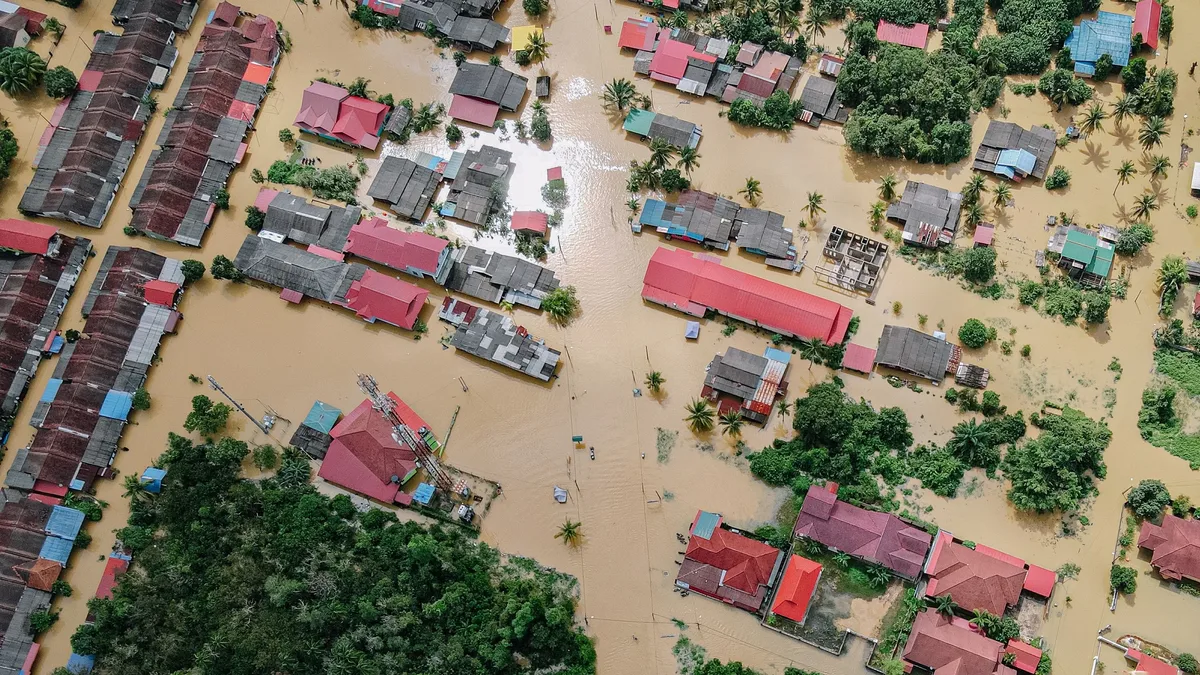
The Pacific Islands contribute a mere 0.02% of global emissions but face existential threats. The region experiences sea-level rise at twice the global average, jeopardizing homes and causing large-scale coral bleaching. A UN report notes sea levels are rising at a record pace. Developing countries need between $310 billion and $365 billion annually for adaptation, but only $26 billion was available in 2023.
In Tuvalu, two of nine coral atolls are already largely swamped. Prime Minister Feleti Teo called sea-level rise a present reality, not a future threat. Marine scientist Rajneel Singh reported large-scale coral death around the nation. Australia, a major coal exporter which will chair COP31, faces accusations of hypocrisy. Its officials insist the country is rapidly expanding renewable energy.
Village chief Ratu Manasa Naikasowalo supports Naivalu’s advocacy, noting her work has already brought food security and coral planting programs to Nacula. She will attend the summits to forge the partnerships her community needs to survive.