Greenpeace challenges Crown Estate's offshore wind leasing fees
Greenpeace UK has threatened legal action against the Crown Estate over its offshore wind seabed leasing fees.
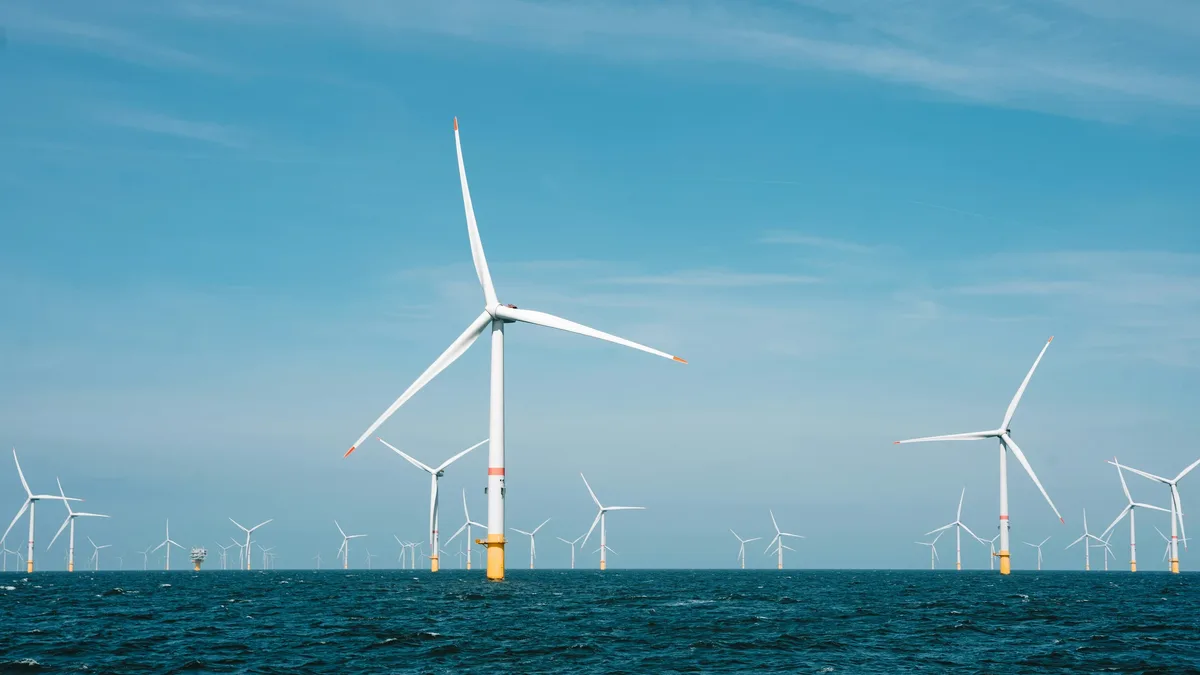
Greenpeace UK has sent a pre-action protocol letter to the Crown Estate, threatening legal action over its seabed leasing practices for offshore wind developers. The environmental group claims the fee structure, which relies on uncapped competitive bidding, breaches the Crown Estate's legal duties and risks inflating energy costs for consumers. The legal challenge focuses specifically on the terms for the 1.5 GW Morgan Offshore Wind Project in the Irish Sea.
How uncapped fees could raise costs for offshore wind and consumers
Greenpeace cites research from the University of Oxford’s Smith School of Enterprise and the Environment. The study examined the financial effect of fees introduced in the Crown Estate's 2021 leasing round. It found that the option fees require developers to sell electricity at prices 30% to 59% higher than they would without the fees to deliver the same financial return.
The Oxford research models costs across the new offshore wind capacity needed for the government's Clean Power 2030 target. It projects that if these higher costs were fully passed through to consumers, it could add between £36 billion and £72 billion to UK energy bills between 2035 and 2054. The researchers stress this is a modelled scenario, not a firm forecast.
The Morgan project: a case study in failed economics and renewed bidding
The Morgan offshore wind farm, a 1.5 GW project off the coast of Lancashire, became a focal point. Its original developers, a joint venture, discontinued the project in January 2026 after deciding it was no longer economically viable and returned the lease rights. The Crown Estate launched an accelerated tender for the site in July 2026, aiming to select a new preferred bidder by the end of the year.
Although the project has its development consent order and a grid connection, Greenpeace argues the new tender process retains the problematic uncapped fees. The Crown Estate states developers will compete through a rising-clock auction, determining a 'Site Exclusivity Fee' payable when the project enters its lease. This fee, bid as a lump sum, is to be paid over 20 years. Greenpeace alleges in its legal letter that the Morgan auction 'suffers from materially the same legal defects' as previous rounds.
Pattern of profit growth at Crown Estate raises concerns over market impact
The Crown Estate replaced fixed fees with uncapped competitive bidding in its fourth offshore wind leasing round. This shift has significantly increased its revenues. The estate reported £1.2 billion in operating profit for 2025/26, though this was down from £1.4 billion the previous year. Income specifically from Round 4 option fees fell from £1.073 billion to £875 million as projects moved towards construction.
Greenpeace warns this model risks being expanded. The next major leasing round is expected in 2027. The group is concerned the conditions applied to the Morgan auction could be replicated for much larger seabed areas. Will McCallum, Greenpeace UK's co-executive director, said: "The Crown Estate is acting like the cat that got the cream." He added, "Its role may be to extract profit from the King's land, but that must not be at the expense of the common good."
Greenpeace is calling for the Chancellor to intervene to cap option fees, including in the upcoming leasing round. It argues excess profits from previous auctions should be invested in seabed conservation measures. The Crown Estate, as legal owner of the entire UK seabed outside Scotland, runs auctions to lease seabed blocks, generating income from fees and rents. It states its auction fees are determined by developers through competitive bidding. The Crown Estate aims to select a preferred bidder for the Morgan site by the end of 2026 through its accelerated tender process.