Nepal Tests UN Climate Disaster Fund After Deadly Floods
Nepal has triggered the emergency procedures of the UN's loss and damage fund, seeking support after floods killed over 1,300 people.
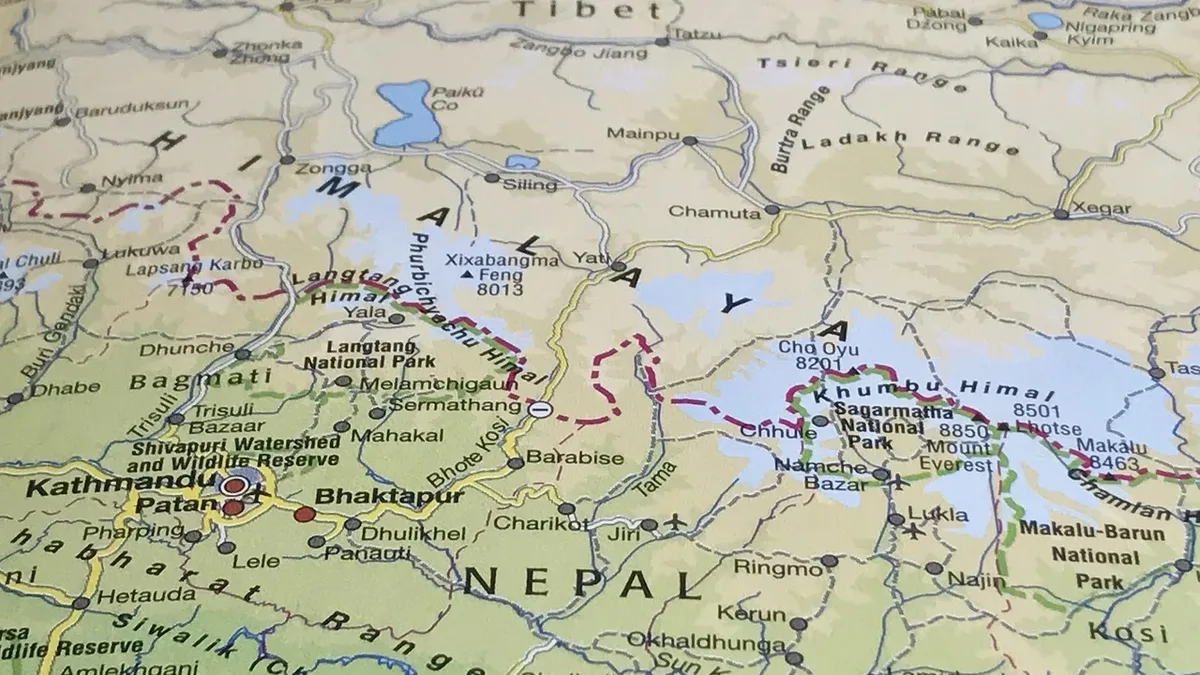
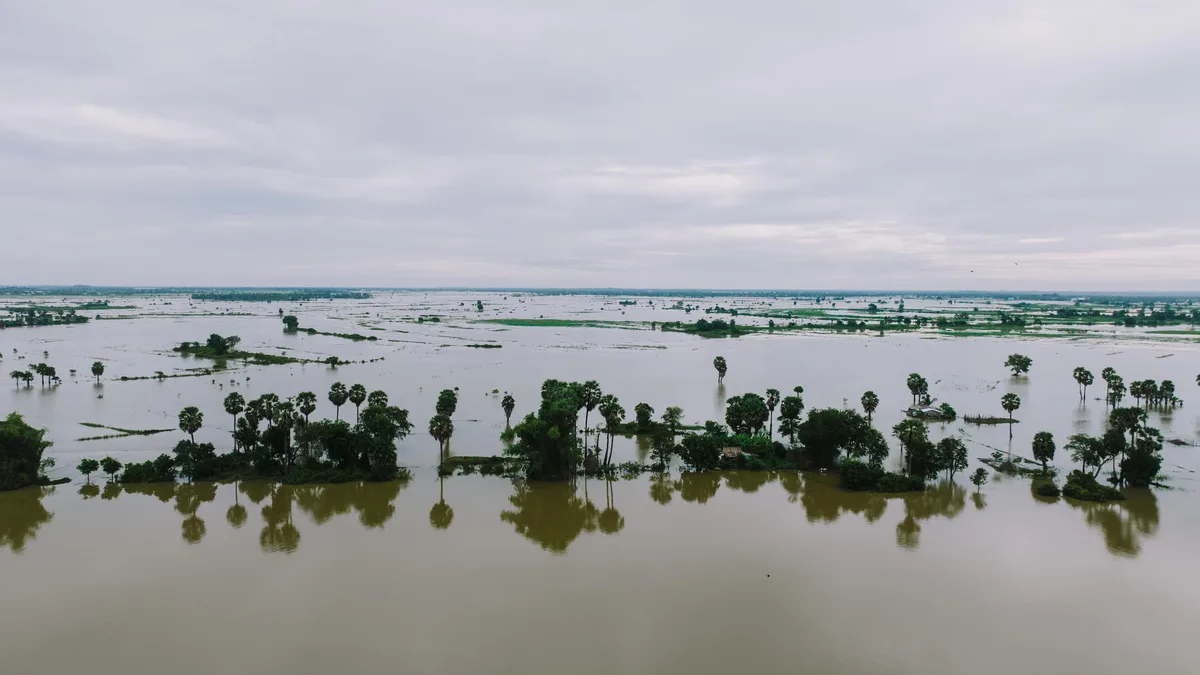
Nepal has become the first nation to invoke the emergency procedures of the global Fund for Responding to Loss and Damage (FRLD). The move follows devastating flash floods in late August that killed more than 1,300 people and left thousands missing, triggered by a glacial lake collapse.
Finance Minister Swarnim Wagle estimates the cost of rebuilding at $4 to $5 billion, a preliminary figure representing roughly 10 percent of the country's annual GDP. This need is more than 200 times the $20 million limit the fund has set for a single disaster.
A Fund Under Pressure
Established by the UN in 2023, the FRLD is designed to support developing countries hit by climate disasters they did not cause. Eight board members from developing nations called for an emergency board meeting after Nepal's formal request. Richard Sherman, a South African climate negotiator and board member, told The Independent the board hopes to provisionally allocate money soon. "If this happens, we could be in a position to approve money for Nepal, I would say in a month or two months," he said.
No money has reached any country from the fund yet. The emergency process aims to move from application to disbursal in six to eight weeks, compared to the normal six-to-eight-month timeline. Andreas Sieber of the campaign group 350.org said Nepal's case tests the fund's founding promise. "There is not enough money to cover these disasters," he explained.
The Scale of the Funding Gap
The fund holds $822 million in total pledges, with only about $350 million currently earmarked for disbursement. Developing countries have already submitted 180 applications seeking a combined $2.8 billion. A 2024 study in Nature estimated developing countries will need $395 billion annually by 2025 to cover climate-driven loss and damage, a figure consistent with Intergovernmental Panel on Climate Change estimates.
Harjeet Singh, who has worked on the fund's design for years, said the shortfall was predictable. "We already knew the scale of damage and loss has reached that level," he said. Sherman acknowledged the gap, stating the $20 million cap exists because "it's what we have." He described the current disbursements as a pilot phase to test systems.
The Political and Financial Context
The broader climate finance landscape is strained. The Green Climate Fund lost $3 billion after the US withdrew its support. The UK has roughly halved its own climate finance contribution recently. Singh argued the global shortfall is not due to a lack of money.
Nepal's Foreign Minister Shisir Khanal said the country is "paying the ultimate price for a global crisis we did not create." Nepal is one of the world's least developed countries and a negligible contributor to global heating, yet it is highly vulnerable. Sherman noted that while many vulnerable countries demand compensation, the term carries no legal weight. "Developed countries have been very clear that for them, supporting loss and damage is not about compensation," he stated.
The Path to Debt
Experts warn the funding gap will likely force Nepal into debt. The likeliest source for further support is the World Bank, which provides loans, not grants. Pakistan took a similar path after 2022 floods, adding $400 million in loans to existing debt for rebuilding. Sherman said Nepal will likely follow, taking on sovereign debt due to an "event that was not of their making." Singh called this pattern "a double injustice."
Scientists agree rising temperatures have destabilised Himalayan glaciers for years. The precise mechanism behind the August collapse is still under investigation. Nepal's President Ramchandra Paudel has made a formal appeal for "climate justice," while Prime Minister Balendra Shah is due to raise the issue at the UN General Assembly.