Natalia's Glacial Collapse Kills 900, Warming Link Direct
A catastrophic glacial collapse in Nepal and Tibet killed over 900 people, with scientists directly linking the disaster to human-caused planetary warming.

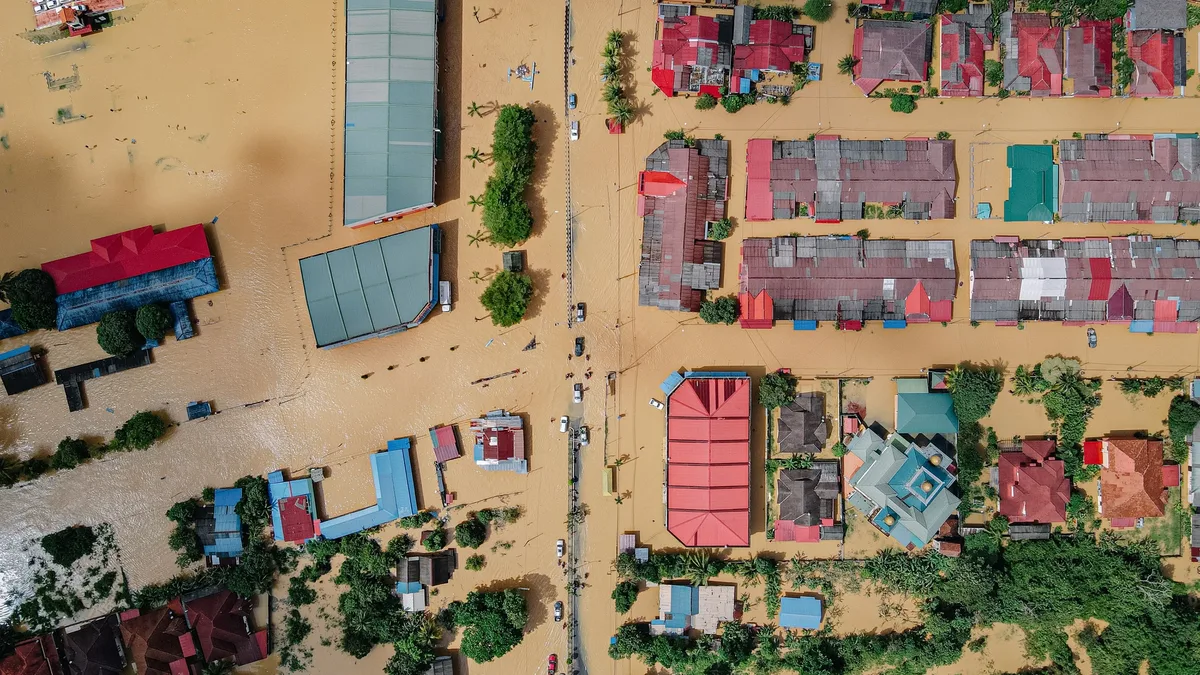
A glacial collapse in Nepal and Tibet has killed more than 900 people, with over 4,400 missing. The disaster was directly caused by warming-induced permafrost and ice melt, according to climate scientist Michael Mann.
Surveillance footage captured a 40mph wall of mud and debris overtaking fleeing crowds. Mann describes the torrent as "liquid concrete" that buried victims. The event demonstrates a new reality where, as a CNN headline stated, "living downstream from a glacier has become a deadly liability."
The Direct Warming Link
Unlike many extreme weather events, the connection here is not merely statistical. The flood resulted from the structural failure of a mountain as its frozen cement of permafrost and ice liquefied. This provides a direct causal link to planetary warming, rather than one established through probability.
Mann explains the more common method of attribution for weather events. Scientists run parallel climate model simulations. One models a world without human influence, while another includes greenhouse gas increases. By comparing how often an event occurs in each, they can attribute its extremeness to climate change.
A Summer of Attributed Extremes
The Himalayan disaster concluded a season of deadly events formally linked to human-caused planetary warming. The summer began with an unprecedented March heat dome in the southwestern U.S. Researchers found it "virtually impossible" without human influence.
A May heat dome smashed records in the eastern U.S. and Europe. Subsequent European heatwaves caused over 35,000 deaths. Record heat and dryness in western Europe also sparked catastrophic wildfires, forcing hundreds of thousands to evacuate.
| Region | Event | Key Impact | Attribution |
|---|---|---|---|
| Southwestern U.S. | March Heat Dome | Unprecedented early-summer heat | "Virtually impossible" without warming |
| Europe | Summer Heatwaves | Over 35,000 deaths | Formally attributed to planetary warming |
| Western Europe | Wildfires | Hundreds of thousands evacuated | Linked to human-caused influence |
| Canada/U.S. | Wildfire Smoke | Hazardous air quality on East Coast | Attributed to human influence |
| Midwestern U.S. | August Derecho | Near 1 million without power | Emerging evidence of warming influence |
Back in North America, Canadian wildfires, now a recurring summer feature, choked the U.S. East Coast with smoke. In mid-August, a historic derecho with 100mph winds left nearly a million people without power from Illinois to Virginia. While attribution for such rare events is challenging, emerging evidence suggests planetary warming makes them more frequent and damaging.
The Policy Stakes
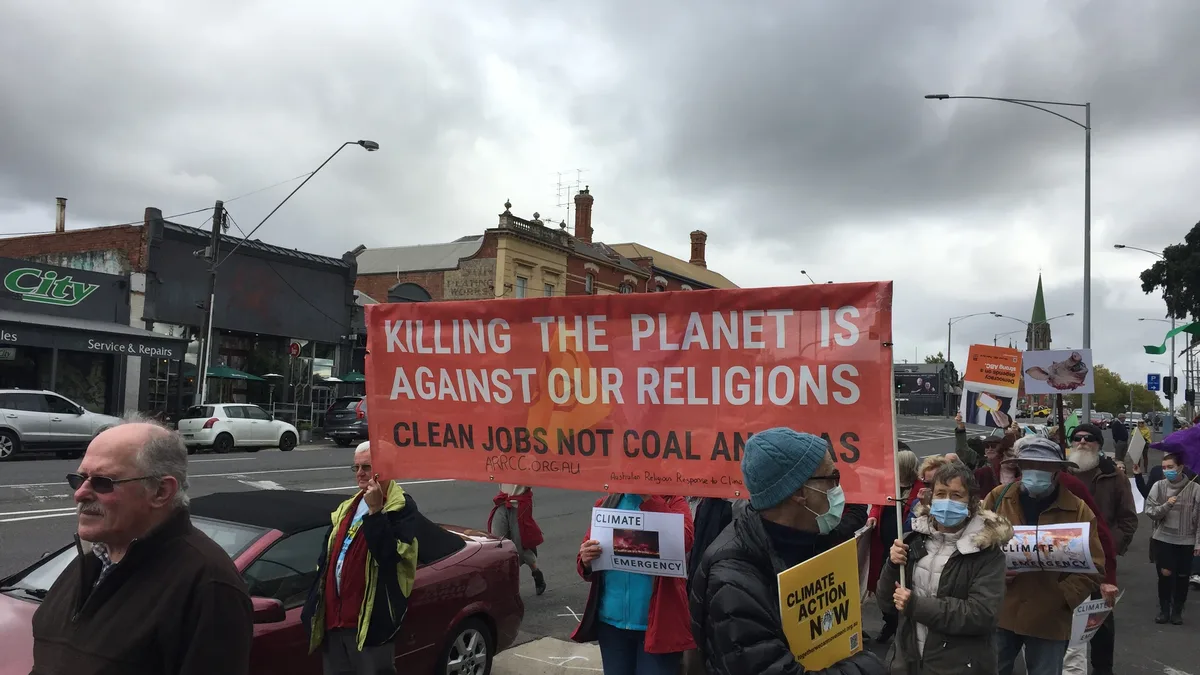
Mann argues this collective devastation is an unmistakable consequence of continued planetary warming. He criticizes U.S. policies, which he says were "written by polluters themselves," for worsening the situation by favoring fossil fuel dependence. The extreme events, he states, underscore the urgency of moving quickly toward clean energy.
He concludes that one of the greatest opportunities for Americans to affect policy is the upcoming midterm election, suggesting voters make support for dramatic action a litmus test.