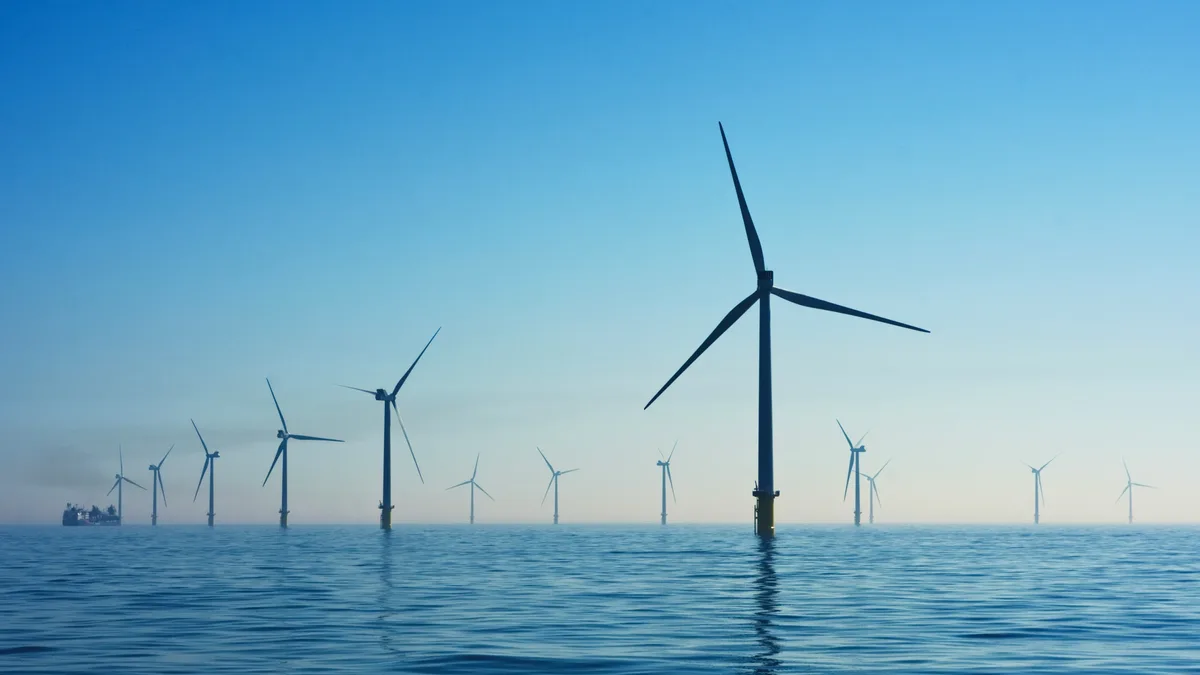
China's 2026 Clean-Tech Exports Drive Global Carbon Emissions Reduction
China's surging exports of solar panels, wind turbines, electric vehicles, and batteries are set to avoid around 450 million tonnes of CO2 globally in 2026, equivalent to 2% of emissions outside China. The lifetime emissions savings from this year's shipments are forecast to be immense, with the majority of benefits accruing in the Global South.
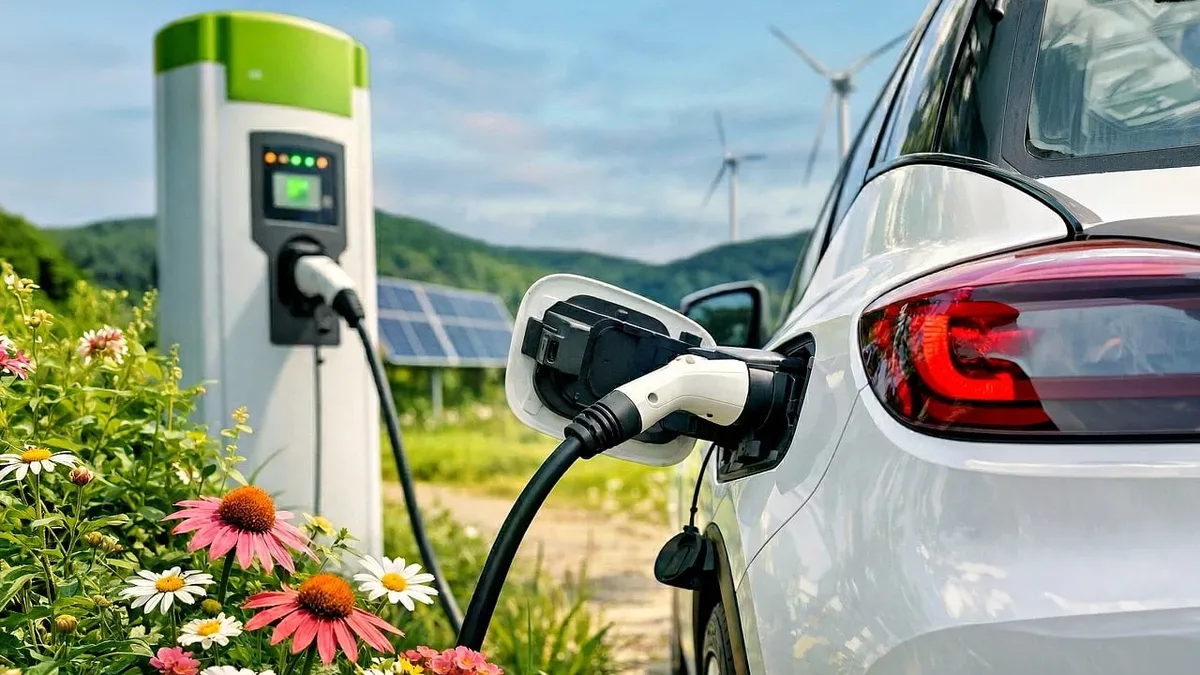
China's clean-tech exports are accelerating sharply in 2026, driving a significant reduction in global carbon emissions. The volume of shipments across all major green technology categories saw double-digit growth in the first three quarters of the year compared to the same period in 2025.
| Product Category | Year-on-Year Growth (First Three Quarters, 2026) |
|---|---|
| Electric Cars & Heavy Vehicles | 61% |
| Wind Turbines | 45% |
| Batteries | 39% |
| Solar Panels | 22% |
| Electric Two-Wheelers | 21% |
The impact of these exports on global carbon dioxide emissions grew by 26% year-on-year over that same period.
Emissions avoided globally
China's clean-tech exports in 2026 are on track to avoid around 450 million tonnes of CO2. This figure represents roughly 2% of the world's annual emissions outside China. The long-term climate impact is far greater. Over their operational lifetime, the equipment exported from China in 2026 is forecast to avoid a cumulative 8,400 million tons of CO2. That amount is as much as the United States and India together emit in a single year from burning fossil fuels.
Analysts note that wind- and solar-equipment exports from China in 2026 alone will generate as much clean electricity each year as roughly 100 coal-fired power plants.
Where the savings happen
The bulk of the avoided emissions are occurring in the Global South. Seventy-six percent of the lifetime emissions savings will happen there, with 52% concentrated in south and south-east Asia. Many of these countries are in sunny regions with rich potential for solar power, which is by far the biggest source of avoided emissions among China's exports. The trend is driven by these nations increasing imports from China while simultaneously cleaning up their own dirty power grids.
Lifetime impact and payback
The climate benefits of the exported equipment vastly outweigh the carbon dioxide emitted during its manufacturing. Estimates suggest it takes around six months for clean tech imports to 'pay back' the manufacturing emissions through the carbon savings they enable. After that period, every unit of electricity generated or kilometer driven represents a net reduction in atmospheric CO2.
Policy and market context
This export surge is creating new decarbonisation pathways worldwide, even as it pressures incumbent producers in other countries. The analysis found that China's clean tech exports have, in the aggregate, created new markets rather than displacing existing producers. The surge has also driven down per-unit prices globally. In response to growing concerns about industrial overcapacity and related trade measures, China has labeled clean tech tariffs a new problem for climate action. President Xi Jinping stated that "China will step up support for other developing countries in developing green and low-carbon energy." The country has vowed to push back against such tariffs at the upcoming COP31 climate summit. The forecast remains stark: the lifetime emissions avoided by China's 2026 exports equal the combined annual fossil fuel emissions of the United States and India.