High Court blocks Mount Pleasant coal mine expansion in landmark climate ruling
Australia's High Court has invalidated the approval for MACH Energy's Mount Pleasant coalmine expansion, ruling that planners must consider mitigating greenhouse gas emissions from coal burned overseas. The 3-2 decision sets a binding precedent for assessing the climate impact of fossil fuel exports.
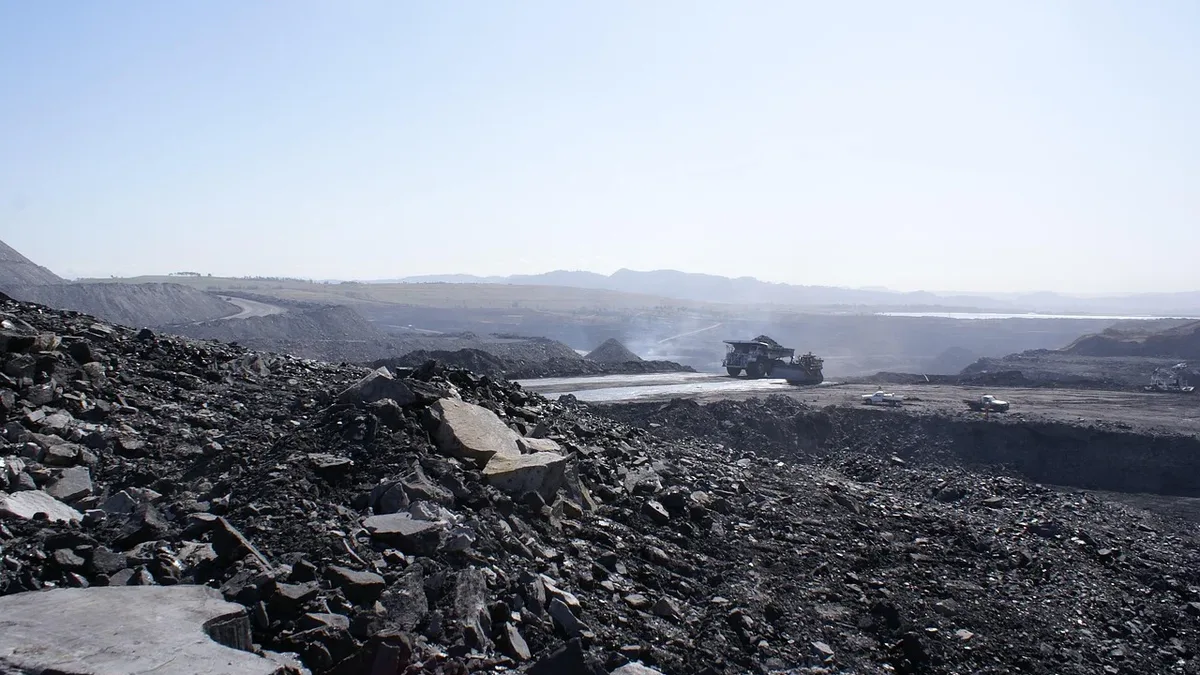
Australia's High Court has rejected MACH Energy's bid to expand its Mount Pleasant coalmine, delivering a landmark ruling on climate change. The court upheld a prior decision that invalidated approval to double the mine's output to 21 million tonnes per year and extend its life until 2048, which would have allowed extraction of an additional 406 million tons of coal.
Community group wins after four-year legal fight
Retired science teacher Wendy Wales, her partner Tony Lonergan, and the Denman Aberdeen Muswellbrook Scone Healthy Environment Group (DAMS HEG) pursued the case for more than four years. They initially lost in the NSW Land and Environment Court before winning on appeal, a victory MACH Energy then challenged in the High Court. The community group's president, Wendy Wales, argued the expansion would make Mount Pleasant one of Australia's largest export coal mines.
Ruling hinges on scope 3 emissions oversight
The court found that 98% of the project's projected emissions are scope 3, meaning they come from burning the coal overseas. Justice James Edelman stated that focusing only on the remaining 2% of emissions failed the planning commission's duty to consider minimizing greenhouse gas emissions. The New South Wales Independent Planning Commission did not consider rules to address these scope 3 impacts, which it was legally required to do when assessing the project's contribution to global climate change and its impacts on the Upper Hunter, including more intense bushfires and prolonged drought.
Wider implications for Hunter Valley coal projects
The decision creates legal uncertainty for other coal projects. Lock the Gate Alliance NSW coordinator Nic Clyde said the ruling would affect 17 coal projects currently in the state's planning pipeline. NSW Greens MP Sue Higginson said it could lead to significant legal difficulty for the recently approved Hunter Valley Operations (HVO) coalmine extension. The HVO extension was approved by the Independent Planning Commission a week before the High Court ruling, and its environmental impact statement also did not account for scope 3 emissions, which similarly make up 98% of its total.
Industry and government responses
A MACH Energy spokesperson said the company was disappointed but accepted the court's decision and would review the judgment to understand implications for future project assessments. The company said it would continue to pursue options to ensure long-term continuity of the Mount Pleasant Operation, emphasizing that thousands of Hunter residents relied on the mine for employment and income. The spokesperson said residents had lived with fear and uncertainty for too long. In a separate move, the state government approved a modification in August that would extend the mine's operational life for six years; the mine is otherwise due to end operations in December of the current year.
Minerals Council of Australia chief executive Tania Constable described the decision as a further blow to Australia's prospects of meeting global demand for high-quality coal. She said mines may now have to work out how to reduce emissions from export customers. Australia's fossil fuel export economy is substantial, with recent annual figures showing:
| Export | Volume | Value |
|---|---|---|
| Thermal Coal | 209 million metric tons | A$31 billion |
| Liquefied Natural Gas | Not specified | A$70 billion |
Principal solicitor Anita O’Hart, whose firm Johnson Legal represented DAMS HEG, summarized the ruling's core mandate. Elaine Johnson said: "The court has said that when considering coalmine expansions, our planning authorities must consider how to limit emissions generated from coal burned overseas." MACH Energy said it would review the judgment to understand implications for future project assessments.