Albanese warns of dangerous summer as Pacific leaders demand climate action
Australian PM Anthony Albanese linked a looming 'monster El Niño' summer of fires and cyclones to climate change.
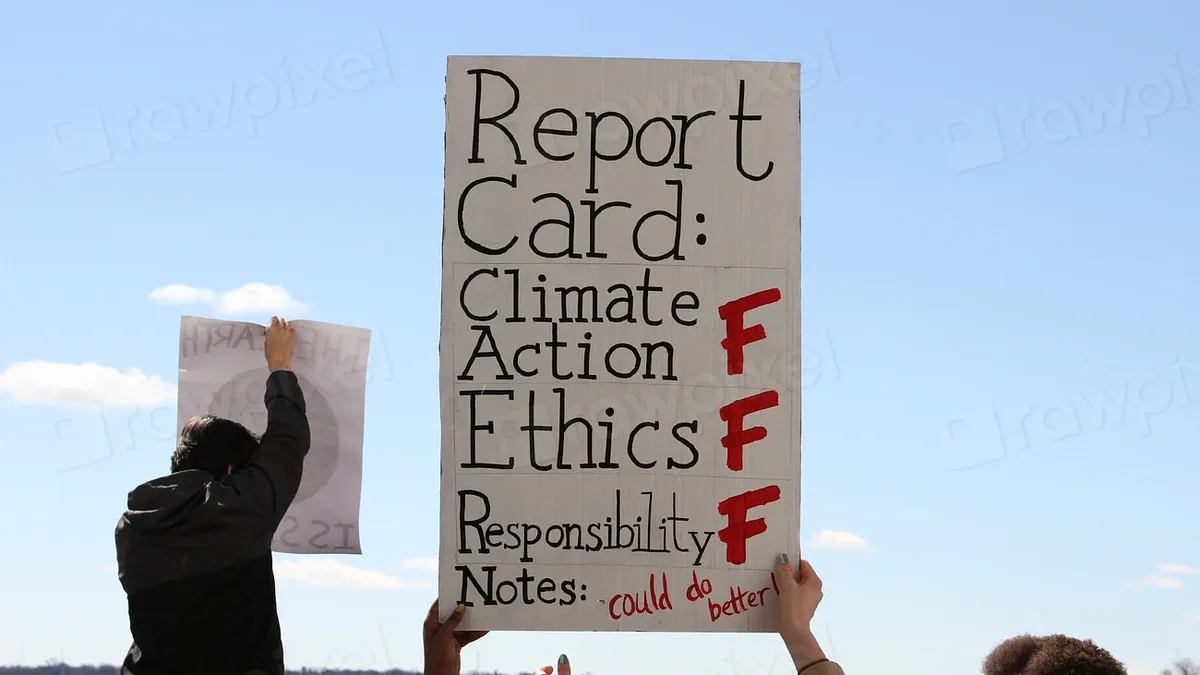
Prime Minister Anthony Albanese has declared Australia faces a dangerous summer of fires and cyclones due to climate change and a monster El Niño. He warned the forecast of a super El Niño may test the nation, stating that if global emissions are not addressed, the current extreme weather is precisely what science predicted. Albanese said climate change is not a future problem but is here right now.
Speaking at the opening of climate talks in Fiji, Albanese said the expected nasty summer and demonstrated impact on Pacific island countries showed the world could not afford to let the goal of limiting global heating to 1.5C slip from its grasp. The visit to the Pacific pre-COP gathering was promised by the Albanese government last year as part of a compromise deal when it missed out on hosting the COP31 climate conference.
Pacific leaders demand action as sea levels rise faster in their region
Albanese noted sea levels in the western Pacific are rising at more than twice the global average. Leaders from low-lying nations highlighted the existential threat this poses. Tuvalu, a collection of three reef islands and six atolls, is home to about 10,600 people and sits mostly less than two metres above sea level. Its highest point is just two metres above the sea.
Scientists fear the entire Tuvalu archipelago could be unliveable by the end of the century. Rising waters have already largely swamped two of Tuvalu's nine coral atolls. The country is laying plans to relocate its population if the nation is consumed by the ocean. Tuvalu’s director of climate change, Jamie Ovia, said sea-level rise is projected to increase the annual cost of damage from flooding and storm surges to US$34 million a year by 2050 and $63 million by 2100.
Tuvalu Prime Minister Feleti Teo argued island nations should not have to borrow to protect themselves from a climate crisis they did little to cause. He stressed island states needed faster access to global climate finance to deal with worsening extreme events.
Youth voice shows intergenerational stakes of climate inaction
The human stakes were voiced by 13-year-old Tuvaluan student Melelusi Sokotia. She said her friends dreamed of becoming teachers, doctors, and builders but spent their lives wondering if their island would survive into their adult lives. Sokotia expressed a plea for global cooperation, stating, "We all have one single dream: to grow safely here in Tuvalu. We are not asking for peace. We are asking for help and partnership."
Diplomatic push for climate finance and fossil fuel transition gains momentum
Pacific and Australian leaders called for faster access to climate funds and reaffirmed the commitment to transition away from fossil fuels. Fijian Prime Minister Sitiveni Rabuka stated the transition away from fossil fuels was agreed to by all in Dubai and is not open for renegotiation. He said the world was on the brink of overshooting the 1.5C goal and must bring forward plans to cut emissions.
Leaders called for investment in the new Pacific Resilience Facility, which is seeking $500 million in investments by COP31 in November and had around $180 million so far. The pre-COP gathering in Fiji is setting the stage for COP31, scheduled for November, where climate finance and emission cuts will be negotiated. Australia's Climate Change Minister, Chris Bowen, will serve as co-chair of the UN’s annual climate talks next month with host nation Turkey.