Germany commits to fossil fuel phase-out by 2045
Germany has unveiled a national roadmap to end its reliance on fossil fuels by 2045, becoming the third European country to do so.
Germany has committed to ending its reliance on fossil fuels entirely by 2045. Federal Environment Minister Carsten Schneider confirmed the national roadmap this week, making Germany the third country in Europe to adopt such a formal plan.
The environment ministry announced the roadmap on 23 September. It comes amid rising global scrutiny over fossil fuel dependence following COP30, where key climate commitments were weakened.
Urgent need for action
Carsten Schneider linked the push to end fossil fuel use to global energy insecurity. He pointed to the situation in the Strait of Hormuz and conflict in the Middle East as proof that current systems are costly and dangerous.
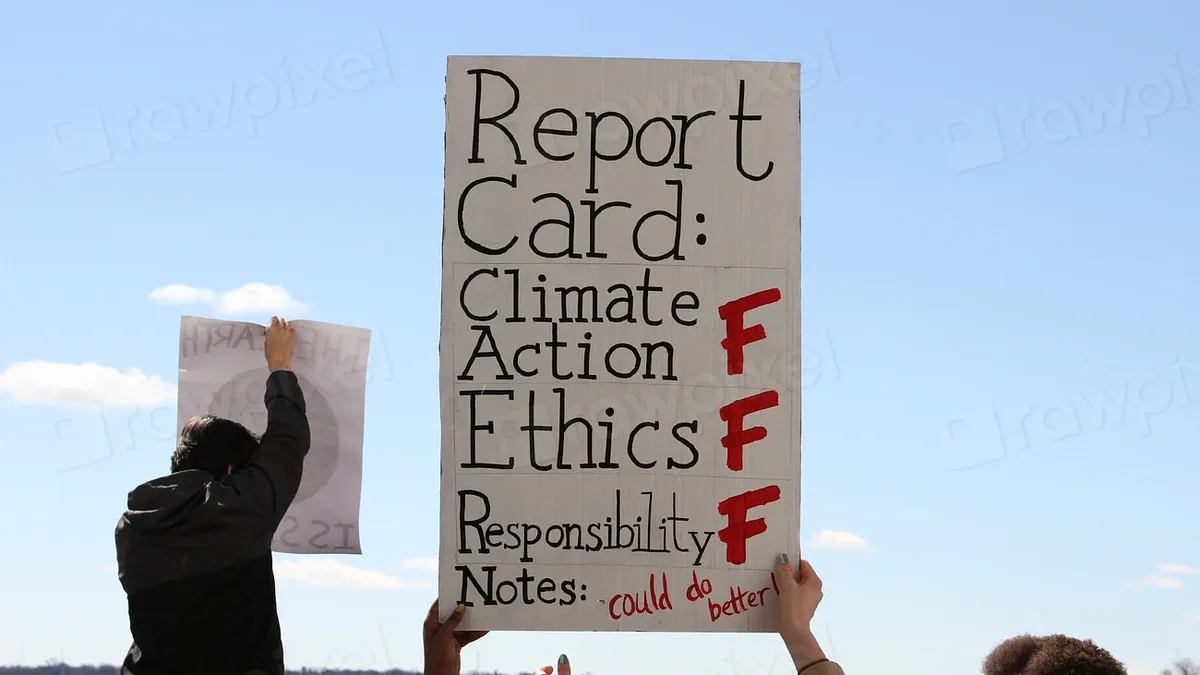
Schneider stated that extreme weather events show the urgent need for more climate action. He argued that when events in the Strait of Hormuz determine whether people can afford their commute, something is seriously wrong. The minister said the war on Iran has sent oil and gas prices skyrocketing, illustrating why fossil fuels should be dumped.
Progress and gaps in the plan
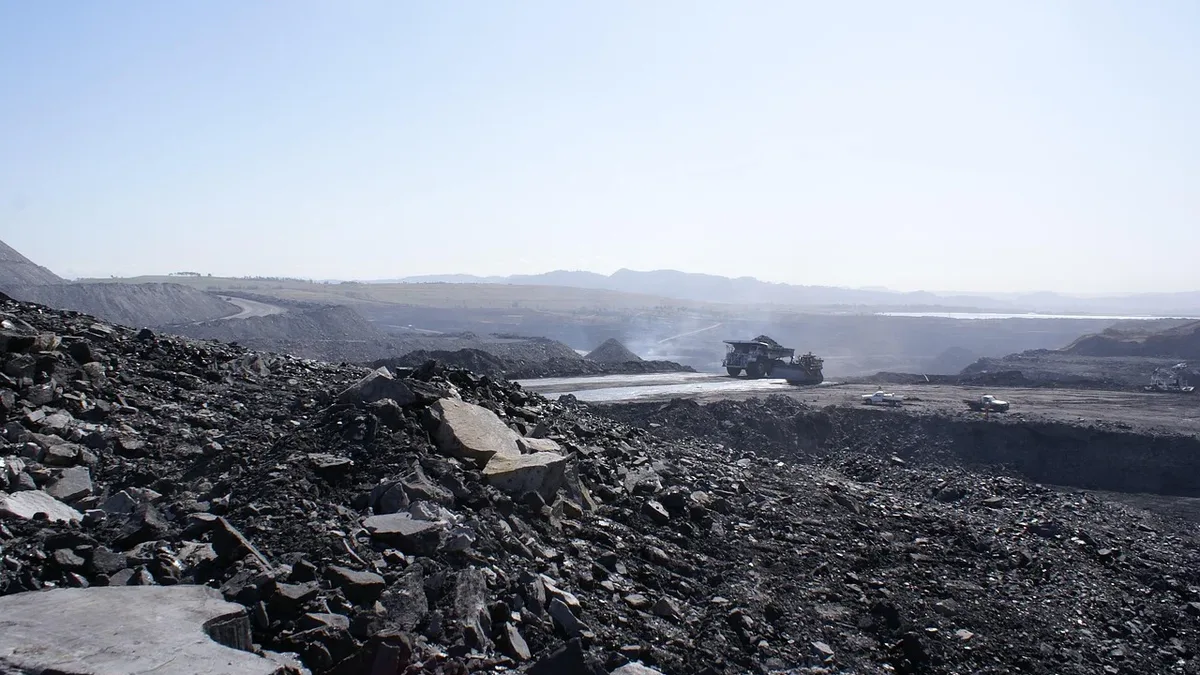
Transitioning away from fossil fuels is a central objective of Germany’s climate policy. It is seen as an essential precondition for achieving the country’s climate targets. In 2024, fossil fuels accounted for almost 65% of Germany’s final energy consumption. Fossil fuel combustion was responsible for over 83% of all greenhouse gas emissions.
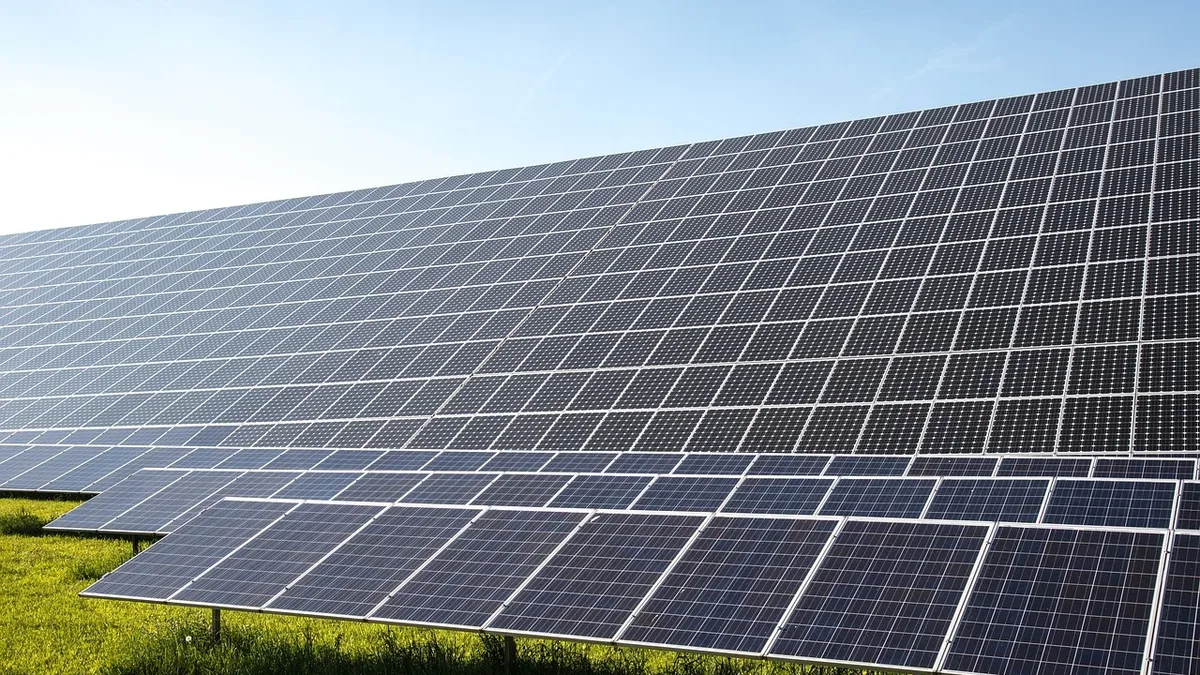
The national plan includes several key targets. Germany aims to phase out coal-fired power generation by 2038 at the latest, a legally binding target. The government says this could be brought forward to 2035. By 2030, the country aims to have cut coal capacity to 17 gigawatts and for renewables to meet 80% of electricity supply.
Despite these goals, Germany’s Expert Council on Climate Issues has said the nation is unlikely to meet the 2045 carbon neutrality target based on progress so far. The newly unveiled plan contains no interim reduction targets for oil and gas.
European context and international pressure
Germany joins France and the Netherlands as one of only three European countries with a national fossil fuel phase-out plan. This follows a pledge by almost 200 nations at the UN COP28 climate summit in 2023 to wean off coal, oil and gas. Very few nations have presented concrete plans since that pledge.
The fossil fuel roadmap idea was a flashpoint at last year’s COP30 talks in Belém. More than 90 countries backed the concept of a roadmap allowing each nation to set its own phase-out targets. All mentions of the idea were scrubbed from the final COP30 deal in the last hours of the summit, blocked by several large oil-producing nations.
France became the first European country to publish such a roadmap earlier this year. The Netherlands unveiled its national plan earlier this month as part of its new National Energy System Plan. The Dutch plan does not contain a binding end date for fossil fuel production, instead setting a target to minimise fossil fuel use by 2050.
What comes next
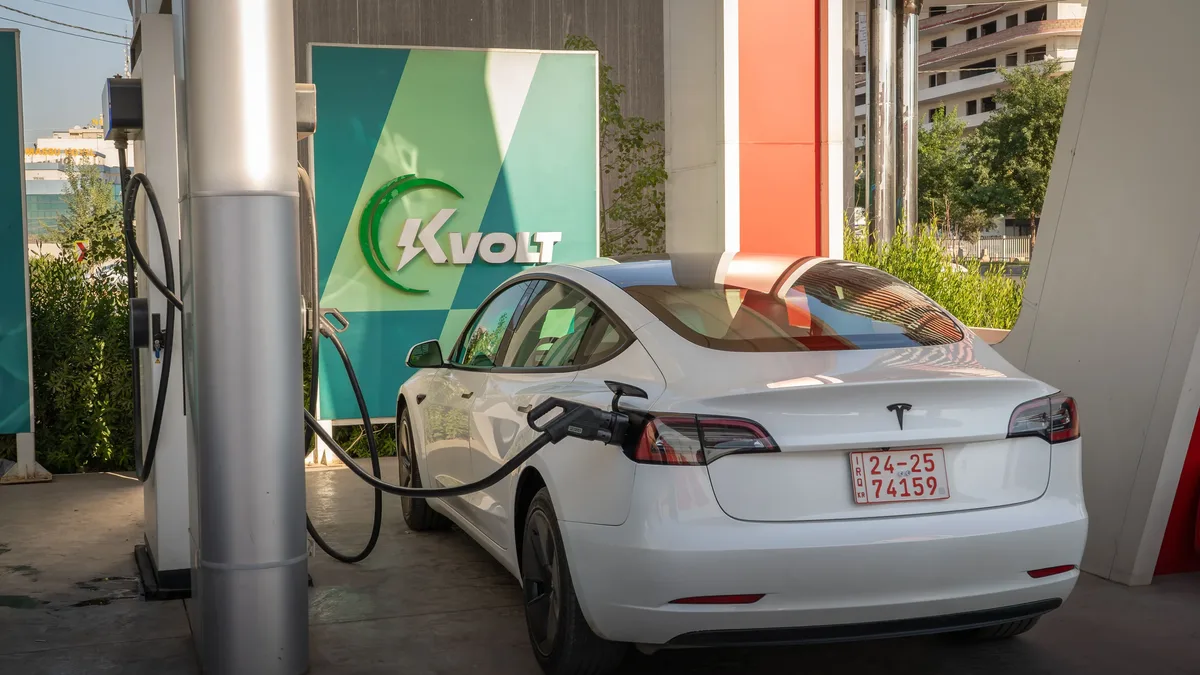
Germany intends to lead by example, hoping many other countries will follow suit. The strategy will focus on building up renewable power and greater reliance on electric vehicles. Germany will also use the European Union’s carbon trading schemes to drive industrial polluters away from fossil fuels.
International observers have reacted. Maria Mendiluce, chief executive of the We Mean Business Coalition, said Europe’s largest economy setting this plan is an important signal about where energy security is heading. She noted that a country importing 98% of its oil and 95% of its natural gas knows the economic cost of dependence.
Jennifer Morgan, former German climate envoy, said accelerating the shift to clean renewables will bolster energy independence and insulate consumers from price shocks. However, she cautioned that a roadmap is only the starting line and must be backed by a faster, more deliberate and just phase-out.
Analysts like Linda Kalcher of Strategic Perspectives said the targets in the roadmaps by France, the Netherlands and Germany still fall short of what is needed to improve energy security. Laurie Van Der Burg from Oil Change International said Germany deserves credit for its commitment but argued the government’s efforts to play climate leader are not commensurate with the reality of the crisis.
The UN Secretary-General's Climate Summit preceded Germany’s announcement. António Guterres had urged all governments to adopt formal national plans to transition away from fossil fuels with clear timelines. Germany aims to set an example internationally with its roadmap, hoping many other countries will follow suit.