UK Conservatives Propose Scrapping Green Building Standards
UK political parties shift stances on climate policies, while global leaders prepare for a critical biodiversity summit aiming to turn conservation pledges into action.
Two separate climate-related developments emerged this week, one concerning a potential rollback of green building standards in UK politics and the other focusing on the upcoming global biodiversity conference. These stories highlight contrasting approaches to environmental policy and implementation.
UK Green Policy Reversals
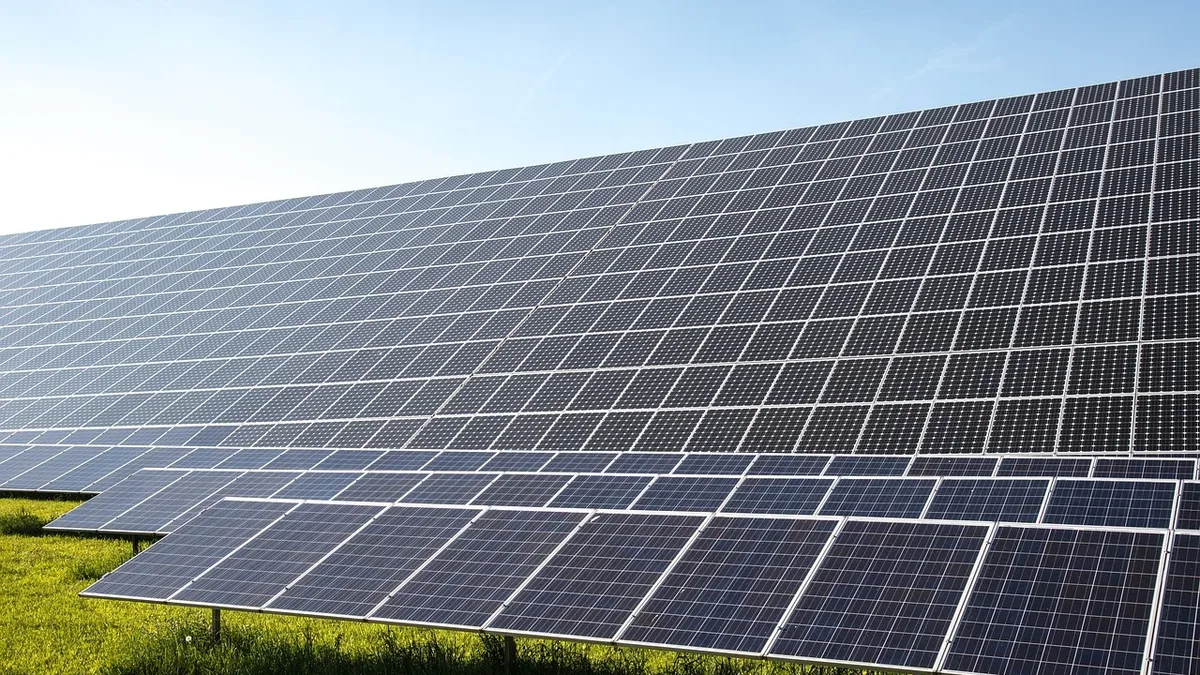
Kemi Badenoch, a Conservative Party leadership contender, proposed scrapping the Future Homes Standard at the Tory party conference. This move would allow new homes to be built without mandatory solar panels, heat pumps, and high-grade insulation. The UK requires approximately 6 million new homes, and experts warn that omitting these features would lock households into higher energy bills for decades.
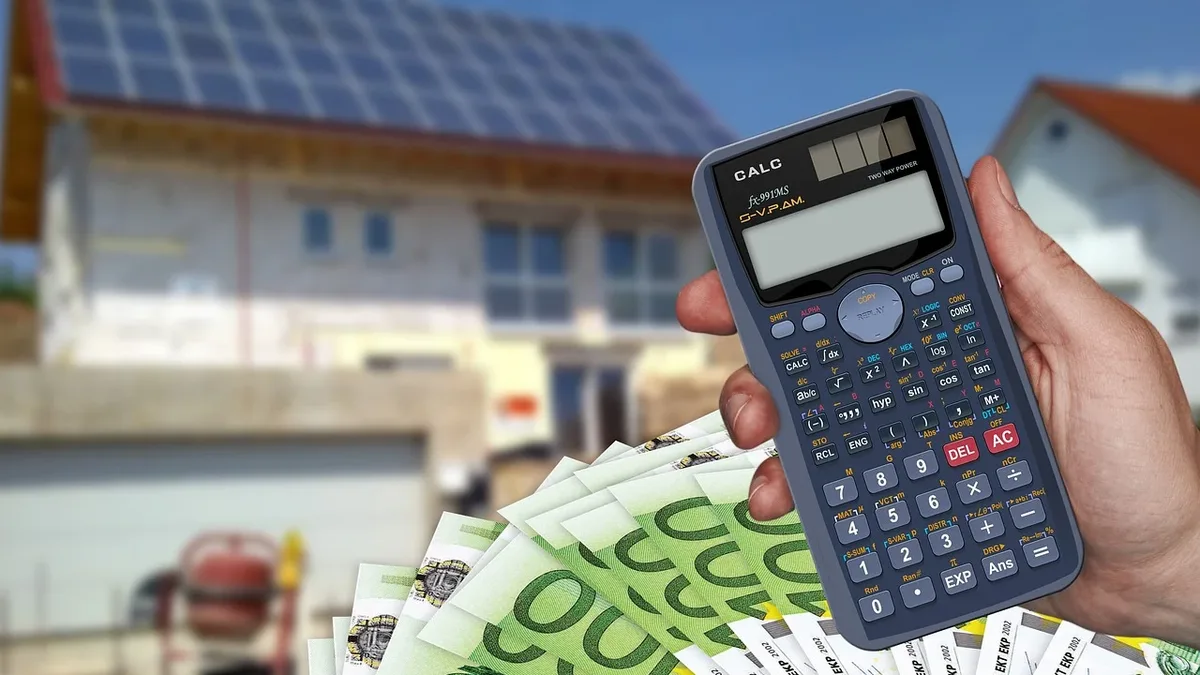
Conservative estimates placed the cost of the standard at £30,000 per new house. However, the actual cost of installing heat pumps, solar panels, batteries, and insulation during construction is estimated between £5,000 and £8,000, a figure from 2024 when energy prices were lower. This investment could save over £1,300 annually on bills, with savings likely higher now. Retrofitting these features after construction costs more than £20,000. Jan Rosenow, a professor of climate and energy policy at the University of Oxford, stated that every new home running on fossil fuels becomes a liability for its occupants.
The housebuilding industry, a traditional donor to the Conservatives, has prepared for the standard's introduction. Simon McWhirter of the UK Green Building Council said reversing course would risk slowing progress. In a separate policy shift, the Green Party abandoned its long-held opposition to nuclear power, though it still prioritizes renewables. Paul Dorfman, chair of the Nuclear Consulting Group, criticized this, arguing new nuclear diverts resources from faster options like renewables and efficiency.
At the Labour conference, Andy Burnham announced a publicly owned body to invest in the energy grid. Campaigners emphasized the need for clear climate plans. Ami McCarthy of Greenpeace UK noted that concern about climate change is rising as extreme heat becomes a regular threat. The decision on the Rosebank and Jackdaw oil drilling sites was reportedly postponed for a byelection.
Global Biodiversity Ambition Gap
The upcoming UN biodiversity conference, CBD COP17 in Yerevan from 19 to 30 October, faces the challenge of turning ambitious global targets into concrete action. The Kunming-Montreal Global Biodiversity Framework includes the goal to protect 30% of land and ocean by 2030. Current progress shows about 20% of land and 10% of the ocean are protected, with commitments projected to reach 27% on land and only 12% at sea by the deadline.
Extreme weather events this year have underscored the economic costs of ecosystem damage. Triodos Bank estimates heat and wildfires could cost EU economies around €180 billion in 2026, roughly 1% of GDP. In Nepal, August's floods damaged hydropower plants representing about 10% of national generating capacity. The latest assessment estimates that achieving the 30x30 goal could add about $450 billion to annual global GDP by 2050 and support 4 to 7 million jobs.
Implementation depends on sustained political leadership. The High Ambition Coalition for Nature and People, now with over 120 member countries, works to maintain momentum. The transition requires collaboration between governments, businesses, Indigenous Peoples, and philanthropies. Governments can build on frameworks like the Taskforce on Nature-related Financial Disclosures to provide clear guidance for companies. They have also agreed to reform subsidies harmful to biodiversity by at least $500 billion annually. Closing the ambition gap is the central task for the conference.