UK EV target rollback risks 147 million tonnes of CO2
A government consultation on weakening the 2030 electric vehicle sales mandate from 80% to 50% could lock in an extra 147 million tonnes of carbon emissions by 2030, undermining climate goals.
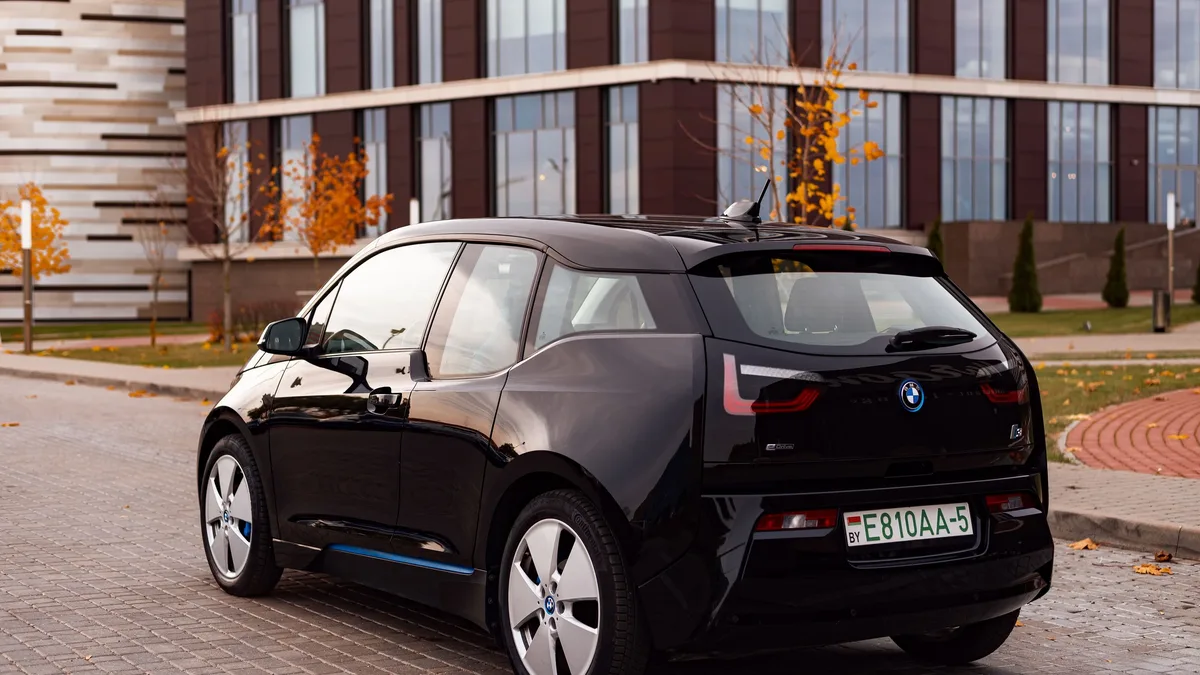
Ministers are considering a major rollback of UK electric vehicle sales targets. A consultation launched in August is weighing a reduction of the 2030 Zero Emission Vehicle Mandate target from 80% to 70%, 60%, or 50%. Analysis warns that choosing the weakest option, a 50% target, could result in an additional 147 million tonnes of carbon dioxide equivalent emissions by 2030.
This proposed policy U-turn would increase UK carbon emissions by millions of tonnes. Even a reduction to a 70% sales target would produce emissions exceeding those from burning all the gas in the Jackdaw field, a North Sea project approved last week. The oil extracted from the separate Rosebank field would be responsible for 254 million tonnes of CO2e. The 147 million tonnes potentially added by a weak EV target represents more than half of Rosebank's total emissions.
EV adoption momentum continues
Electric vehicle sales have grown consistently despite policy uncertainty. Sales increased by 21% in 2024 and by 24% in 2025. Growth has accelerated further in 2026, with a 24% year-on-year increase in March and a 60% surge in April. The car industry has met the ZEV Mandate targets for the policy's first two years and is on track to meet them again this year. Last year's amendments to the mandate, which increased flexibility for manufacturers, are seen as contributing to this sustained growth.
PHEV fuel efficiency concerns
Research confirms that plug-in hybrid vehicles consume three to five times more fuel in real-world driving than official manufacturer claims suggest. For the purpose of emissions modeling, a plug-in hybrid electric vehicle is estimated to use roughly 25% as much electricity as a full battery electric vehicle and about 85% as much fuel as a conventional internal combustion engine vehicle. Future energy consumption per mile was modified to account for biofuel content and expected vehicle efficiency improvements.
Charging infrastructure risks
Weaker EV demand forecasts could stall critical infrastructure investment. Industry estimates suggest up to 12 gigawatts of flexible charging capacity might fail to come online by 2034 under a weaker target. This would directly impact the Clean Flexibility Roadmap, which has a target of 4.5 gigawatts of smart charging capacity by 2030. The trade body BEAMA estimates that weaker EV demand could reduce home charging equipment sales by £1.56 billion and lead to 1.7 million fewer home charge point sales by 2034.
The government's final decision on the 2030 EV sales target, following the consultation, will determine the path forward for transport emissions reduction.