ADS-TEC Energy Advances 1 GW Battery Storage Project in Germany
ADS-TEC Energy is closing in on a building permit for a 1 GW/4 GWh battery storage facility in Baden-Württemberg.
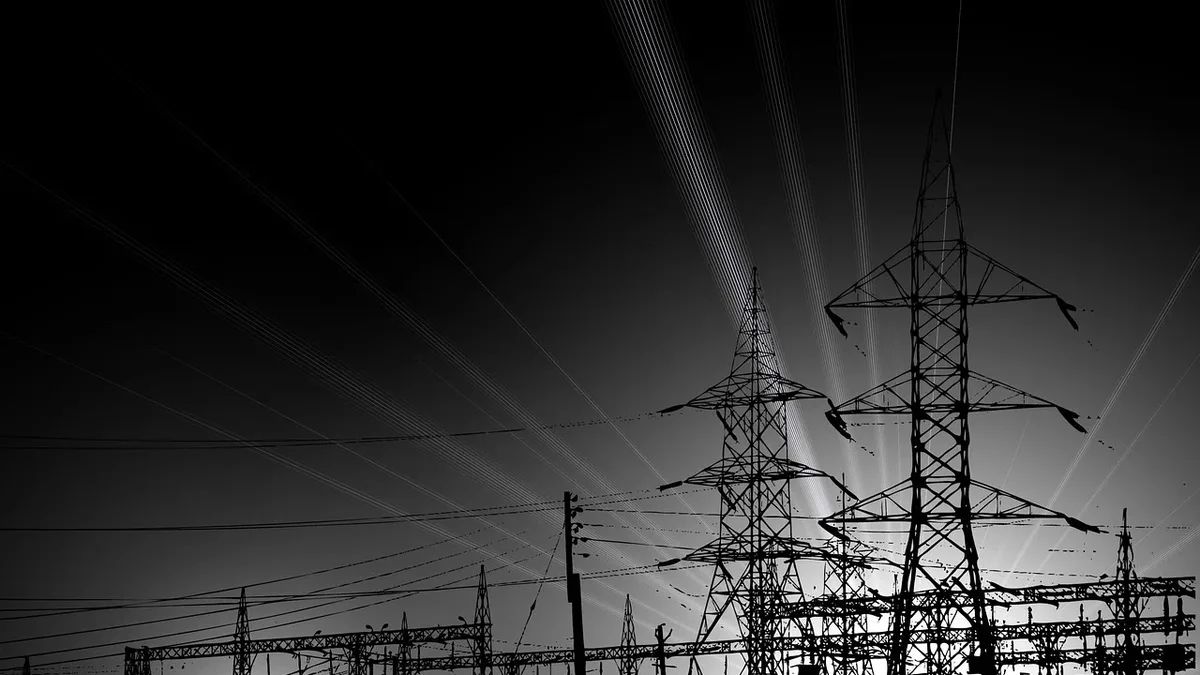
ADS-TEC Energy has completed all application documents for a 1 GW battery storage project in southern Germany and awaits the building permit. The 4 GWh facility near the Pulverdingen substation in Baden-Württemberg is a key step toward finalizing financing and partnership agreements for a project targeting a 2029 grid connection.
The project's capacity was doubled from its initial 2 GWh announcement in September 2025 to 4 GWh within just over a year. The building permit is described as the final procedural hurdle before major financial decisions can be locked in.
Strategic Stakeholder Shift
ADS-TEC Energy is in advanced negotiations to sell a majority stake in the project company to international infrastructure investors and European energy firms. The company plans to retain a minority interest alongside long-term operational involvement. Once the permit is issued, the focus will shift to finalizing these financing and partnership agreements. ADS-TEC would remain as a minority shareholder, the technology provider, and the long-term service operator.
Technical and Operational Advantages
The facility will be equipped with ADS-TEC's proprietary battery management system, a technology the company has developed and deployed in-house for over 15 years. This approach aims to reduce reliance on Asian battery management suppliers and enhance IT and data security for critical grid infrastructure. The project is being developed with European industrial partners, including German suppliers for batteries, electrical switchgear, and transformers.
Economic and Grid Impact
The 1 GW/4 GWh battery energy storage system is designed to deliver power for four hours. Its output is equivalent to a major coal or nuclear plant or roughly 250 wind turbines. The installation could meet the daily electricity needs of 400,000 single-family households.
The system's primary role is to store surplus renewable energy and release it when needed, stabilizing grid frequency and absorbing load peaks. It is designed to operate for decades, easing pressure from variable wind and solar output while supporting growing demand from electric vehicles, heat pumps, and data centers.
| Metric | Specification |
|---|---|
| Power Output | 1 GW |
| Storage Capacity | 4 GWh |
| Discharge Duration | 4 hours |
| Households Equivalent | 400,000 single-family homes |
| Targeted Grid Connection | 2029 |
| Typical Investment Range | Several hundred million to ~€1 billion |
From 2029 onwards, the facility is positioned as a long-term value driver for ADS-TEC through its proprietary technology, technical services, and retained stake. The project supports the German federal government's electricity storage strategy. Investment in such a project typically ranges up to one billion euros. Third-party data shows large-scale battery storage systems in Germany can achieve annual revenues between €150,000 and €250,000 per megawatt through wholesale trading and balancing markets. Finalization of financing and partnership agreements is expected to follow the issuance of the building permit, with operational commencement targeted for 2029.