Battery Storage
Origin and history
The foundational concept of storing electrical energy in batteries dates to the late 18th century with the invention of the Voltaic pile in Italy. Practical application for stationary energy storage began in the late 19th century with the development of lead-acid batteries, primarily used for telegraph and lighting systems. The modern utility-scale battery storage sector, however, emerged from technological advancements in the late 20th and early 21st centuries. Key innovation originated from consumer electronics and automotive industries, particularly in East Asia and North America, driving the development of lithium-ion chemistries. European involvement initially focused on research and niche applications, such as frequency regulation for isolated grids. The sector's rapid commercial scaling began in the 2010s, propelled by falling costs and the integration of variable renewable energy sources like wind and solar.
What it is for
Battery energy storage systems are designed to store electrical energy and discharge it at a later time to provide specific services to the electricity grid or to end-users. A primary function is to balance supply and demand in real-time, absorbing excess generation and injecting power during shortages. They are critically deployed to integrate intermittent renewable energy sources by storing surplus solar or wind power for use when the sun is not shining or the wind is not blowing. These systems provide essential grid stability services, such as frequency response and voltage support, which are necessary for maintaining a reliable power supply. Behind-the-meter, batteries are used for commercial and industrial peak shaving to reduce electricity demand charges and for residential self-consumption of rooftop solar. They also serve as a source of backup power during grid outages, though typically for limited durations compared to traditional generators.
Pros and cons
A significant advantage of battery storage is its rapid response time, able to dispatch power in milliseconds, which is far faster than conventional fossil-fuel peaking plants. This speed makes it uniquely suited for correcting grid frequency deviations and other ancillary services. The technology is also modular and scalable, allowing for deployment in a wide range of sizes from residential units to grid-scale farms. A major drawback is its limited energy duration, with most current grid-scale systems typically providing power for only one to four hours, restricting its role in long-duration seasonal storage. The upfront capital cost remains high, and the lifecycle involves performance degradation over time, with capacity diminishing through charge-discharge cycles. There are also ongoing environmental and supply chain concerns regarding the extraction of critical raw materials like lithium, cobalt, and nickel, and the energy-intensive manufacturing processes. A common mistake is overestimating a system's usable lifetime or economic return without accounting for realistic degradation rates and the evolving value of grid services.
Who it suits
This technology suits grid operators and utilities that require fast-responding assets for frequency regulation, congestion management, and deferring costly grid infrastructure upgrades. It is well-matched for renewable energy project developers and plant owners who need to firm their power output, reduce curtailment, and enhance the market value of their generated electricity. Commercial and industrial facilities with high demand charges and time-of-use electricity tariffs can achieve significant cost savings through strategic battery deployment for peak shaving. Residential customers with high electricity prices and existing rooftop solar photovoltaic systems may find value in increasing self-consumption and gaining a measure of backup power. The technology is less suited for applications requiring continuous power over multiple days or weeks, where solutions like pumped hydro storage or hydrogen may be more appropriate. It also presents challenges for regions with underdeveloped regulatory frameworks that do not recognize or compensate for the full range of grid services batteries can provide.
Latest Battery Storage news
Latest reporting
ADS-TEC Energy Advances 1 GW Battery Storage Project in Germany
ADS-TEC Energy is closing in on a building permit for a 1 GW/4 GWh battery storage facility in Baden-Württemberg.
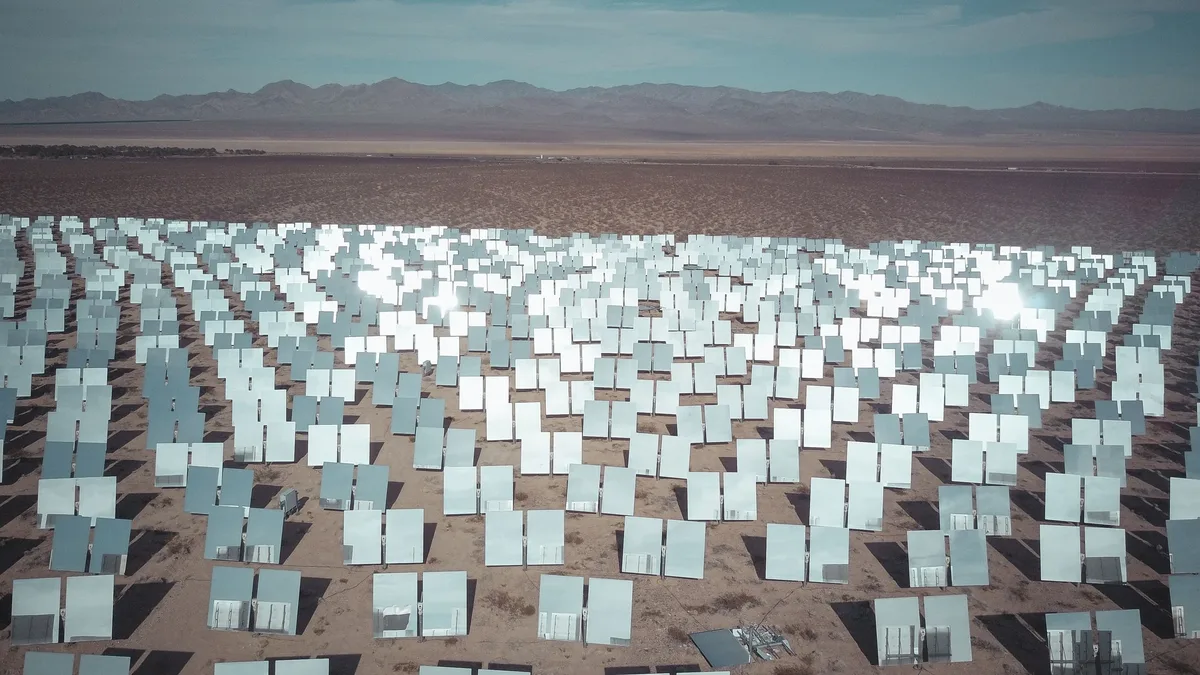
ContourGlobal Breaks Ground on Major Arizona Solar-Plus-Storage Project
ContourGlobal has started building Project Sterling, a 509 MW solar and 1.4 GWh battery facility in Arizona, to supply Tesla with over 1 TWh of clean...
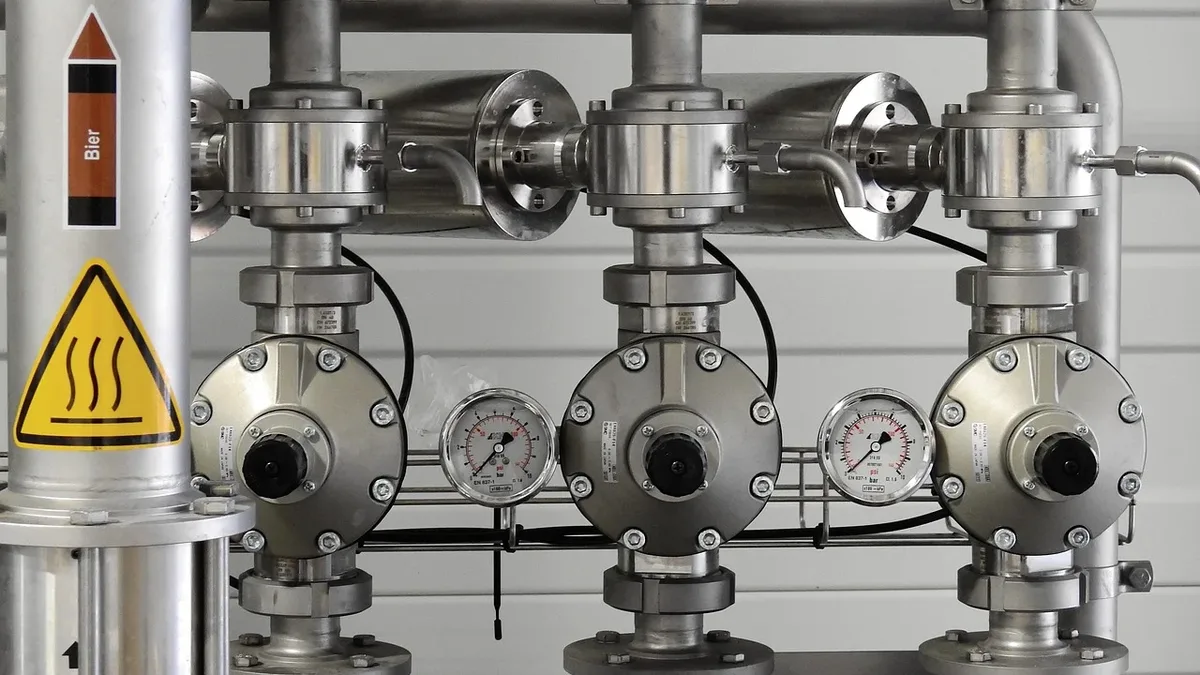
Valve Leaks Pose Major Emissions Risk for Energy Transition
A report from engineering firm Score Group warns that leaking valves in carbon capture, LNG, and gas storage systems are a significant, under-managed...
BayWa r.e. on Europe's shift to flexibility-centric energy
Teresa Casacchia of BayWa r.e. argues Europe's energy transition now hinges on flexibility, with battery storage critical for grid reliability.
ONE Nuclear plans 2.88GW Louisiana project
ONE Nuclear Energy has secured a site in Louisiana for Project Cayman, a 2.88GW natural gas plant paired with a 700MW battery storage system and a...

SLB named reservoir partner for Norwegian Havstjerne CO₂ project
SLB appointed as strategic reservoir partner for the Havstjerne offshore carbon storage project, which will store CO₂ from European industrial...