Valve Leaks Pose Major Emissions Risk for Energy Transition
A report from engineering firm Score Group warns that leaking valves in carbon capture, LNG, and gas storage systems are a significant, under-managed
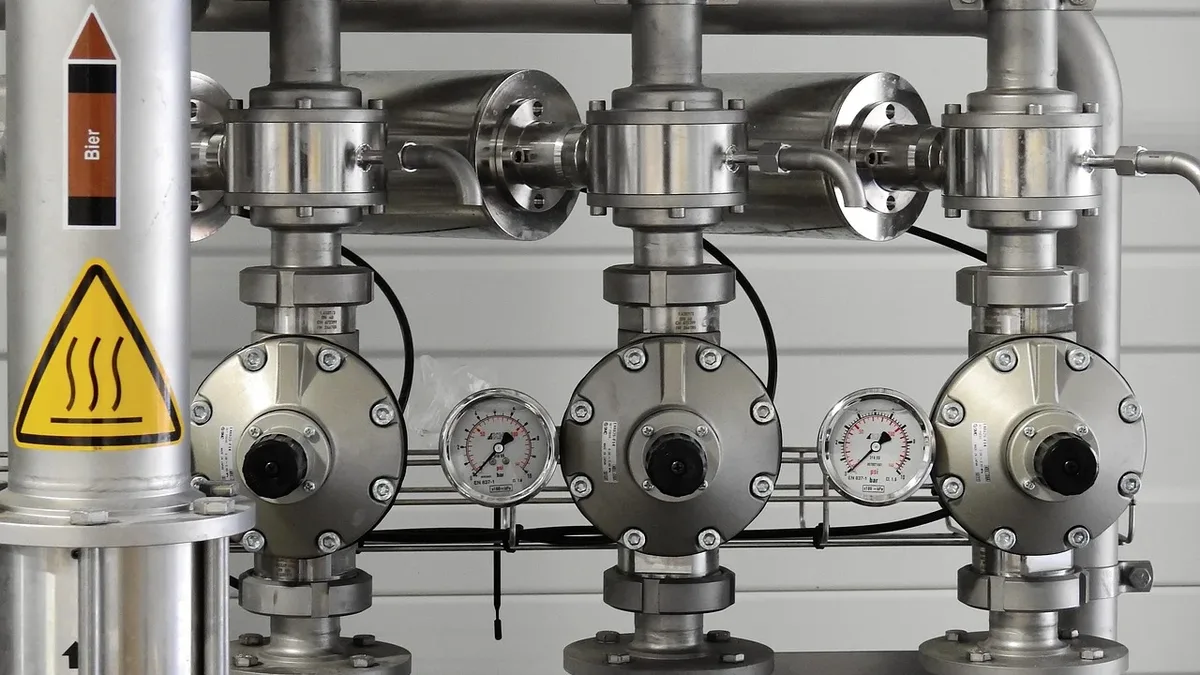
Energy companies investing billions in carbon capture, liquefied natural gas, and underground gas storage face a pervasive emissions risk from faulty valves. Operational data indicates that between 10% and 20% of process valves in global facilities are leaking at any given time, releasing fugitive emissions or allowing product loss.
The Operational Foundation
All energy infrastructure relies on valves for two core functions: containment and isolation. Containment keeps fluids inside pipes, while isolation prevents unintended leakage into vents or flare systems. Failures in these functions lead directly to emissions, lost product, and safety risks. For operators handling hydrocarbons, CO2, or cryogenic LNG, maintaining valve integrity is critical as operations expand and regulations tighten.
Understanding Emissions Exposure
Valve leaks occur through stems, body joints, or passing valve seats. Individual fugitive emissions might be small, but across thousands of valves, the cumulative impact is substantial. Internal seat leakage, where gas escapes to flare or vent systems, is often measured in tonnes, representing both carbon emissions and direct revenue loss. This leakage contributes significantly to operators' reported Scope 1 and methane intensity metrics.
Industry Perspective from the Field
Score Group, which provides valve management services globally, states that leakage patterns are predictable and widespread. "What we consistently see across asset types is that leakage mechanisms are relatively predictable," says Dave Anderson, a valve condition monitoring expert at the firm. Systematic surveys link leaks to common causes like ageing seals, infrequent use, thermal cycling, and corrosion.
This evidence suggests emissions reduction through valve optimisation is operationally demonstrable, not speculative.
A Shift to Proactive Management
Traditional, calendar-based maintenance often allows leaks to persist undetected. A digital valve performance framework introduces a structured alternative with four key elements:
- Structured testing and detection using advanced survey technologies.
- Risk-based prioritisation of leaks by severity and impact.
- In-situ remediation to fix leaks without removing valves, reducing downtime.
- Continuous data insights to enable condition-based maintenance strategies.
This approach transforms valve care from a reactive task into a proactive integrity discipline.
Financial and Environmental Gains
The report argues that stopping emissions aligns with financial performance. Seat leakage means lost saleable product, while fugitive emissions affect regulatory compliance. Field experience indicates focused valve programs can deliver measurable reductions in flare volumes, recovery of lost product, and fewer emergency repairs.
"In multiple facilities, product loss recovered from passing seats alone has justified the cost of adopting a structured emissions management programme within a single budget cycle," Anderson says. For operators balancing performance with environmental commitments, this alignment offers a compelling case.
**Supporting Complex New Systems**
Emerging energy systems like carbon capture and storage (CCUS) introduce new challenges, including dense-phase CO2 service and cryogenic LNG conditions. These environments raise the risks of valve performance degradation. Digital monitoring of valve and actuation systems provides earlier warning of deterioration before it leads to failure or major losses, strengthening predictive maintenance capabilities.
**Converting Data into [Impact](/impacts/)**
With valve populations often vast and spread out, emissions can remain invisible at the portfolio level without structured data. Digitalising survey results gives operators portfolio-wide visibility, prioritised repair schedules, and verifiable reduction metrics. The result is a measurable pathway to cutting Scope 1 emissions using existing infrastructure. The energy transition depends not only on building new systems, but on optimising the performance of the assets already in place.