Pacific islands demand COP31 finance for renewables
At a regional summit in Palau, Pacific Island Forum leaders called for the upcoming COP31 climate conference to deliver funding for renewable energy and
Pacific island nations have demanded that the COP31 climate summit deliver finance for renewable energy and ocean protection. The call came from leaders of the 18-member Pacific Islands Forum, including COP31 co-president Australia, during a week-long summit in Palau's capital, Koror, which ended last Friday.
Palau's President Surangel Whipps Jr. Told the plenary session that delivering on climate and ocean commitments required greater regional leadership and unity. "It will require greater regional leadership, stronger regional coordination and, above all, unity of purpose," he said. The forum's final declaration reaffirmed climate change as the single greatest threat to Pacific peoples' security and wellbeing.
A $14 Billion Renewable Blue Pacific Plan
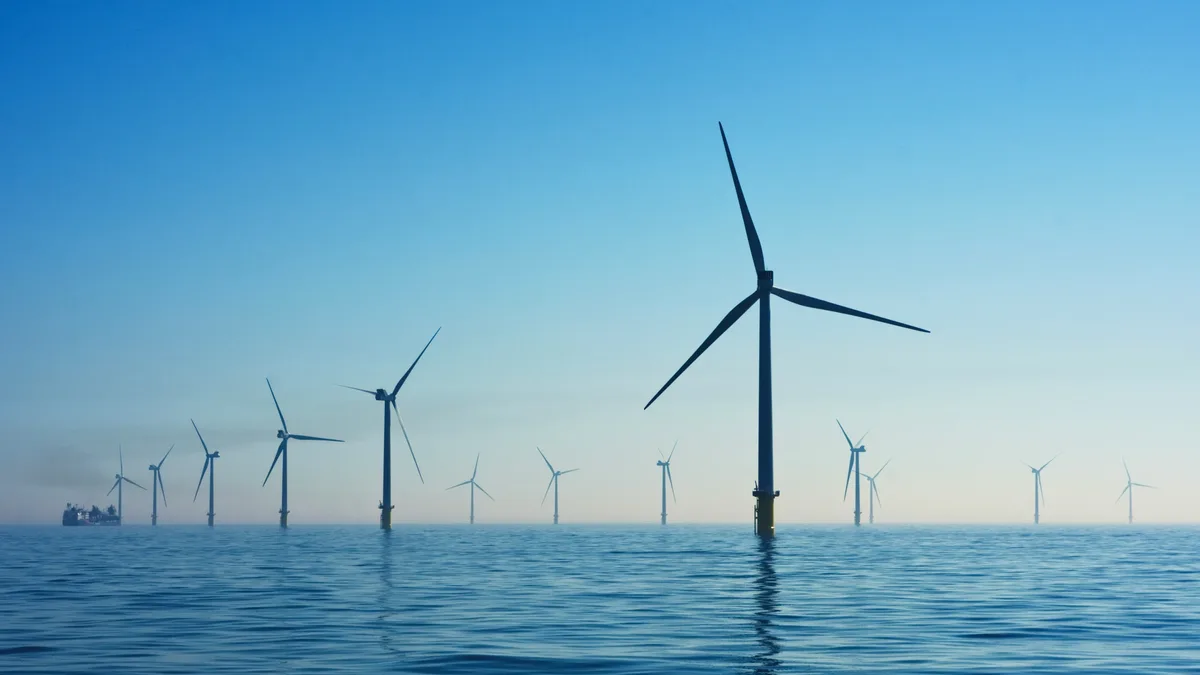
The forum saw the launch of a $14 billion investment plan for a '100% Renewable Blue Pacific'. The plan aims to reduce the region's heavy dependence on costly fossil fuel imports. Specific projects include a $52 million Australian-managed programme for off-grid renewables in remote communities and a $100 million blended finance fund for private-sector wind and solar investments.
A new report from the University of New South Wales states some Pacific countries spend up to a quarter of their GDP importing diesel for power. The investment plan targets adding 2.2 gigawatts of renewable generation and around 9 gigawatt-hours of electricity storage to cut these costs. Australia's Climate Minister and COP31 negotiations president, Chris Bowen, pledged to promote the region's new Pacific Resilience Facility funding mechanism to world leaders at COP31.
Political Momentum for COP31
Leaders aim to build political momentum for COP31 at a preparatory meeting, or pre-COP, in Fiji and Tuvalu from October 5 to 8. Fiji's Climate Minister Lynda Tabuya stated, "Palau is where we build the political mandate. Pre-COP is where we take it to the world." The forum endorsed the Belau Declaration, emphasising the need to keep the 1.5C Paris Agreement goal alive and accelerate the global transition away from fossil fuels.
Tensions emerged over fossil fuels. Vanuatu's Climate Minister Ralph Regenvanu questioned Australia's role in phase-out talks at COP31, noting Australia had just approved a major coal mine extension to 2055. Separately, the forum noted Tuvalu's plans to host a second global conference on transitioning from fossil fuels in April next year.
UN Warns of Sea Level 'Emergency'
As the summit concluded, UN Secretary-General António Guterres released a report warning rising seas are a profound global threat. UN Assistant Secretary-General for Economic Development Navid Hanif presented the findings, calling it an accelerating 'development emergency'.
The report states seas are rising faster than at any point in recorded history, with 2024 setting a record of 5.9 millimetres. It attributes this to human-induced climate change through thermal expansion and ice melt. About 1.2 billion people are exposed to coastal flooding, with some low-lying Pacific islands already facing relocations. Global costs could exceed $1 trillion annually by 2050.
Hanif told journalists that while about half a metre of sea level rise is locked in this century, future choices matter enormously. Think-tank CEO Bill Hare called the report a 'wake-up call' to high-emitting nations. The UN chief is set to host a high-level meeting on the issue next month.