China's industrial energy shift sees clean
A new analysis from energy think-tank Ember finds China's industrial economy is beginning a structural shift from fossil fuels to clean electricity, with
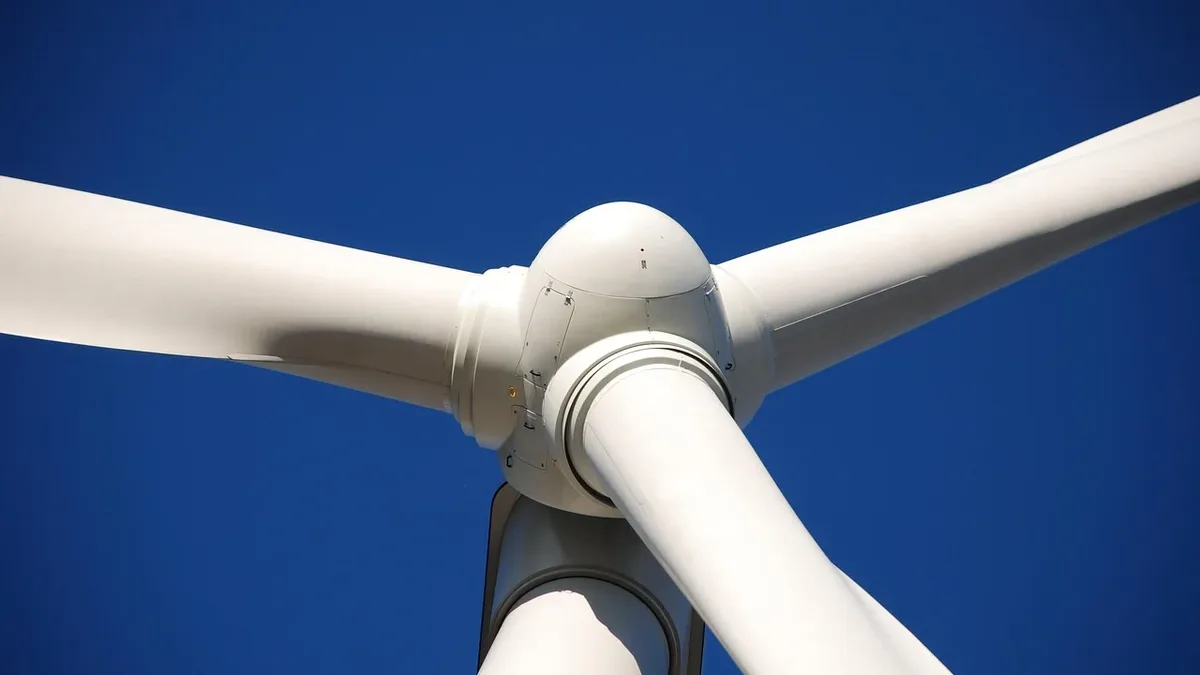
China's industrial energy system is starting a structural transformation, with clean electricity from wind and solar progressively displacing coal, oil and gas. According to a new analysis by the global energy think-tank Ember, clean electricity met all of China's electricity demand growth in 2025, a year when overall demand rose by 5% but coal generation fell for the first time in a decade.
Muyi Yang, a senior energy analyst at Ember and the report's lead author, told Climate Home News that the energy foundation of the Chinese industrial economy is shifting. "Fossil fuels are progressively being replaced in the many functions they have historically assumed," he said. "Because of that, fossil fuel peaking is increasingly coming into view."
Electrification takes hold in industry
Ember's research identifies early signs of change across provinces and industrial sectors. Coal generation stopped growing between 2021 and 2025 in 17 of the 26 provinces and regions analysed. These regions include major industrial centres like Hunan and Shandong and are home to more than half of China's thermal power capacity.
A greater share of China's economy now runs on electricity compared to other major economies. Electricity accounted for 29% of final energy consumption in 2024, compared with about 23% in Europe and 21% in the US. In easier-to-electrify sectors such as machinery, electronics and textiles, electricity now supplies about three-quarters of final energy consumption.
Fossil fuel use has declined from peak levels in eight of eleven tracked industrial sectors. The declines range from 26% to 71% across sectors including fossil fuel extraction, textiles, machinery, food and beverages, transport equipment, and chemical materials. For example, German chemical giant BASF opened a new facility in southern China fully supplied by renewable energy, which it says could have emissions 50% lower than conventional petrochemical plants.
The "growing by greening" dynamic
China's massive clean technology manufacturing sector has become a self-reinforcing engine for economic growth, spurring investment and creating jobs. Yang described this as a "growing-by-greening" dynamic, turning each step of the energy transition into a source of strength for the next.
Li Shuo, director of the China Climate Hub at the Asia Society Policy Institute, compared China's lead in manufacturing clean energy equipment to a thriving rainforest ecosystem, where different parts reinforce one another. The early success in deploying wind and solar drove down electricity costs. This created favourable conditions for rapid electric vehicle adoption, which in turn boosted demand for batteries critical for grid balancing.
An oversupply of renewable energy has incentivised industrial players to use cheap, readily available clean power, encouraging further electrification. This abundance of cheap green energy is making China competitive in areas long seen as anchors of Western competitiveness, according to Li.
Persistent fossil fuel challenges
Despite these shifts, China's huge legacy fossil fuel system persists. The country brought 30 gigawatts of new coal power capacity into operation in the first half of 2026, and coal-fired generation rose by 3% over that period. A further 274 GW of coal capacity is under construction or permitted.
Yang argues this does not mean the transition is losing steam, but that China is grappling with more complex aspects of the shift. A separate analysis by the Centre for Research on Energy and Clean Air found China's CO2 emissions from fossil fuels and cement have plateaued for more than two years after a peak in March 2024. Ember's data shows coal generation, on a 12-month moving average, has been stalling since that peak.
Recent geopolitical events have accelerated certain trends. In the second quarter of 2026, China's CO2 emissions fell by 1% after the country's oil consumption plummeted 9%. This drop was linked to the US-Iran war preventing oil cargo transport through the Strait of Hormuz. The electrification of transport, particularly electric trucks, was the biggest driver in displacing this oil demand.
A lesson in sequencing for other nations
Xunpeng Shi, president of the International Society of Energy Transition Studies, said China's bumpy transition offers a lesson for other countries. "Build quickly enough so that clean electricity can start taking over and prepare for the pressure on the fossil system before it arrives," he advised. For nations heavily reliant on fossil fuel export revenue, a peak in Chinese demand weakens the assumption of rising demand on which long-term investments were based. Shi noted that for them, the time to plan for this shift is now, while revenues remain.