Air Conditioning Essential for Climate Adaptation, Report
A new analysis argues that expanding access to air conditioning is a critical, if energy-intensive, adaptation strategy for billions in hot, developing
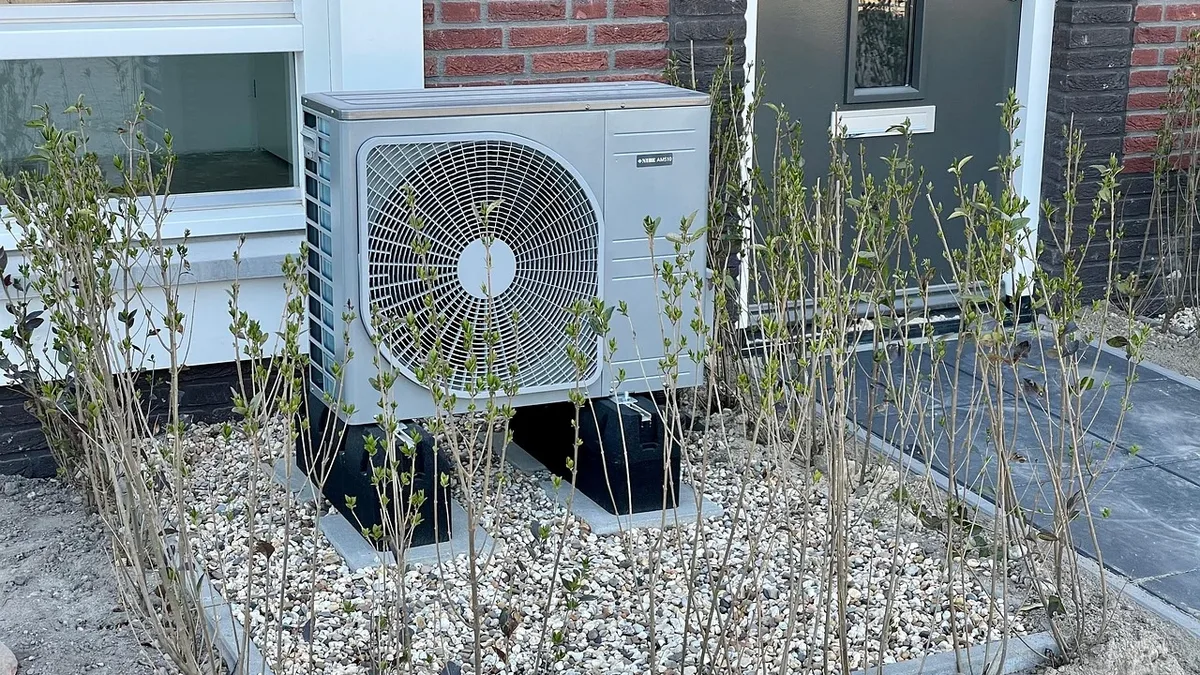
Demand for air conditioning is set to surge as the planet warms, posing a major energy and emissions challenge. The International Energy Agency (IEA) projects the global stock of air conditioners in buildings will rise to 5.6 billion by 2050, up from 2.5 billion today.
Only 8% of the 2.8 billion people living in the world's hottest climates currently have air conditioning, according to the IEA. The agency notes stark disparities in ownership, with households in the US and Japan having cooling, compared to just 9% in Indonesia and 5% in India.
The Escalating Heat Threat
If global temperatures rise more than 3C above pre-industrial averages, one in six of the world's largest cities would face at least one heatwave per year lasting over a month. The World Resources Institute provided this projection. Low-income countries would suffer an average of 6.9 heatwaves annually, and Delhi could endure at least 140 days with temperatures of 35C (95F) or higher.
Even if Paris Agreement targets were met, an estimated 40% to 50% of the population in the world's warmest nations would still require air conditioning by 2050. In India alone, installed units are forecast to jump from 48 million in 2020 to 1.1 billion in 2050.
The Energy and Emissions Dilemma
Meeting this cooling demand will require vast amounts of power. Scientists at Harvard's School of Engineering and Applied Sciences estimate that in India and Indonesia, power demand just for cooling in 2050 could reach 75% of their current total annual electricity consumption.
This surge poses a direct climate challenge. A United Nations report states that energy for cooling accounted for roughly 2.5 billion tons of CO2 equivalent emissions in 2022, about 7% of the global total. Without improved efficiency and passive cooling techniques, these emissions could rise to nearly 8 billion tons by 2050.
Health, Economic, and Ethical Imperatives
The report argues that help AC access is an ethical and practical necessity for climate adaptation. One study of US data found the lethality of days hotter than 27C declined by about 75% from 1900 to 2004, a drop attributed largely to residential air conditioning. "Asking countries not to deploy AC is tantamount to accepting higher mortality," the source states.
Economically, excessive heat reduces labor productivity and student achievement, eroding human capital. Air conditioning mitigates these declines. The analysis warns that campaigns from wealthier nations to limit AC access in developing countries would likely backfire, generating ill-will and hindering cooperation on global climate efforts.
The Path Forward
The ultimate solution, according to the report's perspective, lies in innovation and decarbonized energy. It argues that achieving faster economic growth in hot, poor countries is indispensable for the global climate fight. A richer world with modern cooling will find it easier to fund and deploy zero-carbon energy on a vast scale than a poor, sweltering one. The report concludes that the path to decarbonization requires figuring out how to produce clean energy everywhere, not denying essential cooling to those most vulnerable to heat.