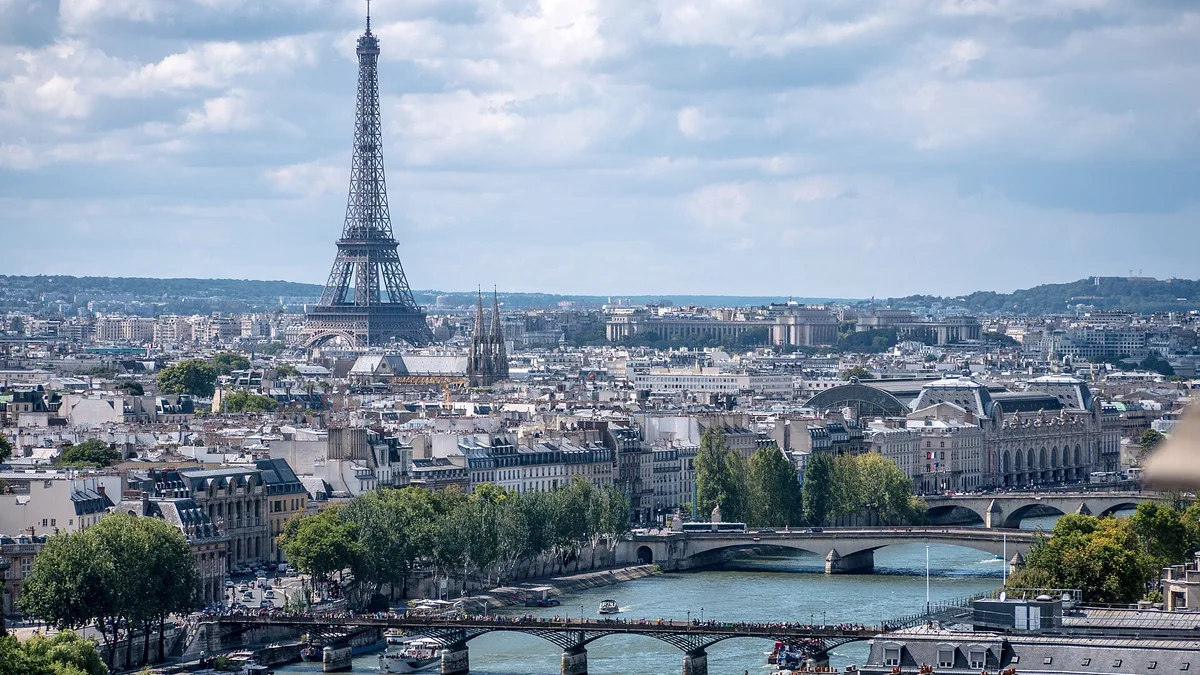
Paris
| Country of origin | France |
|---|---|
| First created | 3rd century BC (as Lutetia) |
| Original use | Settlement of the Parisii tribe |
| Physical evidence | Archaeological remains of Roman forum, baths, and amphitheatre (Arènes de Lutèce) |
| European policy instrument | Cohesion Policy (eligible for European Regional Development Fund support) |
| Administrative status | Capital city of France |
| Geographical feature | Situated on the River Seine |
Origin and history
Paris originated as a settlement of the Celtic Parisii tribe on the Île de la Cité in what is now France. The site was conquered by Roman forces in the first century BC, becoming the Roman town of Lutetia. The settlement expanded onto the left bank of the Seine River during the Roman period, establishing its early urban grid. It took the name Paris in the late Roman era, around the fourth century AD, as the Roman administration weakened. The city solidified its political significance when Clovis I, King of the Franks, made it his capital in the late fifth century. Throughout the medieval period, Paris grew as a center of learning, commerce, and royal power, with the University of Paris founded in the 12th century.
What it is for
Paris functions as the political and administrative capital of France, housing the nation's primary government institutions, including the Presidency, Parliament, and central ministries. It serves as a major global hub for commerce, finance, and culture, hosting the headquarters of international organizations like UNESCO and numerous multinational corporations. The city is a preeminent center for education and research, with a high concentration of universities, Grandes Écoles, and research institutes. It is designed for tourism, being one of the world's most visited destinations, with infrastructure built around monuments like the Eiffel Tower and the Louvre Museum. The city's layout, significantly redesigned in the 19th century, facilitates dense urban living and mass transit through its arrondissement system and Metro network. Furthermore, it acts as a primary European nexus for art, fashion, gastronomy, and intellectual discourse.
Pros and cons
The city's comprehensive and relatively affordable public transportation system, including the Metro, RER, and bus networks, makes navigating the dense urban core efficient for residents and visitors. However, a major and consistent drawback is the high cost of living, particularly for housing, which places severe strain on middle and lower-income residents and can dictate lengthy commutes. The city's popularity leads to severe overcrowding in tourist hotspots and on transit systems, while also contributing to challenges with litter and maintenance in certain districts. Residents often regret the perceived rigidity of certain social and administrative systems, which can be slow to adapt and frustrating to navigate for newcomers. A common mistake for visitors and new residents is underestimating the scale of the city and the time required for travel between points of interest, leading to overly ambitious itineraries.
Who it suits
Paris suits individuals with careers in diplomacy, international business, academia, or the arts, who can leverage the city's global networks and institutional density. It is well-suited to students and researchers attracted by its prestigious universities and libraries, provided they have secured adequate funding or housing assistance to manage costs. The city appeals to those who prioritize walkable, transit-oriented urban living and are willing to accept smaller living spaces in exchange for proximity to amenities and cultural life. It is ideal for tourists and temporary visitors with a strong interest in history, art, and architecture, who are prepared for crowds and plan their visits strategically. Paris is less suited to individuals seeking spacious, affordable housing or a quiet, slow-paced lifestyle without significant financial compromise. It generally suits people who are comfortable in a fast-paced, formal, and historically layered urban environment where navigating bureaucracy is a routine part of life.
Latest Paris news
Latest reporting
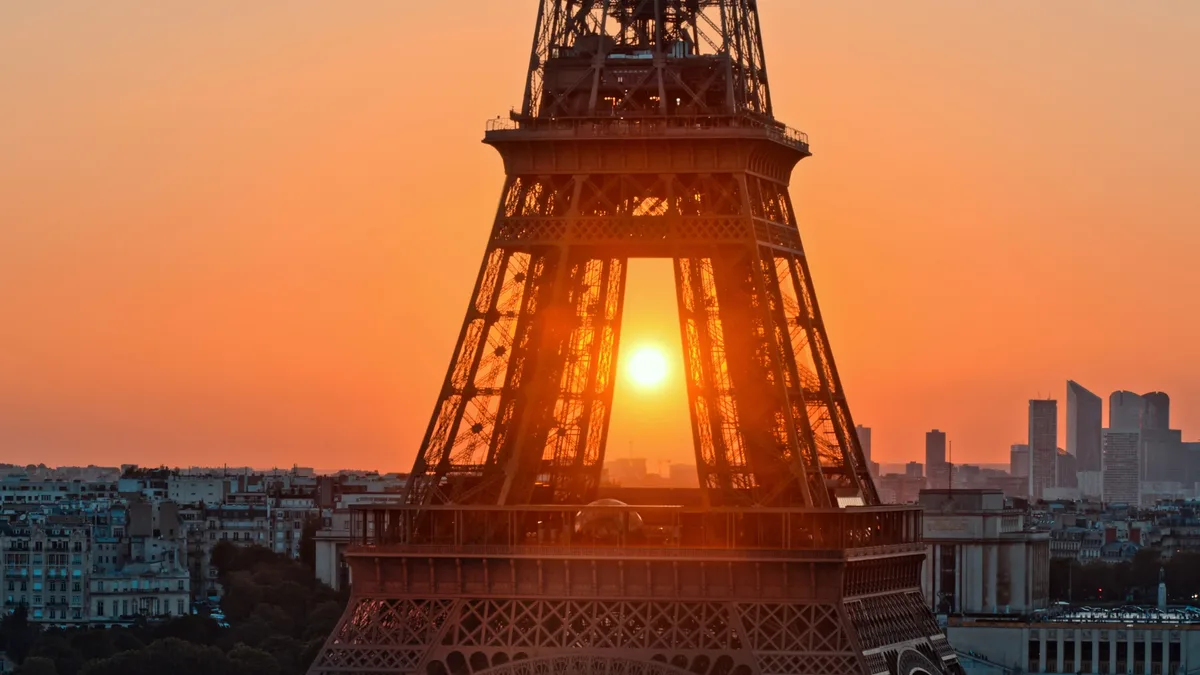
Mayors of Paris, Milan, Phoenix Share Heat Crisis Strategies
The mayors of Paris, Milan, and Phoenix detail their cities' specific policies for adapting to extreme heat, citing it as the deadliest climate...

UNEP: 1.8C Global Heating Now Unavoidable
A UN Environment Programme report states that exceeding the 1.5C Paris Agreement limit is now unavoidable, with at least 1.8C of warming expected.

Methane cuts needed to limit warming to 2C
A study warns that without separate, strong methane cuts, peak warming will exceed 1.85C even with net-zero CO2 goals, threatening Paris Agreement...

CMIP7 Scenarios Narrow Climate Pathways
New CMIP7 climate scenarios project a narrower warming range of 1.6C to 3.3C by 2100. They assume some overshoot of the 1.5C Paris target is...

Quarter of Countries Miss UN Climate Plan Deadline 18 Months On
A UN report reveals 45 countries have failed to submit new national climate plans, breaching Paris Agreement rules, 18 months after the deadline.