Mayors of Paris, Milan, Phoenix Share Heat Crisis Strategies
The mayors of Paris, Milan, and Phoenix detail their cities' specific policies for adapting to extreme heat, citing it as the deadliest climate hazard.
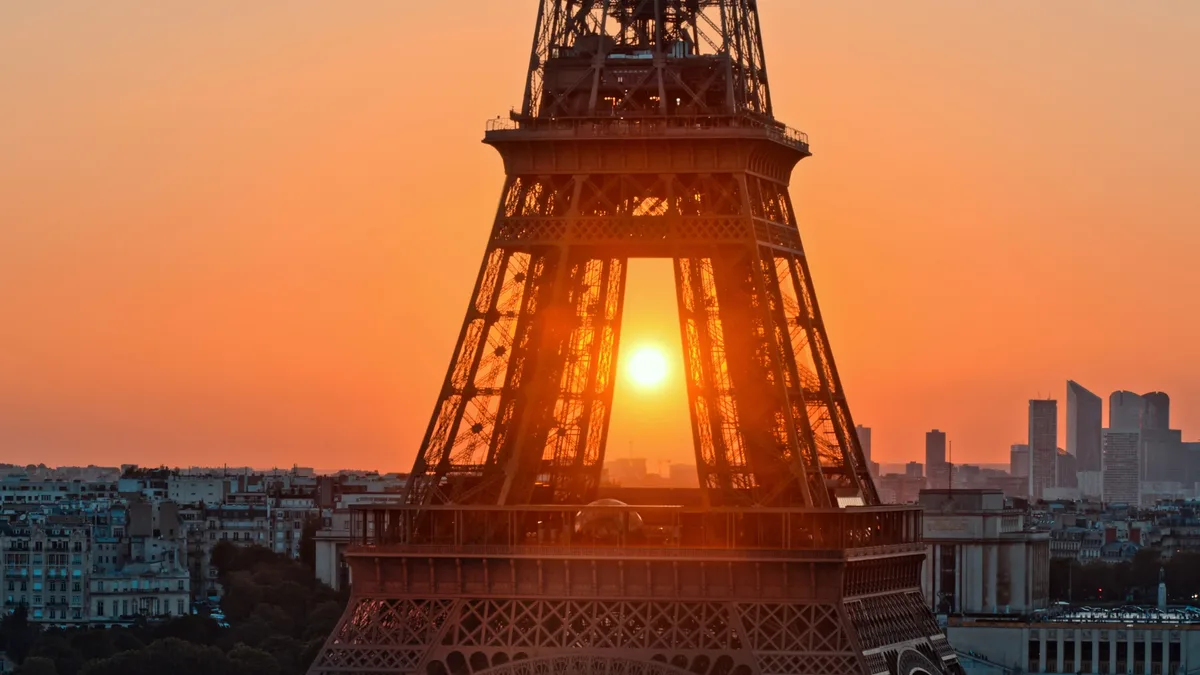
During a recent London heatwave that disrupted climate talks, the mayors of Paris, Milan, and Phoenix convened to compare strategies for protecting millions from extreme heat. They state that rising temperatures, responsible for over 14,000 heat-related deaths in Europe recently, have made extreme heat a defining challenge for urban leadership globally.
Phoenix, facing decades of extreme heat, treats it as a core governance issue influencing transport, housing, and emergency planning. The city operates a dedicated heat response office and has implemented a suite of binding regulations and support programs.
Phoenix's Binding Heat Mitigation Measures
Phoenix mandates specific cooling requirements for new developments and existing infrastructure. Its programs target vulnerable populations directly.
| Measure | Requirement or Scope |
|---|---|
| Shade coverage in new developments | 75% in high pedestrian areas |
| Cool surface treatments applied | Over 300 km of neighborhood streets |
| Required safe indoor temperature for rentals | 28°C (82°F) or lower |
| Heat safety plans | Required for city contractors |
The city also provides a 24-hour cooling center with comprehensive support services. These coordinated measures, according to the mayors, contributed to a 20% year-over-year decline in heat-related 911 calls during Phoenix's record-hot summer of 2024.
European Adaptation: Paris and Milan
Paris and Milan are adapting historic urban landscapes not designed for contemporary heat. Paris has created a network of more than 1,400 "cool spots," ensuring every resident lives within a seven-minute walk of one. The city extends park and pool hours during heatwaves and has mobilized 27,000 climate volunteers for community outreach.
Paris also conducted a "Paris at 50°C" stress test in October 2023 to improve emergency coordination, an exercise that reportedly inspired Barcelona to plan a similar test for 2027.
Milan is integrating cooling into its urban redesign. Inspired by Barcelona and Paris, it is expanding its Piazze Aperte and School Streets programs by planting trees and replacing hard surfaces with permeable green space. The city offers a helpline and support services for elderly and vulnerable residents through its Milano Aiuta program.
Notably, Milan's Air and Climate Plan sets a binding goal to limit local temperature increases to 2°C by 2050. The mayors call this a very ambitious, temperature-specific target rarely seen among cities worldwide.
The Urban Heat Island and a Call to Action
The mayors identify extreme heat as the deadliest climate hazard, claiming over half a million lives annually. They explain that the urban heat island effect, where buildings and pavement absorb and release heat, denies residents nighttime respite. Older adults, children, outdoor workers, and lower-income communities face the greatest risks.
They argue that cooling adaptations are both climate policy and essential public health measures. Also, with heating and cooling using nearly half of Europe's energy-70% of heating from fossil fuels-cities can lead a fair transition to clean energy, cutting emissions and creating jobs.
The mayors contend that cities are first to feel climate impacts but last to get necessary funding and power. They urge national governments to collaborate on adaptation strategies and finance. "Heat is a political crisis that demands bold political action," they write. Their concluding argument is that the climate crisis is rapidly redefining normal, and the exchange of effective ideas between cities must move even faster.