Pacific Forum Seeks Climate Action as 1.5C
Pacific Island leaders at a regional forum are pressing Australia to reaffirm the 1.5C climate goal, as warming nears that threshold and a shift to
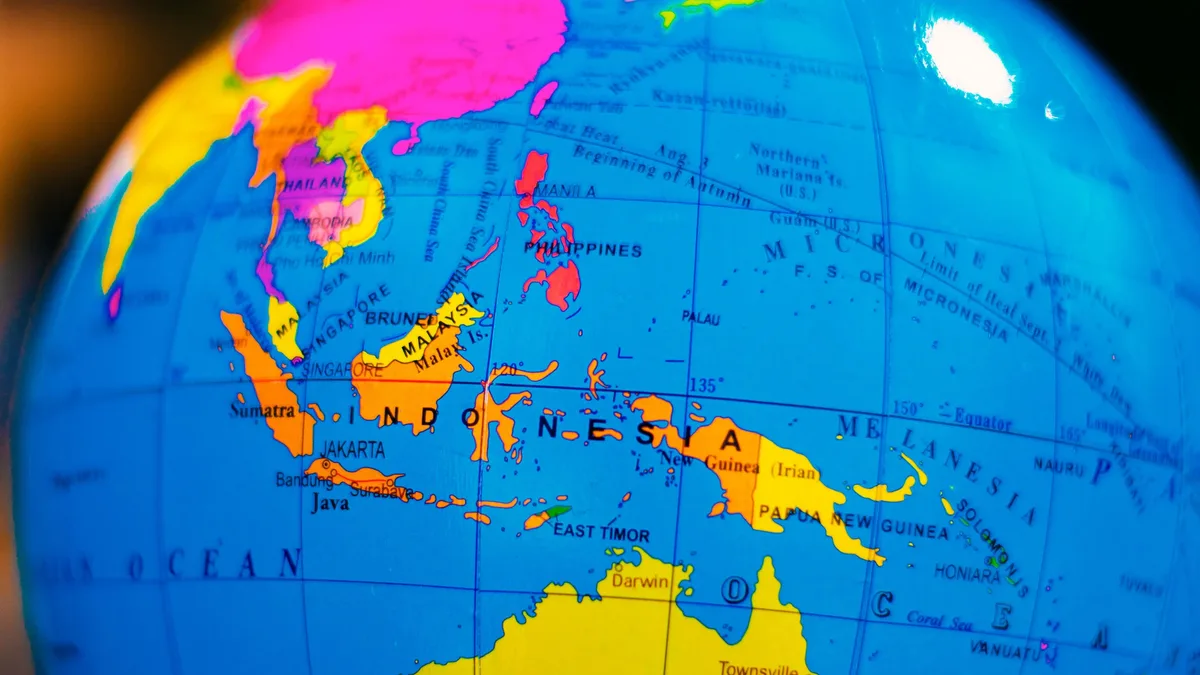
Pacific nations are urging Australia to address climate change as the world's key security threat at the Pacific Islands Forum in Palau. With Earth already 1.45C warmer than the long-term average in 2025, leaders want Australia, as president of the upcoming Cop31 climate talks, to keep the 1.5C temperature goal within reach and secure finance for island nations on the frontline.
Several key leaders are absent from the meeting. Solomon Islands Prime Minister Matthew Wale left Palau abruptly to deal with a leadership challenge at home. The presidents of Kiribati and Vanuatu and the prime minister of Samoa are also not attending, while Fiji's attendance is unclear.
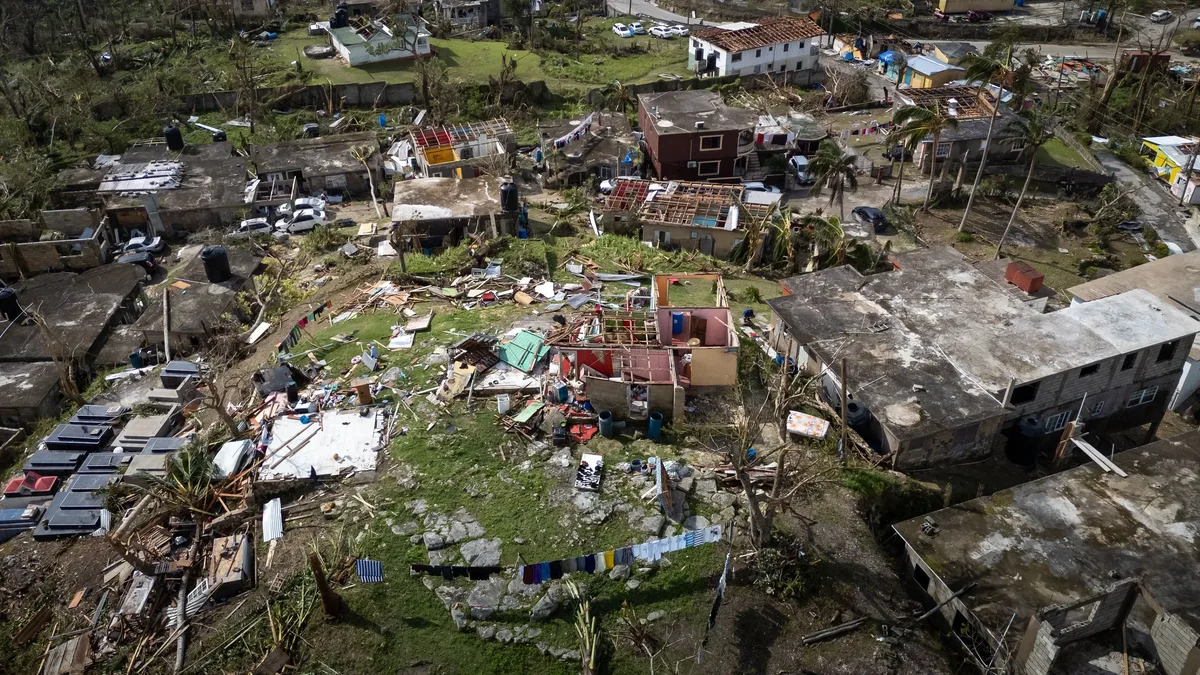
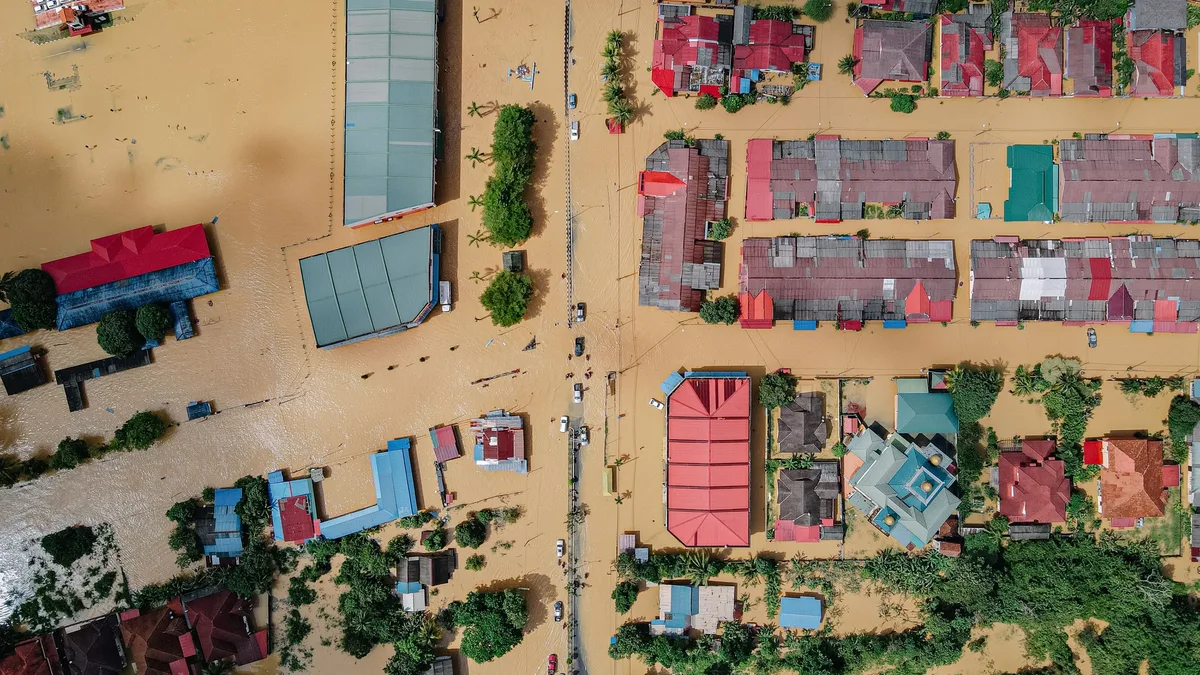
The forum occurs as the world's oceans reach record warmth, fueled by climate change and a rapidly intensifying El Niño event. Pacific countries are experiencing stronger cyclones, dying reefs, and ocean acidification.
The Greatest Threat to Security
Pacific Islands Forum leaders have explicitly reaffirmed that climate change is the single greatest threat to Pacific security. This stance dates to 2007, when Pacific countries first argued at the UN that warming posed a threat no less serious than armed conflict.
Limiting global warming to 1.5C is a critical line for low-lying Pacific nations, encapsulated in the slogan "1.5 to stay alive." Pacific negotiators helped secure this goal in the 2015 Paris agreement. It is now almost certain the world will warm past 1.5C, but limiting warming to 1.5C by the century's end remains possible if deep emissions cuts and carbon dioxide removal achieve "net-negative" emissions after a temporary overshoot.
Pacific nations expect Australia to reaffirm the global commitment to 1.5C. Australia is helping Fiji and Tuvalu host a pre-Cop summit in October to remind world leaders that the survival of island nations is at stake. Countries will also seek new finance for a Pacific-owned climate fund for community adaptation projects.
Renewables as an Economic Solution
The conflict in the Middle East has pushed the Pacific toward an energy crisis, exposing a costly reliance on imported fossil fuels. About 80% of the region's energy relies on imported oil products, much of which transits the Strait of Hormuz. Even before the US-Iran war, Pacific island countries spent between 10% and 25% of their GDP on fossil fuels for power and transport. This compares to a regional average of 8% spent on education and 6% on health.
High oil prices have increased costs. A new report states Fiji's annual refined fuel import costs could rise by US$375m if high prices persist, which is more than Fiji's entire healthcare budget.
Renewable energy offers a clear solution. Replacing diesel generators with grid-scale solar and battery storage could save Pacific countries about US$700m each year in avoided fuel costs. The incoming forum chair, Palau President Surangel Whipps Jr, wants the region to be the first in the world 100% powered by renewables. He says an investment of US$120m is needed for Palau to add 60MW of solar and battery storage, meeting 90% of its power needs with renewables.
Some argue collaboration with the Pacific ahead of Cop31 is costly. But climate action is central to Australian strategy in the region. Investing in Pacific renewables and adaptation is an investment in shared security, even as geopolitical competition between China and the US intensifies. The source for this report is an article by Wesley Morgan, a research associate at the Institute for Climate Risk and Response, UNSW, originally published in The Conversation.