UN Chief Calls for National Fossil Fuel Phase-Out Plans
Outgoing UN Secretary-General António Guterres has urged all governments to adopt national plans with clear timelines for transitioning away from fossil fuels.
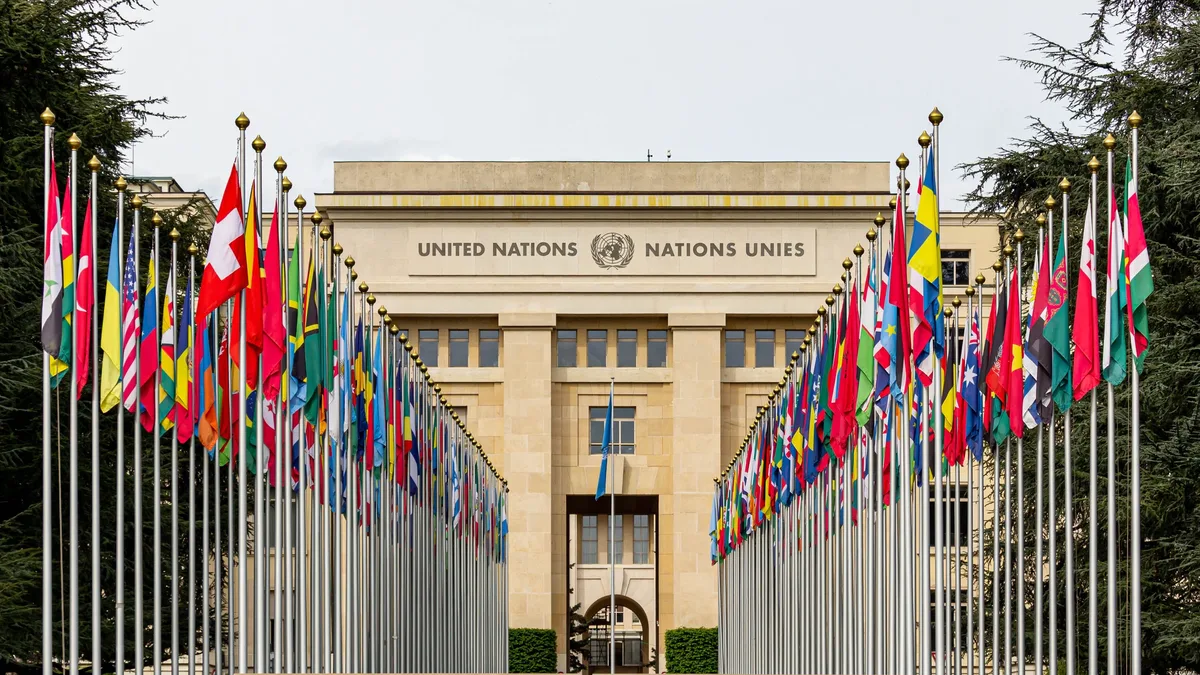
Outgoing UN Secretary-General António Guterres has called on every country to adopt a national plan for phasing out fossil fuel production and consumption. He made the unprecedented demand in his farewell speech to the UN General Assembly in New York on Tuesday, linking the need to rising oil prices and climate shocks.
Guterres said the plans must be aligned with the goal of limiting global warming to 1.5 degrees Celsius. He insisted they include clear timelines and protections for affected workers and communities. The UN chief accused the fossil fuel industry of treating the atmosphere as an open sewer for decades and cashing in on the consequences, including windfall profits after Russia's invasion of Ukraine.
Global Negotiation Stalemate
Governments first agreed to transition away from fossil fuels in energy systems at the COP28 climate summit in Dubai in 2023. Since then, UN climate talks have failed to agree on how to implement that commitment. Efforts have been blocked by large fossil fuel-producing countries. At last year's COP30 summit in Belém, a push by about 80 governments to develop a global roadmap failed. Brazil instead proposed a voluntary reporting process, with a report due ahead of this year's COP31.
Adão Soares Barbosa, climate ambassador from Timor-Leste and chair of the Least Developed Countries group, said discussions must continue at COP31. He argued that developed countries should lead with transition plans. For the poorest nations, reducing fossil fuel use will depend on national circumstances, he added. Samoa's lead negotiator Anna Rasmussen said small island states have outlined energy transition plans but are still waiting for climate finance to implement them.
Early Movers and Hypocrisy
A few countries have developed their own transition plans. France launched the first such plan at an international conference in April, and the Netherlands followed this month. Neither are major fossil fuel producers, and both aim to end coal, oil, and gas consumption by 2050. The Dutch plan faced criticism for lacking specific phase-out dates.
Despite the global push, countries leading climate talks are expanding fossil fuel production. COP31 co-presidents Australia and Türkiye have recently approved new coal, oil, and gas projects. They still depend on fossil fuels for 60% and 56% of their electricity production, respectively. COP30 host Brazil is also pursuing new oil exploration near the mouth of the Amazon River, in the Equatorial Margin. President Luiz Inácio Lula da Silva told the UNGA Brazil would develop a decarbonisation roadmap while continuing to explore new oil reserves.
The Economic Case for Transition
Speaking at Climate Week NYC, Mads Christensen, executive director of Greenpeace International, argued that shifting cost dynamics make a rapid transition financially sensible. He said countries should update their outdated energy plans. According to figures cited by Christensen, gas power generation now costs around 150 euros per megawatt-hour, while solar power with battery storage costs about 50 euros.
| Energy Source | Cost per Megawatt-Hour |
|---|---|
| Gas Power | ~150 euros |
| Solar with Battery Storage | ~50 euros |
Tzeporah Berman, founder of the Fossil Fuel Treaty Initiative, told reporters that the Santa Marta process for transitioning away from fossil fuels could help countries design national roadmaps. She said a global plan is necessary to ensure rules aren't rigged against those trying to do the right thing. The second conference for this process will be held in Tuvalu next spring, co-chaired by Ireland. Tuvalu's climate minister Maina Vakafua Talia urged governments to bring real solutions to his nation, which faces demise from climate change.