Natural feedback loops could add 30% to global warming
A new study warns that emissions from thawing permafrost, wildfires, wetlands, and freshwaters could amplify global heating by 20-30% by 2100, adding 0.2C
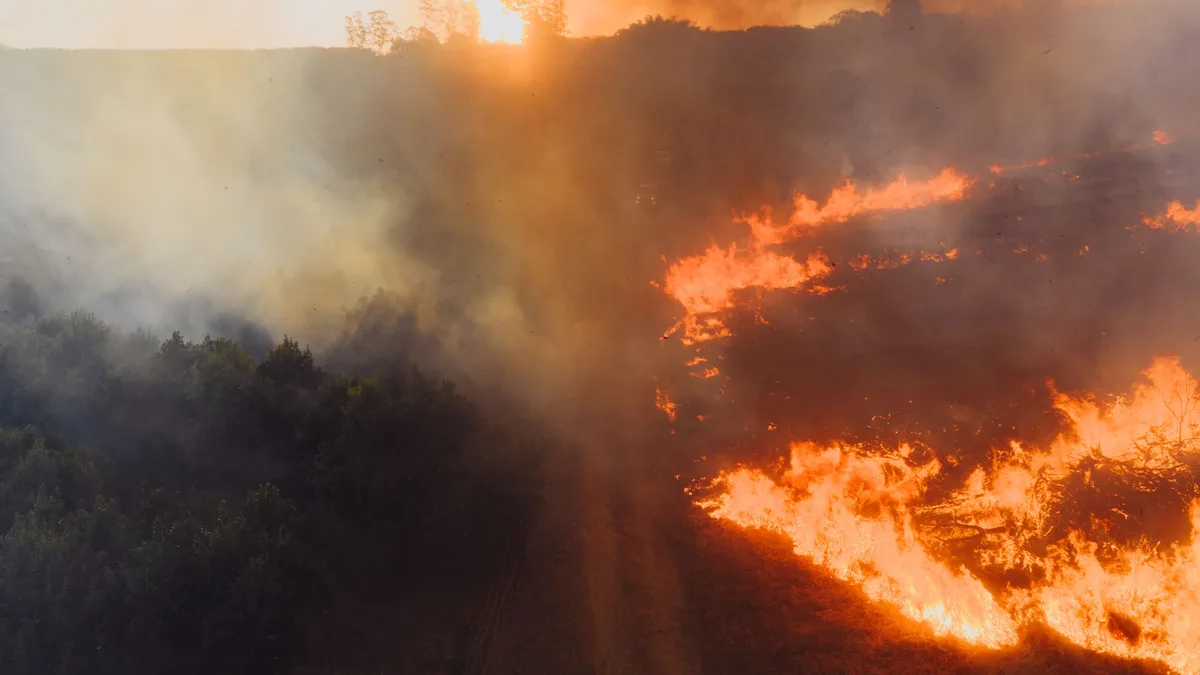
Emissions from natural landscapes could amplify human-caused global heating by as much as 30% by the end of the century, according to a new study published in Environmental Research Letters. This would add between 0.2C and 0.4C to the global average temperature, a significant increase that current climate models largely fail to account for.
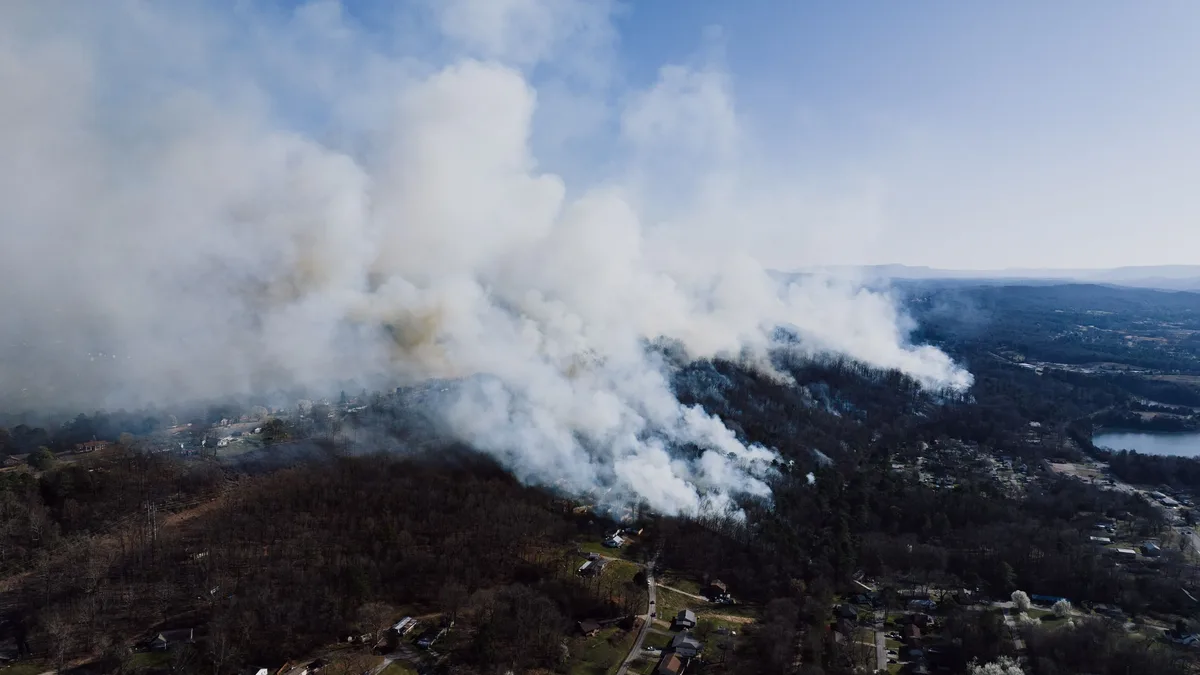
Rising temperatures are transforming forests, wetlands, and tundra, causing them to release stored greenhouse gases. The research, led by Sam Abernethy of Spark Climate Solutions, analyzed four key natural sources: thawing permafrost, wildfires, wetlands, and freshwater bodies like lakes. These changes create 'feedback loops' where warming triggers the release of more planet-heating methane and carbon dioxide, which in turn causes further warming.
The hidden multiplier in climate models
While scientists have long understood these feedback mechanisms, their emissions are often missing from the projections that guide international climate policy. "This hidden multiplier is missing from the models guiding climate policy," said Abernethy. "Those models are likely underestimating how much warming is coming, and overestimating how much carbon we can still afford to emit."
The study co-author Rob Jackson, a Stanford University scientist, stated that the disruption of the world's carbon cycles is now visible in "real time." He called the results a wake-up call, arguing it is imperative they be included in future climate policies. Failure to do so, he added, will make meeting the world's climate goals less likely.
Projected warming from natural sources
The additional warming contributed by these natural sources depends directly on humanity's success in cutting fossil fuel emissions. The study outlines the following projections for extra warming by 2100:
| Emissions Scenario | Additional Warming from Natural Sources |
|---|---|
| Rapid emissions cuts | 0.2°C |
| High emissions scenario | 0.4°C |
This extra heat comes on top of warming directly caused by burning coal, oil, and gas. The United Nations recently conceded that the international goal of limiting temperature rise to 1.5C above pre-industrial levels will be breached in the next few years.
The risk of reinforcing feedbacks
There is long-standing concern that surpassing certain thresholds could trigger catastrophic climate tipping points, such as the large-scale melting of ice sheets or the transformation of the Amazon rainforest. A separate study earlier this year warned the planet is moving closer to such a 'point of no return' for runaway heating.
Bill Ripple, an ecologist at Oregon State University who authored that earlier research but was not involved in this new paper, called the study important. "One of the most troubling aspects of climate change is that warming can trigger natural processes that cause still more warming," he said. He emphasized that while a 'Hothouse Earth' trajectory is not inevitable, the research provides another warning about reinforcing feedbacks that can amplify human-initiated warming.
Current government policies are projected to lead to a global temperature rise of around 2.6C above pre-industrial times, according to Climate Action Tracker. This level of warming is expected to cause severe disruption through sea-level rise, crop losses, and other impacts. The new study shows that every fraction of a degree matters, as more warming risks activating more natural processes that release greenhouse gases. This makes rapid reductions in fossil fuel emissions even more urgent.