Swiss glacier melt in 2026 nears record loss
Swiss glaciers lost 5.5% of their volume in 2026, the second-biggest annual melt on record. Extreme summer heat drove the loss, accelerating a trend that has seen nearly 20% of the nation's ice vanish since 2021.
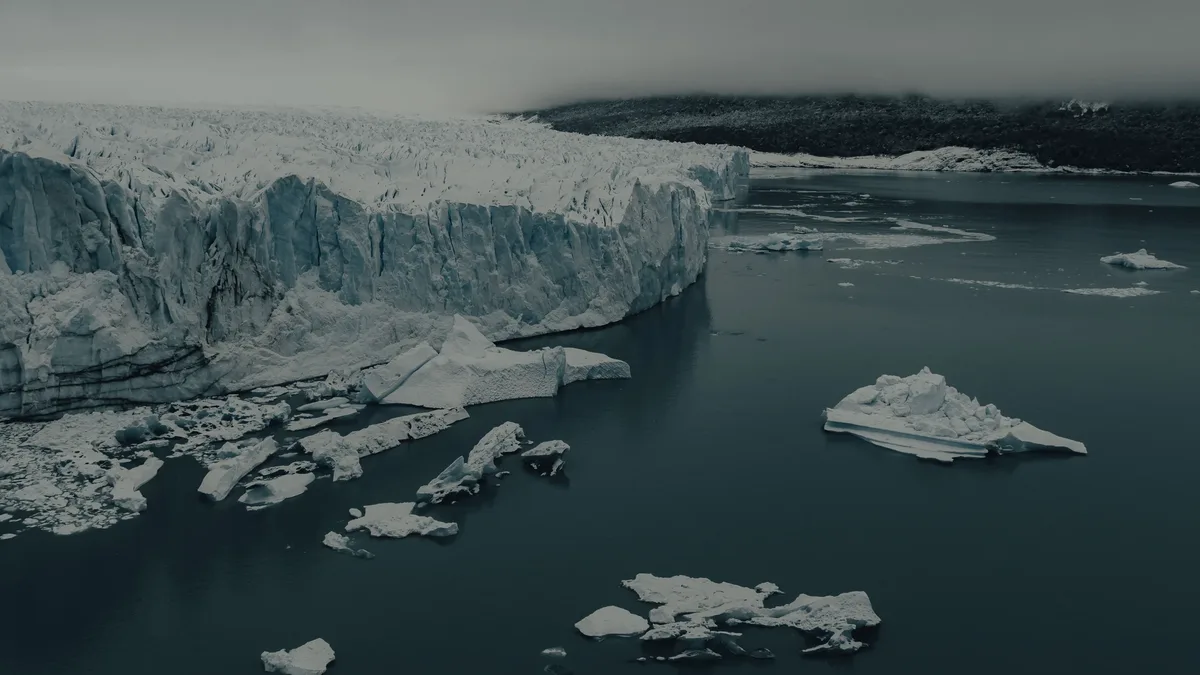
Swiss glacier melt in 2026 resulted in near-record ice loss, shrinking total volume by 5.5 percent. The reduction fell just shy of the record-breaking levels set in 2022.
Extreme heat drove the melt
The summer half-year from April to September 2026 was the hottest and driest since Swiss national records began in 1864. Data from the Swiss Federal Office of Meteorology and Climatology confirmed that June, July, and August each set new temperature highs. This intense heat intensified glacier retreat across the Alps.
Mitigating factors prevented a new record
Greater winter snow cover and limited deposits of Saharan dust on the ice helped modulate the 2026 melt volume. The increased snowpack before summer and the dust-free surfaces, which reflected more sunlight, were key reasons the ice loss did not surpass the 2022 record. Scientists noted these factors slightly mitigated what would have been an even more severe year.
Glaciers are disintegrating from within
The collapse is not solely a surface phenomenon. Researchers observed glaciers failing from the inside out. Subglacial streams of meltwater are excavating caverns beneath the ice, causing structural collapse and accelerating the disintegration process beyond what surface melting alone would cause.
Long-term decline accelerates
Switzerland has lost 19.4 percent of its total glacier ice volume since 2021. The melt rate between 2022 and 2026 was more than twice as high as in any previously monitored five-year period. Over the past decade, 27 percent of the nation's ice volume has disappeared.
The Glacier Monitoring in Switzerland (GLAMOS) network, led by glaciologist Matthias Huss of ETH Zürich, based its findings on measurements at 23 reference glaciers in September. These were extrapolated to nearly 1,300 glacial formations. The mean thickness of individual glaciers fell dramatically.
| Glacier Type | Average Thickness Loss in 2026 |
|---|---|
| Typical glaciers | 2.5 to 4.0 metres |
| More exposed glacier tongues | Up to 10 metres |
Four major glaciers, including the Rhone Glacier and the Aletsch Glacier-the biggest in the Alps-experienced record melting. Protective snow cover vanished completely by September, even at high altitudes. Researchers had to reposition measurement stakes on the highest glaciers after the ice melted at the original locations.
Between July and September 2026 alone, glaciers lost around 2.2 trillion litres of water. Matthias Huss noted that this volume is more than four times the annual freshwater consumption of Swiss households. He described the accelerating trend, stating that retreat rates were at a normal level in the past but are now experiencing a 'complete explosion' leading to disintegration.
The dramatic changes are exemplified by the fate of the Plattalvafirn glacier, which Huss visited in September. Once the subject of detailed global monitoring, it has lost 99 percent of its area in just 20 years. Europe is warming twice as fast as the global average due to fossil fuel pollution and destruction of nature, with alpine regions seeing some of the most dramatic shifts. In response to the declining glacial reservoirs, regional authorities are drafting emergency contingency plans for late-summer water shortages.