England's June 2026 heatwave drove record
Data shows England's ambulance services faced their busiest days on record during the June 2026 heatwave, with life-threatening emergency calls surpassing

All ten of England's NHS ambulance services experienced some of their busiest days ever during the record-breaking June 2026 heatwave. Data obtained by Carbon Brief through freedom-of-information requests reveals that four services, including London's, responded to unprecedented numbers of life-threatening emergencies, while two others recorded their highest-ever volume of 999 calls.
Heatwave triggers record emergencies
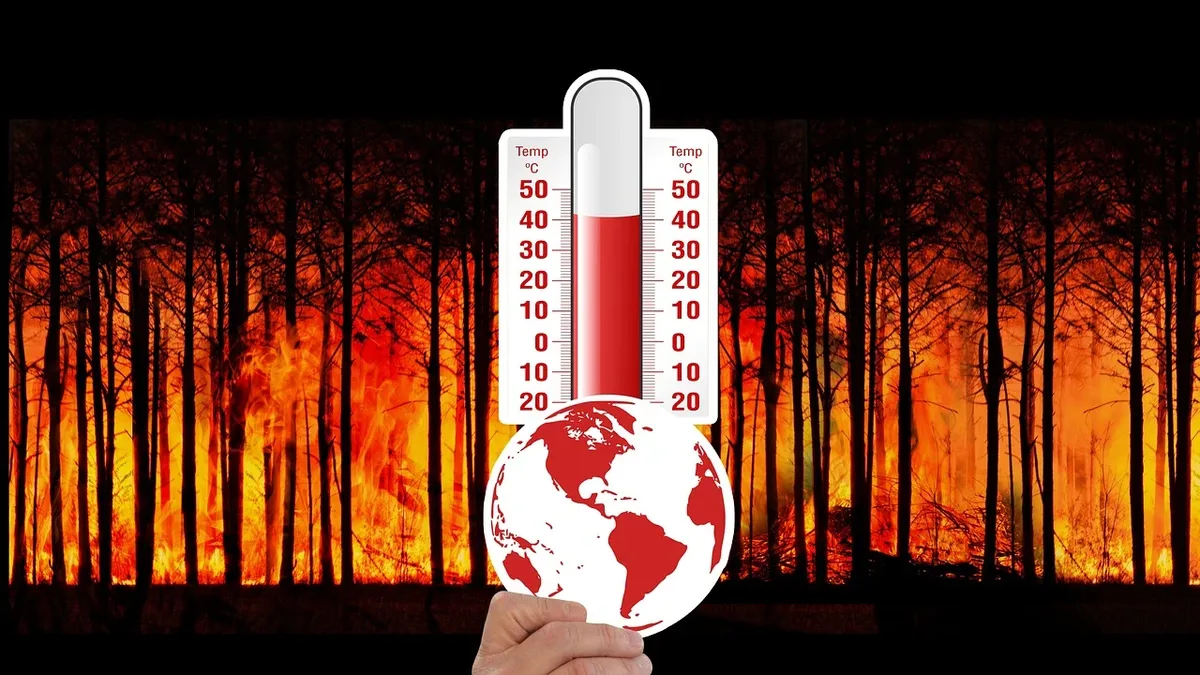
Temperatures climbed past 37 degrees Celsius in parts of England in late June, prompting authorities to issue only the second-ever red extreme heat warning. This alert, covering the Midlands and southern England, signifies a significant risk to life even for healthy people. The five-day period from 23 to 27 June is heavily overrepresented in the rankings of the services' busiest days.
For the South East Coast and South Central ambulance services, the days of 25, 26, and 27 June all saw unprecedented numbers of category 1 callouts, which are for life-threatening incidents like heart attacks. London and North East ambulance services also reported daily records for responding to such emergencies during the heatwave.
| Ambulance Service | Record Type | Date of Record |
|---|---|---|
| South East Coast | Category 1 callouts | 25, 26, 27 June 2026 |
| South Central | Category 1 callouts | 25, 26, 27 June 2026 |
| South Western | Total 999 calls | 26 June 2026 |
| East of England | Total 999 calls | 26 June 2026 |
Surpassing winter and pandemic pressure
Ambulance demand is typically highest in winter due to cold weather and seasonal illnesses. The new data shows that extreme heat is now creating comparable or even greater pressure. On 26 June, the heatwave's peak, ambulances across England responded to 4,084 life-threatening emergencies. The average daily volume for such incidents in summer is normally around 2,500.
Stu Holliday, head of emergency preparedness at the North East Ambulance Service, explained the impact. "During periods of hot weather, we typically see an increase in calls from people affected by dehydration, heat exhaustion and heatstroke," he told Carbon Brief. He noted that existing heart and respiratory conditions can worsen, with older people, young children, and pregnant individuals being especially vulnerable.
While not every service provided data back to 2019, the information broadly indicates that ambulances were busier during this heatwave than at the height of the Covid-19 pandemic. Rising annual demand, driven by an ageing population and more complex health conditions, means most of the all-time busiest days for ambulances have occurred in the 2020s.
Systemic strain and worker impacts
The strain extended beyond patient numbers. The UNISON union warned of ambulance crews facing "stifling heat with faulty or no air conditioning" and back-to-back callouts due to the increased demand. Researchers have calculated that there were nearly 3,000 heat-related deaths in the UK during the summer of 2026, alongside unprecedented demand for accident and emergency departments.
In Scotland and Northern Ireland, where temperatures were cooler, ambulance services did not see call volumes reach their top 50 rankings during the June heatwave. The Welsh Ambulance Service did not respond to the data request. For England, the trend is clear: 2026 is on track to be a record year for ambulance demand, with the summer heatwave setting new benchmarks for emergency pressure.