India's power sector emissions flatline for two years
A new analysis shows India's power sector CO2 emissions have not grown for two years, a first in over 50 years, as a clean energy surge met all rising
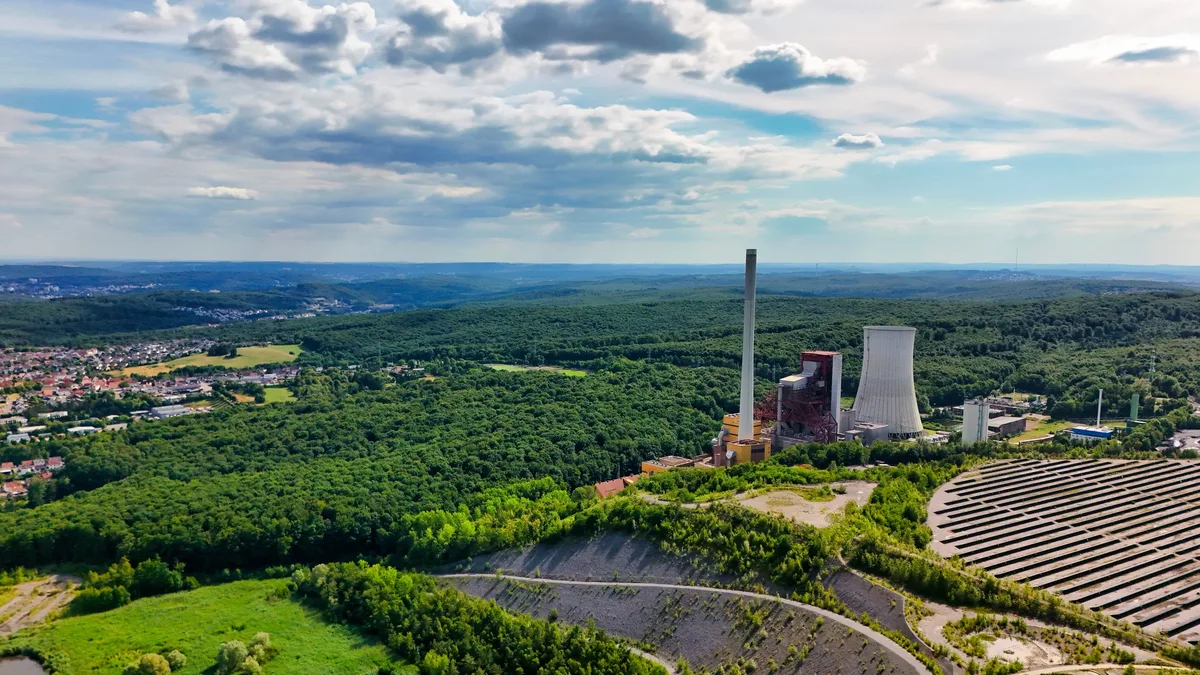
India's carbon dioxide emissions from its power sector have remained flat for two consecutive years, according to a new analysis from the Centre for Research on Energy and Clean Air (CREA). This stagnation, from the first half of 2024 to the first half of 2026, marks the first time in more than 50 years that coal power generation has not grown over a two-year period despite rising electricity demand.
Lauri Myllyvirta and Anubha Aggarwal, analysts at CREA, found that clean energy sources met the entirety of India's 7% increase in electricity demand over those two years. The additional 63 terawatt hours required was equivalent to the total electricity demand of Switzerland. Nevertheless, India's total CO2 emissions still grew by 3.7% year-on-year in the first half of 2026, driven by increases from the steel, cement, and other industrial sectors.
Clean energy meets demand growth
The period saw the largest recorded increase in non-fossil power generation in India's history. Solar power was the dominant contributor, adding 44 terawatt hours of generation. Other clean sources also expanded significantly.
| Energy Source | Increase in Generation (TWh) |
|---|---|
| Solar | 44 |
| Wind | 13 |
| Hydro | 8 |
| Nuclear | 7 |
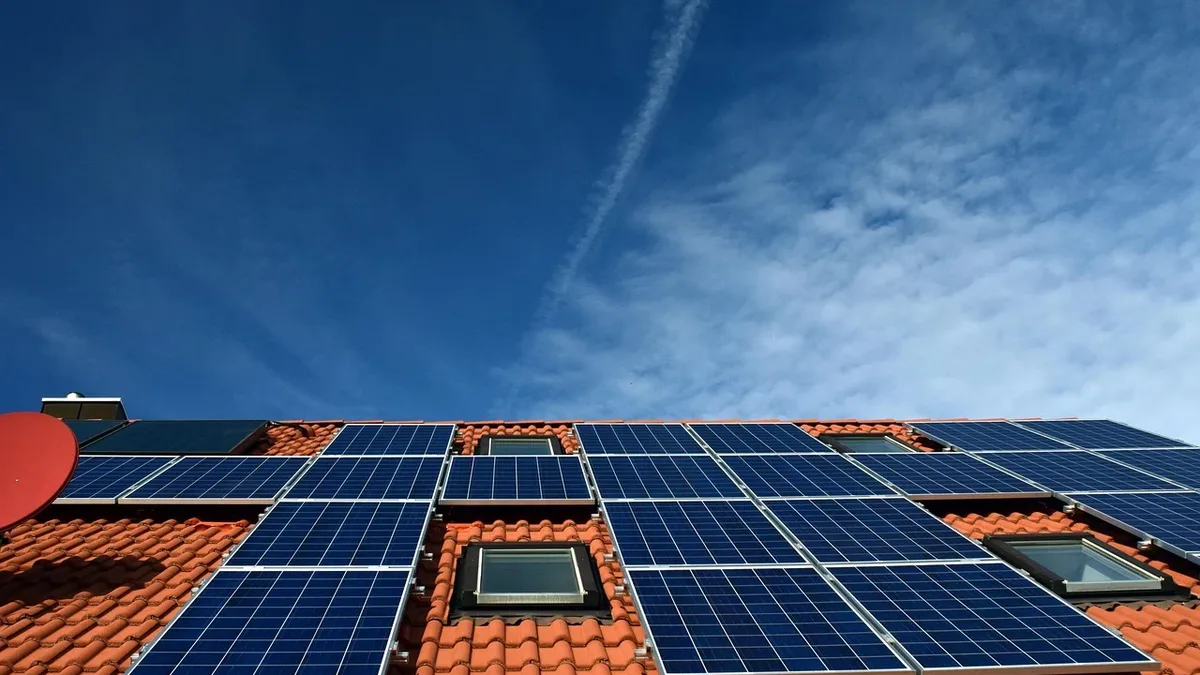
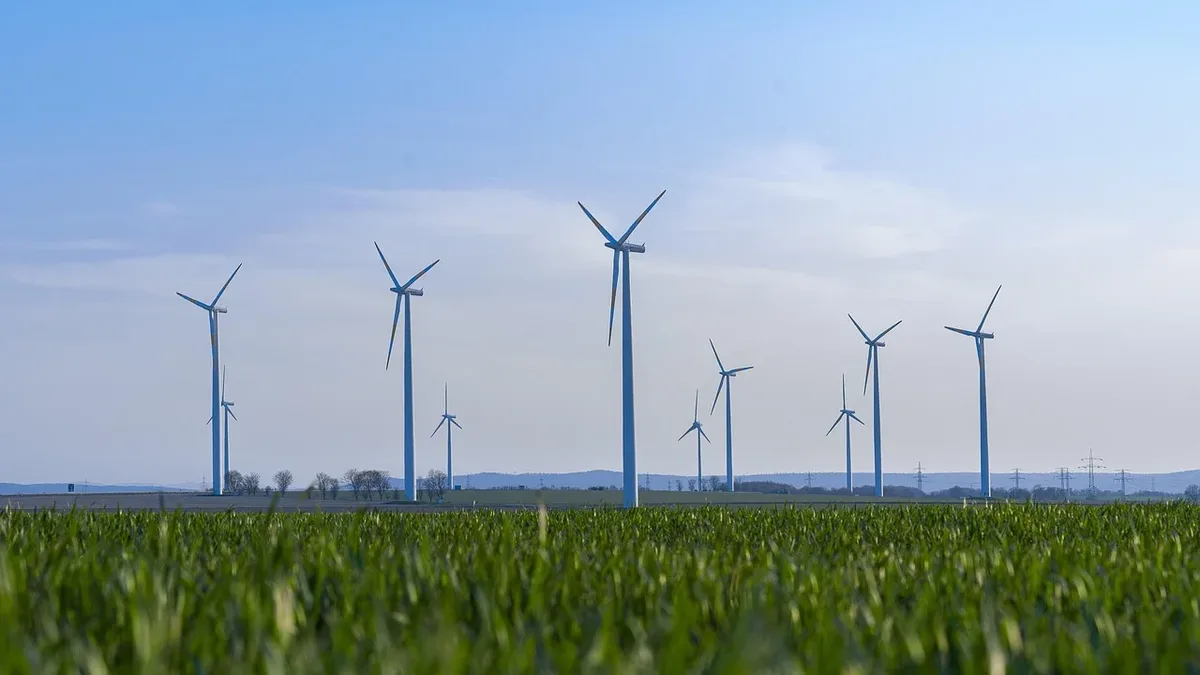
Together, these sources added 70 terawatt hours, more than the net increase in national demand. India added 77 gigawatts of new solar capacity over the two years, which alone met 60% of the rise in electricity demand. The analysts note that, for comparison, China's nuclear, wind, and solar output increased by 485 terawatt hours in the single year of 2025.
One factor boosting electricity demand in 2026 was the El Niño climate pattern, which delayed monsoons and intensified heatwaves, driving up demand for cooling. Despite the clean energy surge, the fossil fuel industry continued major capital investments, including adding 8.5 gigawatts of new coal capacity. This has led to fewer running hours for coal plants and increased costs for electricity consumers.
Diverging sectoral trends
Beyond the power sector, India's key emitting sectors showed sharply different trajectories in the first half of 2026. Emissions from oil and gas fell by 7% year-on-year, extending a reduction that began in 2025. This decline occurred despite higher demand for road transport fuels like diesel and petrol.
Oil consumption overall fell 1.3% year-on-year. Growth in diesel and petrol use was offset by declines in liquefied petroleum gas, petcoke, and industrial feedstocks. A significant increase in ethanol blending, which reached a 20% target five years ahead of schedule, shaved a full percentage point off petrol consumption growth. Electric vehicle adoption is also gaining momentum.
In stark contrast, emissions from steel and cement grew by 8% year-on-year. These sectors now account for a 23% share of India's total CO2 emissions. The report states that India lags behind most large emerging economies in electrifying its industrial sector. Faster progress there would allow clean electricity to substitute for fossil fuels in industry, offering a path to cut overall emissions.
State-level leadership
The reduction in fossil-fuel power generation was concentrated in a few states. Gujarat saw both the largest reduction in fossil-fuel generation and the largest expansion in clean power. After Gujarat, the largest increases in clean-power generation were seen in Rajasthan and Tamil Nadu, which also reduced their fossil-fuel power output.
Some states, including Madhya Pradesh, West Bengal, and Punjab, saw declines in fossil-fuel generation due to higher net imports of electricity rather than local clean power expansion. The two states with the largest increases in power demand, Maharashtra and Telangana, nearly matched the rise with growth in their own clean-power generation.
The storage challenge
If the pace of clean-energy expansion is to continue, India will need to upgrade its electricity grid and rapidly build out energy storage. The National Electricity Plan projects a requirement of 82 gigawatt-hours of energy storage capacity by 2026-27 and 411 gigawatt-hours by 2031-32.
As of May 2026, the government had issued tenders for around 272 gigawatt-hours of storage capacity. Current operational capacity is significantly lower, with 7.5 gigawatt-hours of battery storage and around 60 gigawatt-hours of pumped hydro storage in place. The analysis concludes that boosting the flexibility of the remaining coal power fleet will also be key for integrating more variable renewable energy.