Bristol Council to cut emissions with heat
Bristol City Council is upgrading three public buildings with air source heat pumps and solar panels, a project expected to save 28 tonnes of CO2e
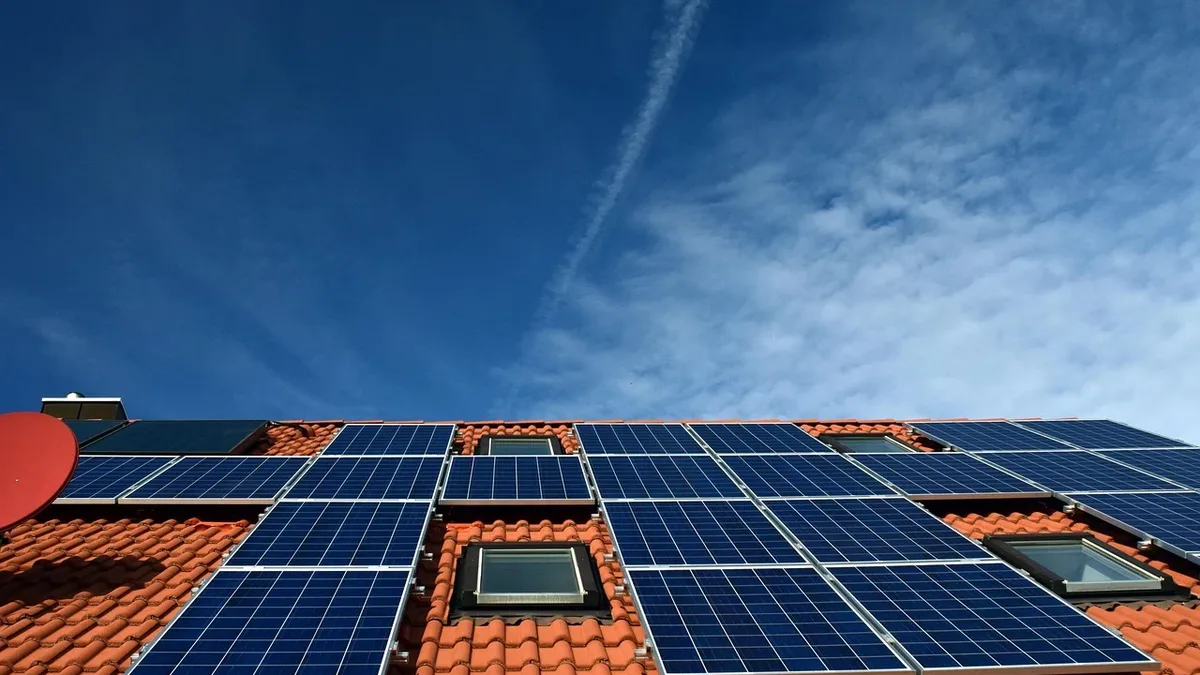
Bristol City Council will install air source heat pumps and solar panels in three of its buildings. The project, delivered by the Bristol City Leap partnership, aims to cut annual carbon emissions by approximately 28 tonnes of CO2e.
The work targets Belbrook Children’s Respite Unit, Ridingleaze House, and Symes House. These sites were chosen from among the 30 highest carbon-emitting buildings in the council's corporate estate and were deemed suitable for government-backed decarbonisation funding.
Project Details and Expected Savings
The upgrades are forecast to reduce energy use by 154,008 kilowatt-hours each year. According to council estimates, this carbon saving is equivalent to taking about 19 average petrol cars off the road for a year. The energy saving matches the annual electricity consumption of roughly 57 typical UK homes.
Beyond emissions, the council stated that reducing dependence on fossil fuels and replacing old heating systems will lessen exposure to volatile energy costs. This helps ensure buildings that provide essential services remain reliable.
Funding and Delivery Partners
Financial support comes from the council's own Decarbonisation Fund and the national Public Sector Decarbonisation Scheme. Additional funding was raised through the Bristol Climate Action Investment programme, which secured £2 million from local residents and businesses in 2025.
The contractor for the work is Bristol City Leap, which is powered by the energy services company Ameresco.
Specific Building Improvements
At Belbrook Children’s Respite Unit, which offers short breaks for disabled children and families, the heating upgrade will be accompanied by a rooftop solar array, new LED lighting, and extra loft insulation. These measures are intended to slash energy consumption and improve thermal performance.
For Ridingleaze House and Symes House, both used by Children and Young People Services, ageing boiler systems will be replaced with air source heat pumps. Associated upgrades will include new pipes, radiators, and heating controls.
The Wider Bristol City Leap Programme
This initiative is a component of the larger Bristol City Leap partnership between the council and private delivery partners. The wider programme, launched in 2023 with an initial value of £1 billion, has a revised five-year business plan worth £750 million covering 2024 to 2029.
Bristol City Leap expects to deploy nearly 200 megawatts of low-carbon energy generation infrastructure by 2028. Its goals include cutting carbon emissions by around 140,000 tonnes and achieving net-zero emissions for the city by 2030. The broader plan also encompasses electric vehicle charging infrastructure, social housing retrofits, clean energy projects in schools, and an expansion of the Bristol Heat Network.
Councillor Abi Finch, chair of the environment and sustainability committee at Bristol City Council, commented on the project. "We’re pleased to announce that works to install energy efficiency improvements are soon underway," Finch said. "These upgrades are another important step in Bristol’s journey towards a cleaner, net-zero future."
The council reiterated its commitment to delivering practical change in the buildings relied upon by staff, residents, and families.