21 States Sue EPA Over Power Plant Emissions Rule Repeal
A coalition of 21 states, cities, and counties has sued the Trump administration for repealing Biden-era greenhouse gas limits for power plants.
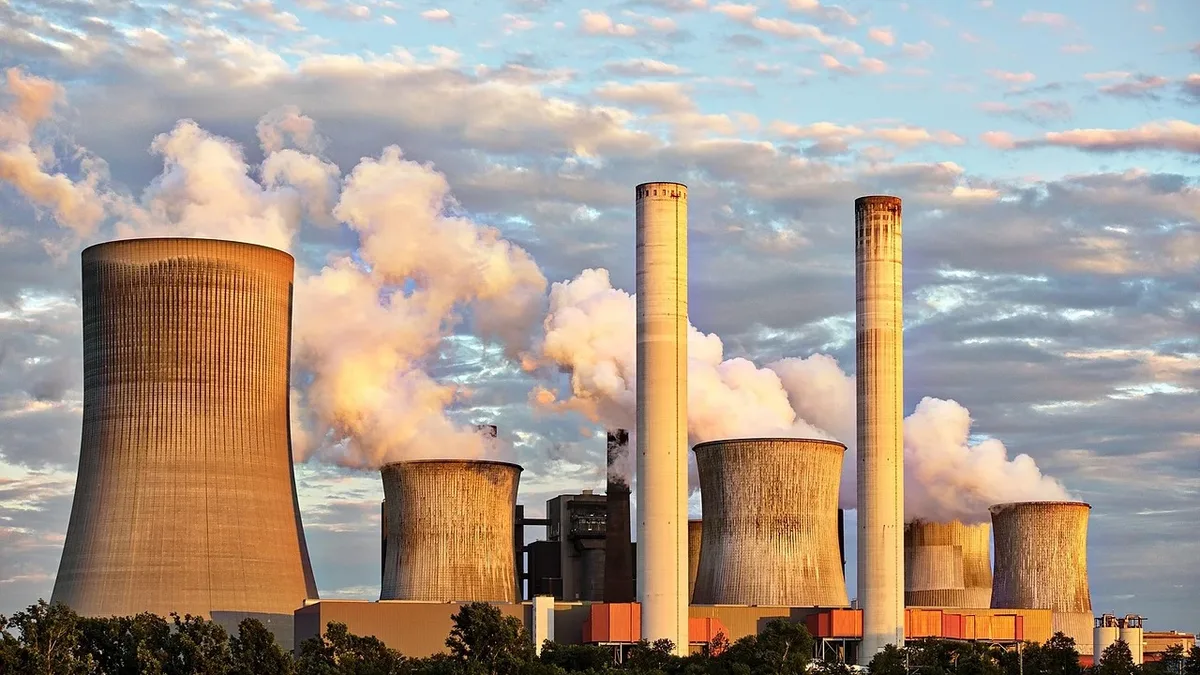
Twenty-one states, led by New York, sued the Trump administration on Thursday for repealing EPA rules that limit greenhouse gas emissions from coal- and natural gas-fired power plants. The coalition, which includes California, Chicago, Denver, and Pennsylvania's governor, filed a petition for review in the U.S. Court of Appeals for the District of Columbia Circuit.
More than twenty Democratic attorneys general are challenging the Environmental Protection Agency and its administrator, Lee Zeldin. The state of New York and the mayor of New York City are both plaintiffs. The attorneys general for Arizona, Colorado, Connecticut, Delaware, Hawaii, Illinois, Maine, Maryland, Massachusetts, Michigan, Minnesota, New Jersey, North Carolina, Oregon, Rhode Island, Vermont, Washington, Wisconsin and the District of Columbia are also part of the lawsuit.
Legal and procedural basis of the challenge
The coalition argues the EPA unlawfully repealed greenhouse gas standards for power plants without considering alternatives or health and climate impacts, violating the Clean Air Act. The lawsuit alleges the agency's rescission of the Biden-era rules last month was illegal.
The complaint says repealing emissions controls from coal, oil and gas-fired power plants violates federal law. The plaintiffs are asking the court to restore the EPA’s greenhouse gas emissions standards. They also say they intend to sue over the EPA’s failure to regulate pollution from many gas-fired plants.
EPA’s justification and administration stance
The EPA claims the repeal will save over $300 billion in industry costs and protect American energy affordability. When announcing the move, the agency estimated the rollback would save $310 billion, mostly in costs power companies would no longer need to pay to reduce emissions.
EPA Administrator Lee Zeldin said the action would lower electricity prices. "The Trump administration has come in to protect American energy and to make sure you can afford to keep the lights on," Zeldin stated. Americans will see a decrease in electricity prices, he said. An EPA spokesperson told reporters it does not comment on pending litigation.
State and attorney general responses
Attorneys general have criticized the rollback as reckless and harmful. New York Attorney General Letitia James said the federal government is showing 'callous disregard' for Americans’ health and the environment. She said future generations will pay the price.
Letitia James said dismantling protections is a betrayal of American families. "I’m suing to stop this administration from giving the nation’s biggest polluters a free pass," she wrote. Wisconsin Attorney General Josh Kaul also criticized the decision. California Attorney General Rob Bonta said failing to control emissions would increase heat waves, wildfires, severe storms, flooding, disease, and air pollution.
Broader context of power sector emissions and climate litigation
Power plants remain a major source of U.S. Greenhouse gas emissions, second only to transportation. In 2022, the EPA estimated U.S. Electric power plants accounted for 24% of total domestic carbon dioxide emissions from fuel combustion. Transportation accounts for 29%.
About 60% of U.S. Electricity generation came from fossil fuels in 2023. The rest came from nuclear and renewable sources.
| Energy Source | Share of U.S. Electricity Generation (2023) |
|---|---|
| Fossil Fuels | 60% |
| Nuclear | 19% |
| Renewables | 21% |
This lawsuit is part of a growing wave of climate litigation with billions at stake. The Supreme Court is preparing to hear a landmark climate case on Monday. That case involves Boulder, Colorado suing oil and gas companies for climate damages.
The power plant rule was first proposed last year. Its repeal represents a shift from Democratic efforts to regulate greenhouse gases. A separate rule proposed last month could prevent future administrations from regulating power plant emissions. That proposal is expected to be finalized next year.
The coalition is asking the court to restore the EPA’s greenhouse gas emissions standards for power plants.