UN warns of Himalayan glacial flood risks
A UN official warns millions are at risk from Himalayan glacial floods, after a disaster killed over 1,000 and cut 10% of Nepal's power.
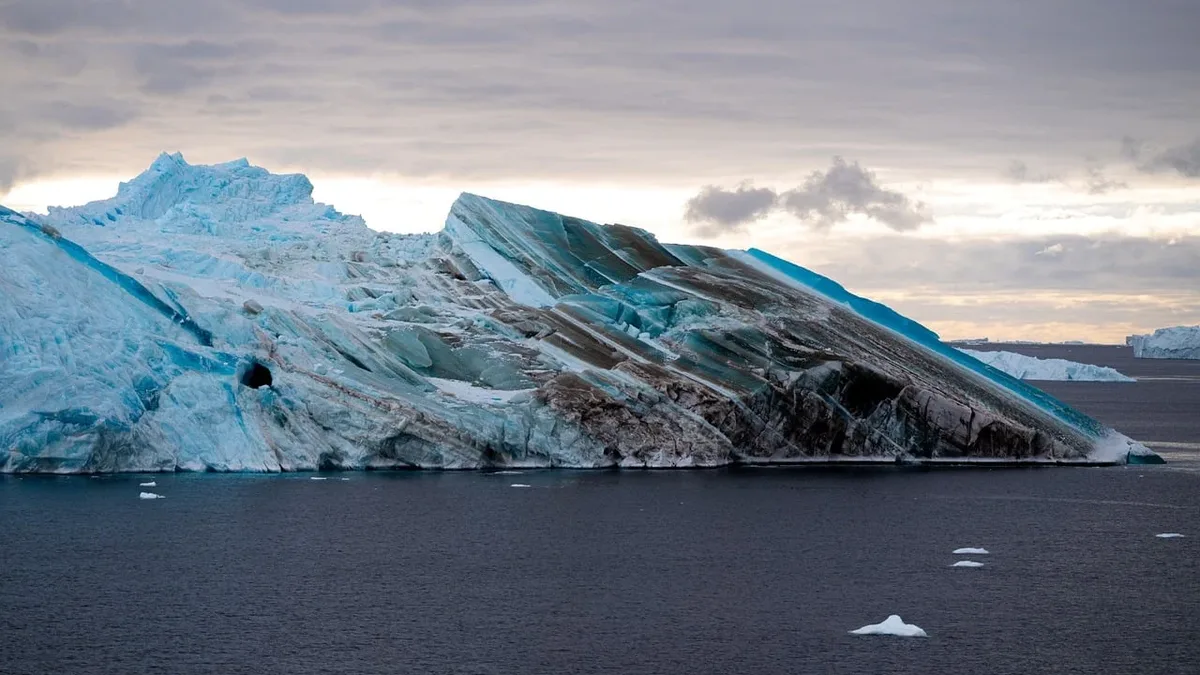
At least 1,066 people are confirmed dead after catastrophic flooding on the China-Nepal border. The disaster was triggered on Wednesday last week when a glacier near the Langtang Lirung peak collapsed, unleashing a landslide and a flood wave down the Trishuli River.
Kanni Wignaraja, an assistant secretary-general at the United Nations, warns the Himalayan region faces severe risks from future glacial floods. The Nepal-Tibet floods overran hydropower facilities, knocking out about 10% of Nepal's power capacity. Entire riverbanks where millions live may become uninhabitable.
The rising threat of glacial lakes
Glacier lake outbursts occur when meltwater accumulates behind a natural barrier, with pressure eventually causing a break that sends a flash flood downstream. UN officials say both glacier collapse and lake outburst threats are rising as the climate crisis accelerates glacier melt, loosening rocks and putting more pressure on barriers.
Researchers identified 47 potentially dangerous glacial lakes in Nepal, China, and India in 2020. The real figure is now thought to be significantly higher. Citing updated data compiled in June by the United Nations Development Programme (UNDP) and partners, Wignaraja stated the population at risk goes into the millions. She told reporters that technology cannot move fast enough to prevent loss along these massive river systems that catch the overflow of the glacier lakes.
Scale of destruction and response
The disaster has left at least 2.2 million tonnes of debris, according to a preliminary UNDP estimate. This includes parts of buildings, rocks, and sediment. The UNDP said the debris shows the scale of destruction and the challenge for communities clearing homes, roads, and public spaces to rebuild.
Nepal's disaster authority said on Tuesday the floods killed at least 1,050 people in Nepal, with nearly 4,000 more missing. Chinese state media confirmed 16 deaths in Tibet. Among Nepal's missing are 592 foreigners from countries including India, the US, UK, Australia, and Canada.
Nepal has requested relatives abroad to undergo DNA profiling and send the results to police. The country turned down general foreign search and rescue involvement but said it needed specialised services and advanced technological support. Aid worth more than $42 million has arrived.
Political and international reaction
Nepal's Prime Minister Balendra Shah said the disaster highlighted the need for climate action. He posted on social media that this incident has indicated that the risks we face in the Himalayan region are increasing with climate change.
China's foreign ministry said a second batch of relief supplies for Nepal, including drones and DNA testing equipment, was expected to ship. Chinese DNA experts will help identify bodies. Beijing pledged to continue supporting Nepal's relief efforts.
UK Prime Minister Andy Burnham expressed shock and pledged to meet the climate challenge, confirming he would attend the COP 31 climate summit.
Prior warnings and coordination challenges
Three months before the floods, experts from China and Nepal met in Kathmandu on May 27 to discuss disaster risks in the border area. Participants called for joint risk-reduction measures like glacial lake inventories and hazard mapping. However, two Nepali officials told reporters they did not receive as much information as they wanted from China on glacier risks and water levels after the meeting.
In Kathmandu, crowds line up to search for missing relatives, posting photographs on a hospital wall. Debu Sapkota, a 58-year-old driver, posted photos of his 83-year-old mother-in-law and her granddaughter, who went missing in Trishuli Bazaar.