US climate aid cut before Nepal glacial
A major US-funded programme monitoring climate risks like glacial collapses in Nepal was terminated in early 2025 following a Trump administration aid freeze.
A key US aid programme that monitored climate risks, including glacier collapses, in Nepal was ended in January 2025. The termination followed a sweeping freeze on US foreign aid issued by former President Donald Trump during his first week back in office.
The programme, SERVIR-Hindu Kush Himalaya (SERVIR-HKH), was a joint effort by NASA, the US Agency for International Development (USAID), and the International Centre for Integrated Mountain Development (ICIMOD). It tracked flood risks, glacial lakes, water supplies, and local weather patterns.
US funding for the programme concluded last year as the Trump administration and its Department for Government Efficiency (DOGE) took measures that led to the effective closure of USAID. Overall US foreign aid fell by 57 per cent in just one year.
Experts criticise aid cuts
Experts criticised the aid cuts. Jeremy Konyndyk, who ran the USAID response to the 2015 Nepal earthquake, said it was hard to say if SERVIR-HKH could have foreseen the specific flooding event, but noted that doing so was its purpose. He added that it is hard to anticipate or mitigate climate hazards which your ideology has decreed do not exist.
Jocilyn Estes, a former senior USAID policy advisor now at the Center for Global Development, told reporters the programme leveraged American technology for cost-effective, life-saving work. She said it was too early to know whether better monitoring or a more sophisticated early-warning system could have enabled evacuations or saved lives in this terrible tragedy.
Jean McLean, chief influencing officer for Oxfam GB, stated that programmes combining satellite data and climate science are critical for preparedness. McLean said aid cuts are undermining efforts to respond to Nepal's devastating floods, underscoring the urgent need for greater investment in climate resilience.
The scale of the Nepal disaster
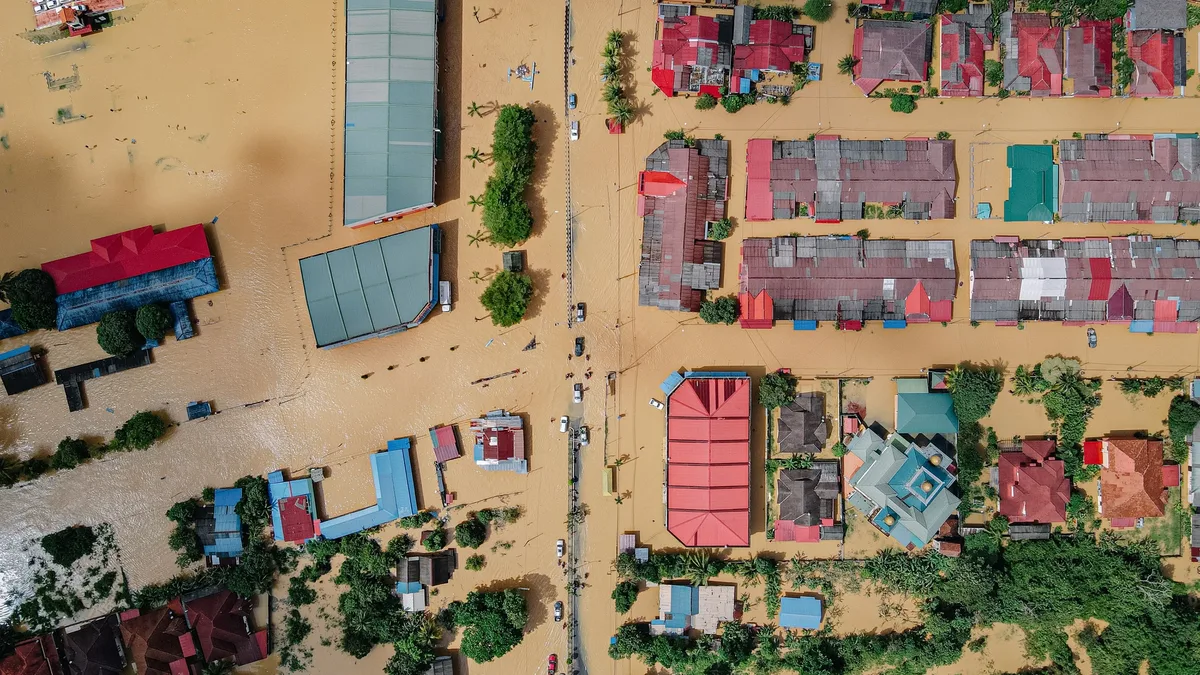
The ongoing flooding disaster in Nepal was triggered by a catastrophic glacial collapse along the Nepal-China border in the Hindu Kush Himalaya. This region holds the largest volume of ice outside the polar regions.
Early estimates suggest rebuilding costs could reach $4-5 billion, roughly a tenth of Nepal's GDP. The final death toll is expected to run into the thousands. Entire villages have been buried under mud and boulders.
According to the Nepal Electricity Authority, five planned and nine operating hydropower plants were severely damaged. The damaged operating plants accounted for about 8 per cent of Nepal's power generation. At the time of reporting, more than 900 hydropower workers were missing.
Climate vulnerability and calls for action
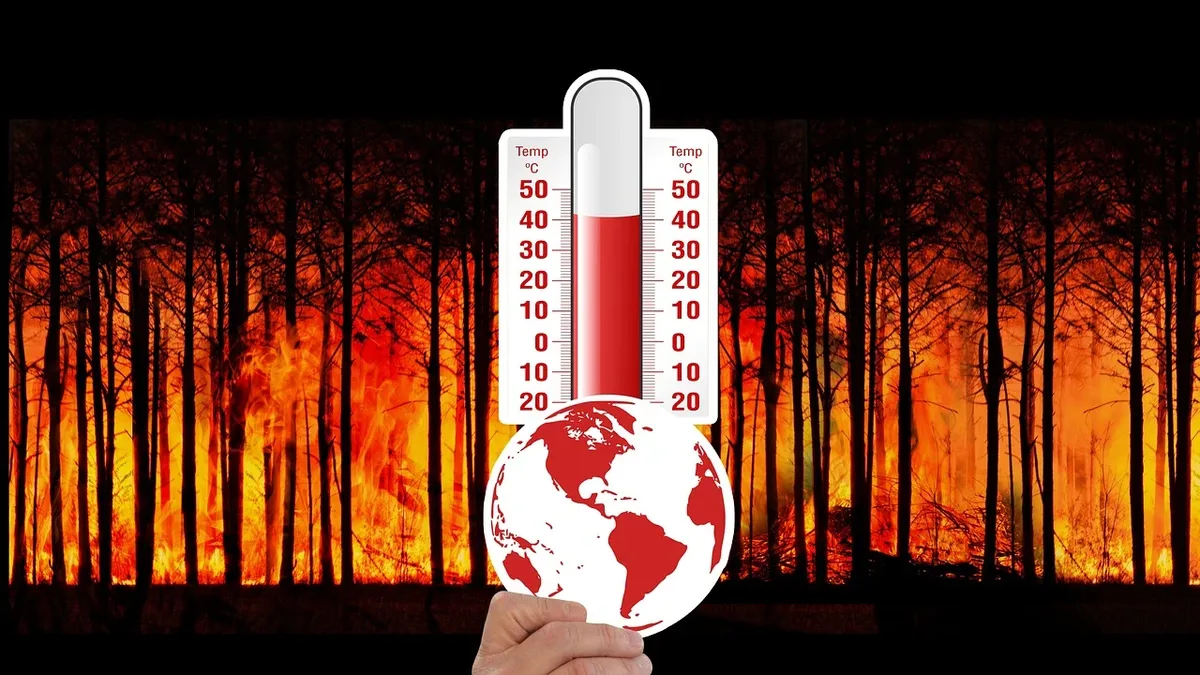
Scientists state climate change is a major risk factor for glacial collapses. Nepal is considered particularly vulnerable because it is experiencing global warming at twice the global average, despite contributing less than 0.1 per cent of global greenhouse gas emissions.
Nepal's Prime Minister Balendra Shah has called for stronger global climate action and financial support following the disaster.
Daljeet Kaur, head of climate justice at Save the Children UK, told reporters that Nepal is a country that has done little to contribute to global warming temperatures and yet is incredibly vulnerable to their impacts. Kaur urged high-income historical emitters to provide high-quality funding to lower-income countries like Nepal.