UK aviation emissions forecast 50% higher by 2050
The UK government has revised its aviation emissions forecast upwards, predicting levels nearly 50% higher than its 2022 'jet-zero' target for 2050.
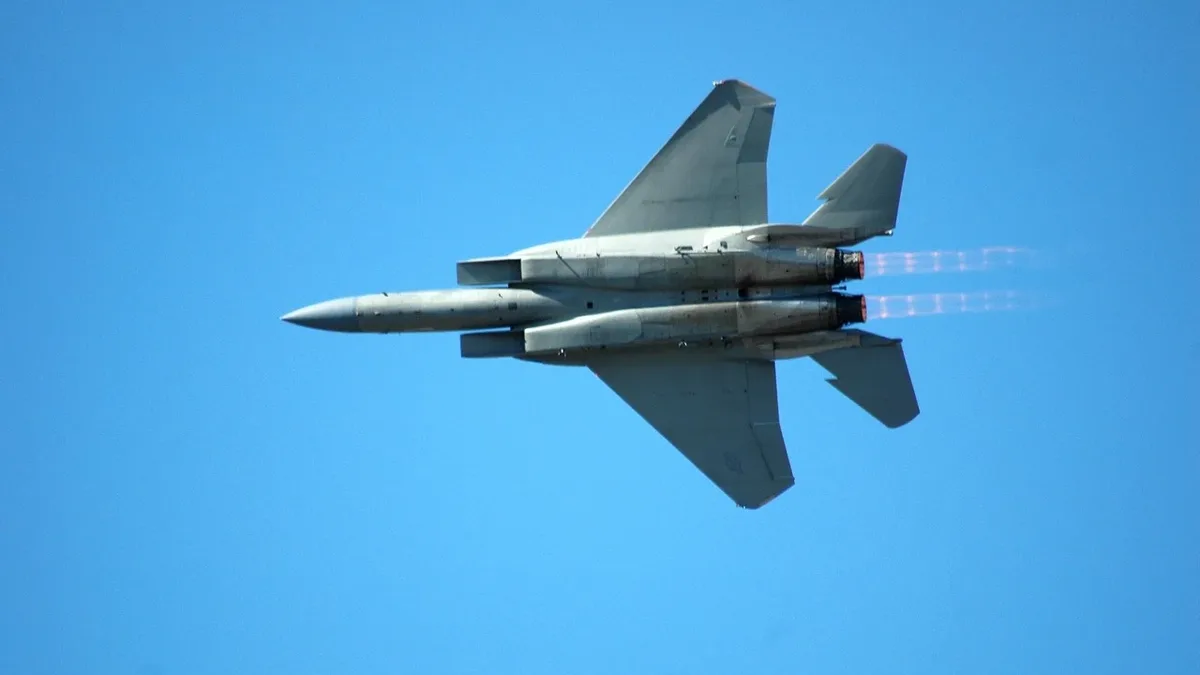
The UK government now expects aviation emissions in 2050 to be nearly 50% higher than previously targeted. This revised forecast, quietly published in June, significantly scales back expectations for the role of sustainable aviation fuels and electric aircraft.
According to the government's new 'technology development' pathway, which includes what it calls ambitious carbon abatement measures, aviation emissions would fall to 28.1 million tonnes of carbon dioxide equivalent (MtCO2e) by 2050. This is around 9MtCO2e higher than the goal set in the 2022 'jet-zero' strategy launched by the previous Conservative government. The jet-zero strategy had aimed for aviation emissions to drop to 19.3MtCO2e by the UK's legal net-zero deadline.
Revised technology expectations
The shift is attributed to much lower expectations for several key technologies. The government now expects sustainable aviation fuels (SAFs) to make up only 30% of aviation fuel by 2050, down from a previous assumption of 50%. It also concedes that SAFs will save less carbon over their lifecycle than previously thought. Even meeting the UK's goal of 22% SAF uptake by 2040 would require enormous volumes of waste products, the fuel's main current source.
A separate government-commissioned analysis from the Aviation Impact Accelerator yielded less optimistic projections for aircraft fuel-efficiency improvements. Consequently, annual fuel-efficiency gains have been revised downward from 2% in the jet-zero strategy to 1.3% in the new forecast. The role for battery-powered planes has also been reduced, with only some of the smallest zero-emissions aircraft expected to be in use by 2035.
The expansion and emissions context
The updated forecasts account for growth at several UK airports, including planned Heathrow expansion. Overall passenger numbers are projected to be at least 50% higher by 2050. The Labour government has signalled support for a contentious third runway at Heathrow, with a final planning decision expected by 2029. Ministers have previously justified such expansion by citing the rollout of clean-aviation technologies.
Tim Johnson, director at the Aviation Environment Federation (AEF), says the new forecasts present "a more honest and realistic vision of what's possible in the next 24 years." He adds that less reliance on cleaner technology reopens the debate about tackling projected demand growth.
If the UK fails to implement new policies or innovations while flight numbers rise, emissions would be even higher. The government's 'current trends' pathway shows emissions increasing to 41.1MtCO2e by 2050, roughly double the jet-zero target and the level recommended by government climate advisors, the Climate Change Committee (CCC).
Carbon budget implications
To meet the UK's net-zero target, any remaining aviation emissions in 2050 would need to be offset by planting vast new forests or using costly and largely unproven carbon dioxide removal technologies. AEF calculations, based on government data, suggest emissions from a third runway at Heathrow would reach 3.5MtCO2e per year in 2050 and rise significantly beyond the 2050 deadline.
Dr Lois Pennington, a research associate at the University of Manchester, analysed the impact. She states the forecast shows the UK is projected to exceed aviation's share of the carbon budget even before a third runway is considered. "For Heathrow, it means expansion can no longer be waved through on the promise of technology," Pennington tells Carbon Brief. Any approvals would now be made knowing it will exceed legally binding carbon budgets.