Albanese warns UN of climate inaction cost
Australian Prime Minister Anthony Albanese told the UN Climate Week that the cost of inaction on climate is unavoidable.
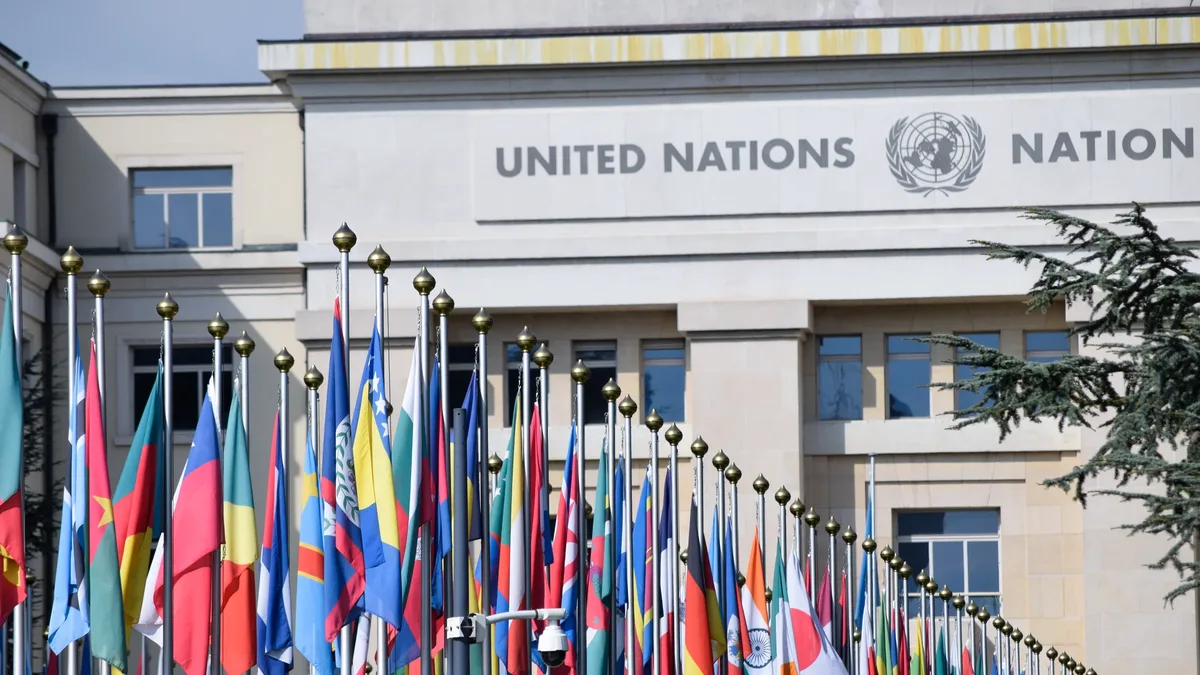
Australian Prime Minister Anthony Albanese has declared there is no avoiding the cost of inaction on climate change. He delivered the warning in a keynote speech at the opening of Climate Week at the United Nations in New York.
Albanese said Australians have experienced climate breakdown up close through disastrous bushfires and floods over past decades. He argued that while people have faced this adversity, politicians must now match their bravery with strong action. "We need to come together, to meet the problem head on," he told the assembly. "There's no avoiding the scale of our responsibility, or the cost of inaction."
Australia's climate targets and progress
The Prime Minister outlined his government's climate strategy. He described its 2035 emissions reduction target as ambitious but achievable. Australia aims to cut emissions by 62-70% compared to 2005 levels.
He pointed to specific domestic progress. Australia is now a leader in home battery installation. Albanese stated that Australians are installing 10,000 batteries each week, amounting to more than half a million in the past year.
Preparing for a harsh season
Albanese linked current forecasts to immediate regional dangers. He noted that spring has arrived in Australia alongside a record-breaking El Niño forecast. Australia and Pacific nations are preparing for a potential summer of extreme heat, bushfires, and floods.
His speech highlighted Australia's role in supporting its Pacific neighbors financially. Last year, Pacific nations created the Pacific Resilience Facility, a regional climate-financing mechanism. Australia has contributed A$100 million to this fund and a further A$350 million to support climate-resilient infrastructure in the Pacific.
It is also a promise to our Pacific family that they will not face the climate crisis alone, Albanese said. He cited an example of this support, stating that with Australia's backing, Palau's first large-scale solar and battery project is on track to supply over 20% of its energy needs.
Exporting aid and fuel
Australia is providing direct assistance beyond finance. The country's firefighters have responded to fires and floods in distant nations like the US, Canada, and France. Albanese praised these responders as an international fraternity of bravery.
Yet the Prime Minister's speech acknowledged a contradiction in Australia's position. While exporting knowledge and finance to tackle the climate emergency, the country continues to fuel the crisis through fossil fuel exports. Australia is one of the world's largest exporters of liquefied natural gas, and these exports have increased over the past year, even as domestic gas demand has fallen. Albanese reiterated that Australia's abundant renewable potential, backed by gas, would be the pathway to meeting its 2035 target.