UN Chief Guterres Calls Climate the Top Global Threat
UN Secretary-General António Guterres says vested fossil fuel interests and short-term politics hinder climate action.
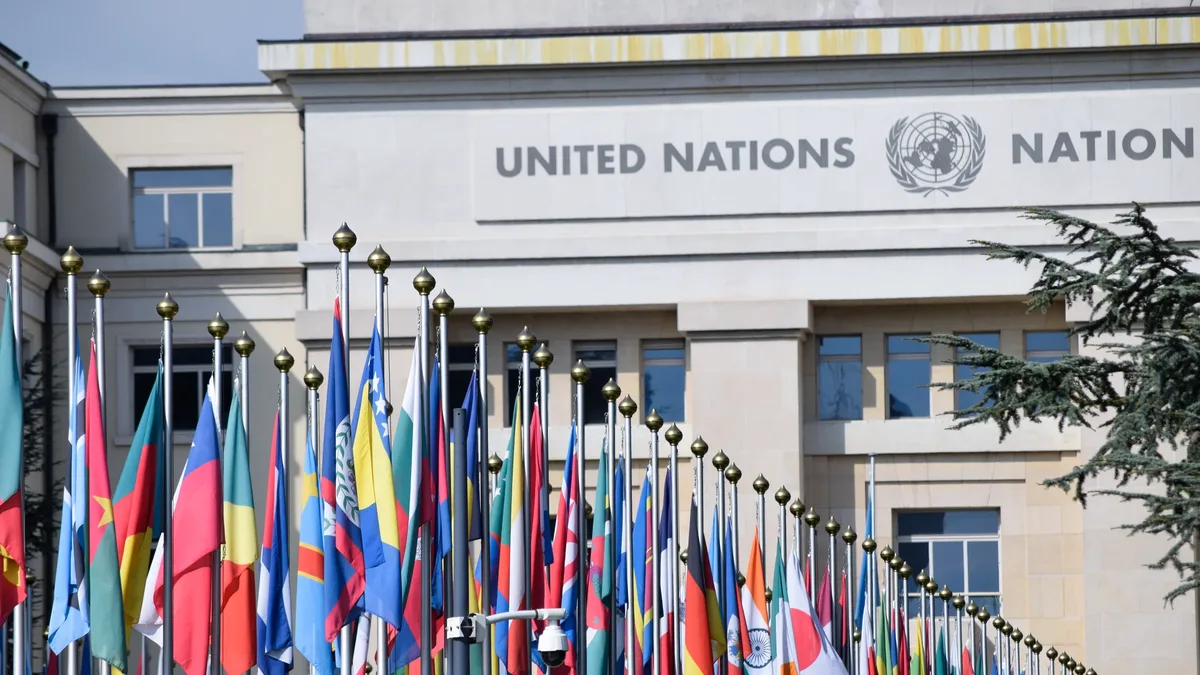
UN Secretary-General António Guterres has declared climate change the world's most relevant existential threat. He argues that political leaders, focused on short-term objectives, are failing to address the long-term crisis.
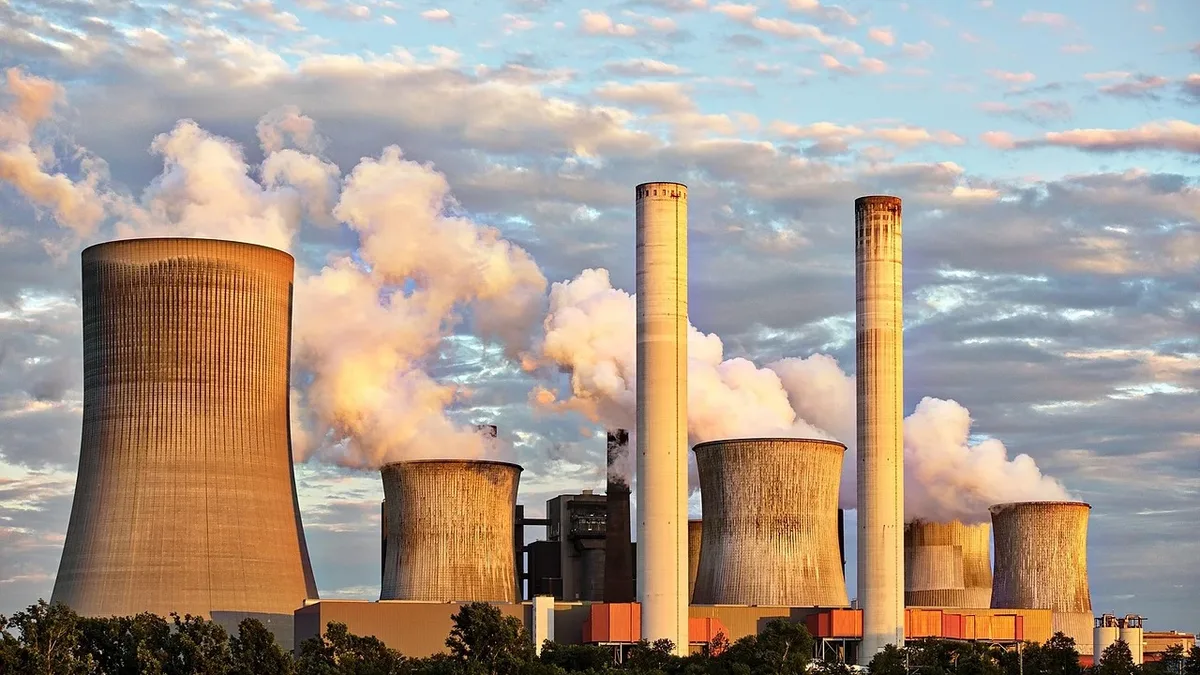
Guterres told reporters that a systematic campaign, financed by the fossil fuel sector's huge profits, works to divert attention from the impacts of fossil fuels. He also believes most people have not yet internalized the level of risk everyone faces.
The Security Dimension
Guterres frames climate breakdown as a direct threat to national security. He points to the recent crisis in the Gulf as proof that basing an economy on fossil fuel imports is a severe risk for any country. Scientists warn the world is nearing tipping points, like the slowing Gulf Stream, which could dramatically accelerate climate impacts and sea-level rise.
"It will become a world problem, and it’s a clear security problem," Guterres said, calling it an extremely dramatic issue for all nations. He notes that while many security establishments still view energy security for fossil fuels, a new generation of institutions is alert to climate and biodiversity risks.
The UN's Role and Regrets
The UN chief acknowledges his role carries little formal power or money. "But there is one thing that I have: a voice," he stated. It’s my duty to use that voice without any compromise, to tell the truth and to alert the international community to the dangers it faces.
Reflecting on his decade in office, Guterres expressed one regret. He said the UN should have done more to build powerful alliances outside the traditional political spectrum, engaging more with grassroots organisations and local governments. He argued democratic systems need modernizing to improve communication, especially with young people.
On Capitalism and Governance
When asked if capitalism is the underlying problem, Guterres distinguished between a market economy and its governance. He believes a market economy is the best way to allocate resources but insists it requires effective governance through regulations set by democratically elected institutions.
Unfortunately, in many circumstances we have seen regulatory bodies being controlled by private interests, he noted. We need to make sure that doesn’t happen. He acknowledged the challenge posed by major emitting countries that are autocracies, stressing the importance of ensuring modern communication technologies are not used to increase their authoritarian nature.
Reasons for Hope
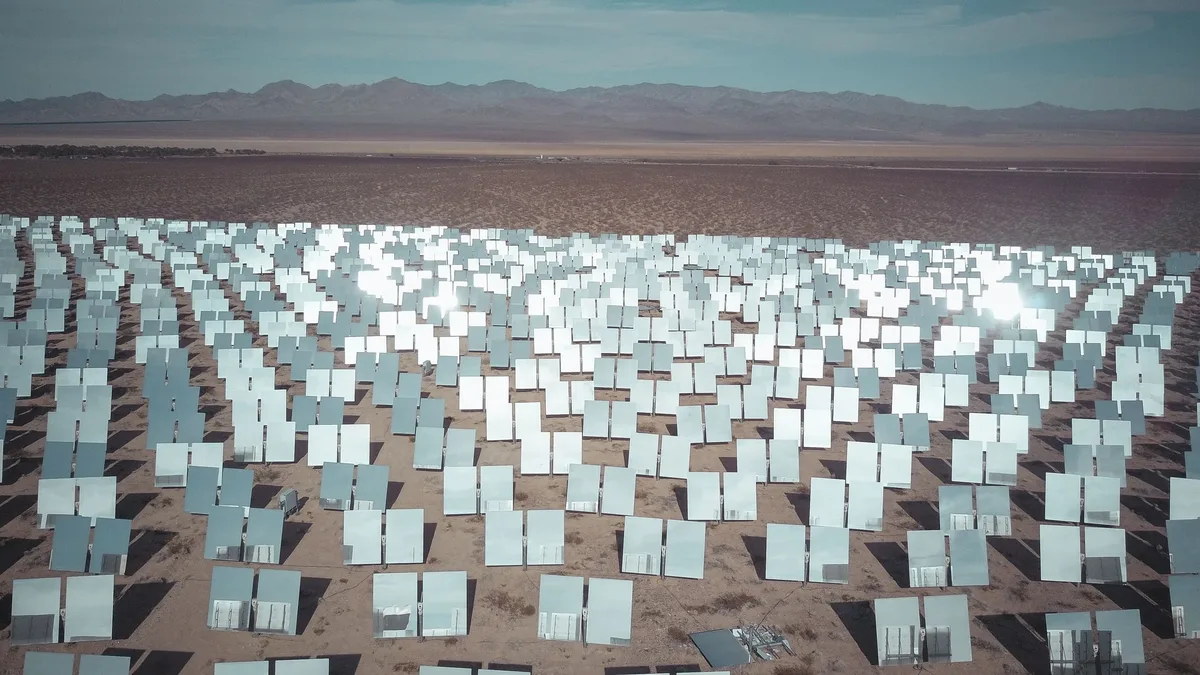
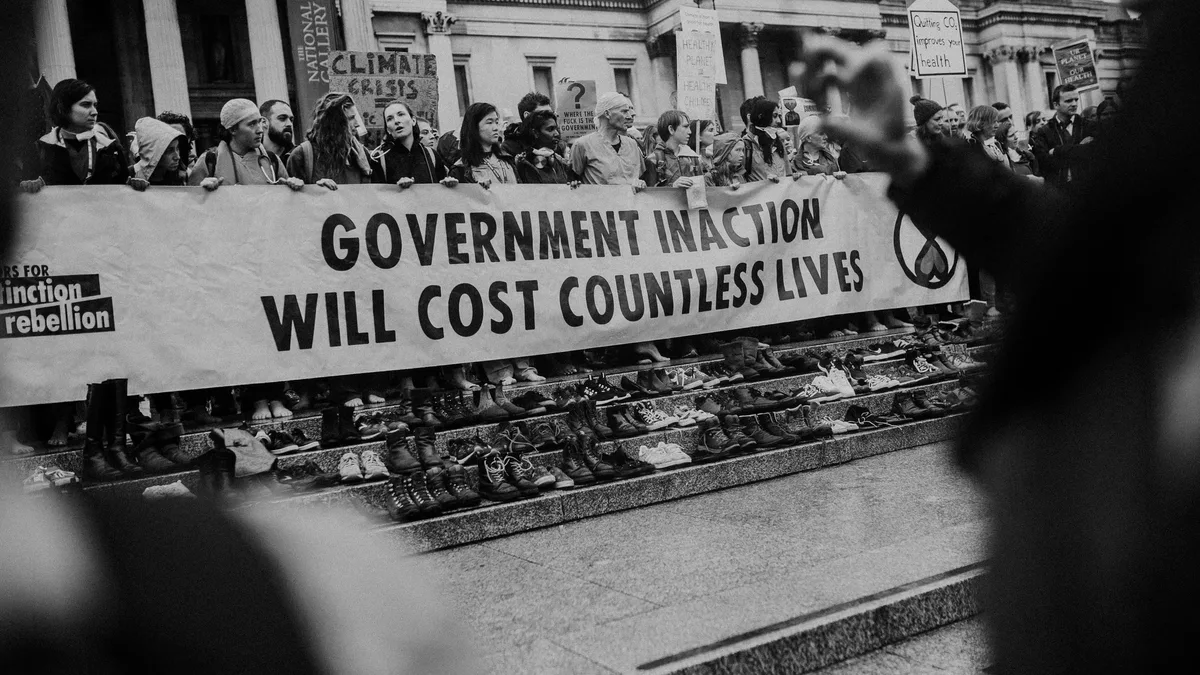
Despite the stark warnings, Guterres identified a key reason for hope. They are developing renewable energy at enormous speeds, he said. He believes the Gulf crisis will accelerate this trend, as many big-emitting emerging economies are net importers of fossil fuels and have a vested interest in developing renewables. He hopes public consciousness will grow as the devastating impacts of climate change, like health-threatening heatwaves, become inevitably worse.