Plug-in Solar Kits Launch in the UK
Plug-in solar kits, requiring only a standard three-pin socket and outdoor space, are now commercially available in the UK.
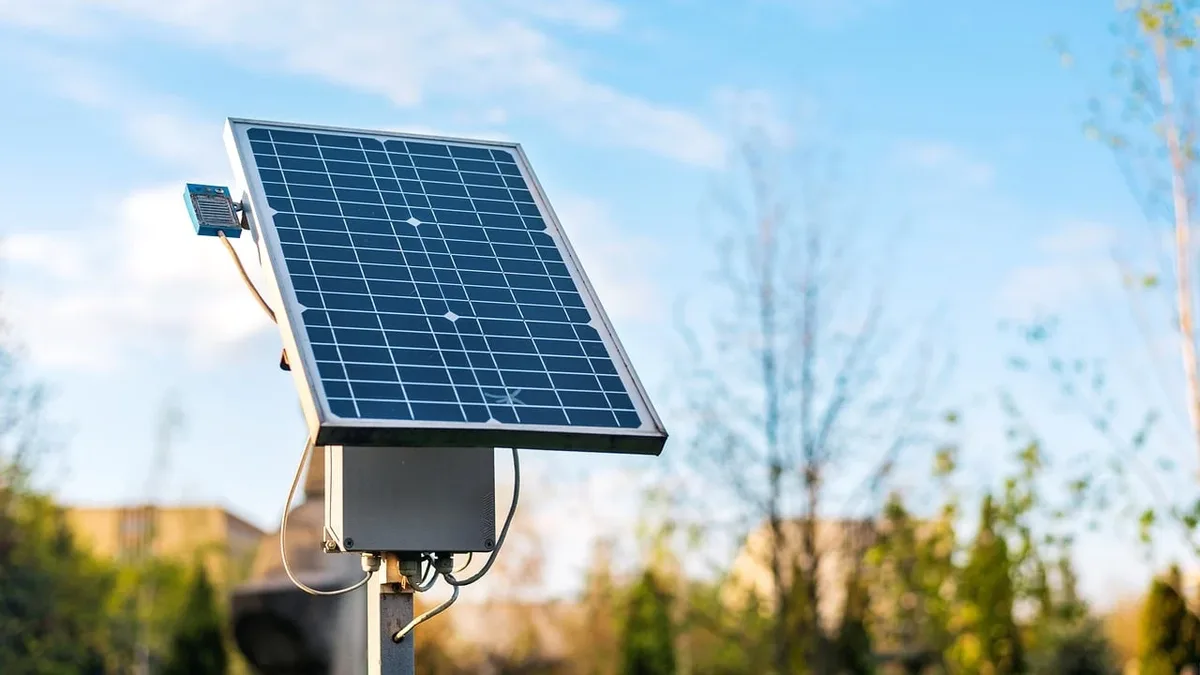
Plug-in solar panels are now legally on sale in the UK, requiring only a standard three-pin socket and outdoor space, eliminating the need for roofer visits and thousands in installation costs.
The Department for Energy Security and Net Zero (DESNZ) has confirmed the technology passed rigorous safety testing for UK wiring compatibility, with commercial sales beginning immediately.
Each kit generates up to 800 watts of power, equivalent to around 20% of a home’s average electricity usage, capable of powering a fridge, television, Wi-Fi router, laptop, phone charger and an Xbox S simultaneously during sunny periods.
Amazon, Argos, Currys, B&Q, Screwfix and Wickes have committed to stocking the plug-in solar panels for consumer purchase.
Energy Secretary Miatta Fahnbulleh stated plug-in solar offers a simple, affordable way for households to take control of energy bills and save straight away.
The commercial launch follows news that October’s energy price cap will push average bills to a three-year high of £1,723, a £60 increase driven by higher wholesale gas prices linked to the Iran conflict.
Plug-in solar allows households to use generated power first, potentially saving over £100 annually by replacing grid electricity, benefiting renters and flat-owners as well.
Friends of the Earth energy campaigner Danny Gross called the development a positive step enabling millions of previously excluded households, including renters, to participate in the clean energy transition.
Good Energy Services’ managing director Carl Hogg cautioned that plug-in solar should not be viewed as an alternative to tailored home energy solutions, noting professionally installed rooftop systems with batteries remain the most effective option for significant bill reduction.
Renewable energy specialist Rhys Phillips of Next Energy explained savings depend on panel positioning, sunlight exposure, and whether generated electricity is used immediately, emphasizing these systems supplement rather than replace grid power.
Plug-in solar systems are designed to supplement grid electricity, not replace it, and without battery storage, households may export or miss clean energy generated, limiting long-term value compared to systems with storage.
Government data shows nearly 172,000 solar installations fitted across the UK since the start of this year, with July recording 28,000 installations, the third highest month behind March and June.
Wales saw a 18% rise in solar installations over the last 12 months, Scotland 14%, and England’s South East recorded the highest growth at 14%, reaching 305,101 installations overall.
Energy Minister Michael Shanks stated record numbers of families are installing solar panels to generate clean power and cut bills, linking this to the Warm Homes Plan aimed at upgrading homes and tackling fuel poverty.
Globally, standalone utility-scale solar investment dropped 20% year on year to $75.4bn, the lowest since the 2021 solar boom, though small-scale solar investment rose in the past six months and co-located solar and energy storage reached a record $25bn in the first half of 2026.
The UK’s plug-in solar initiative reflects a broader trend of democratizing renewable energy access through simplified, low-cost entry points for households.