UK Dairy Roadmap sets new climate and packaging goals
The UK dairy industry has updated its environmental roadmap, setting new science-based climate targets and packaging goals for processors.
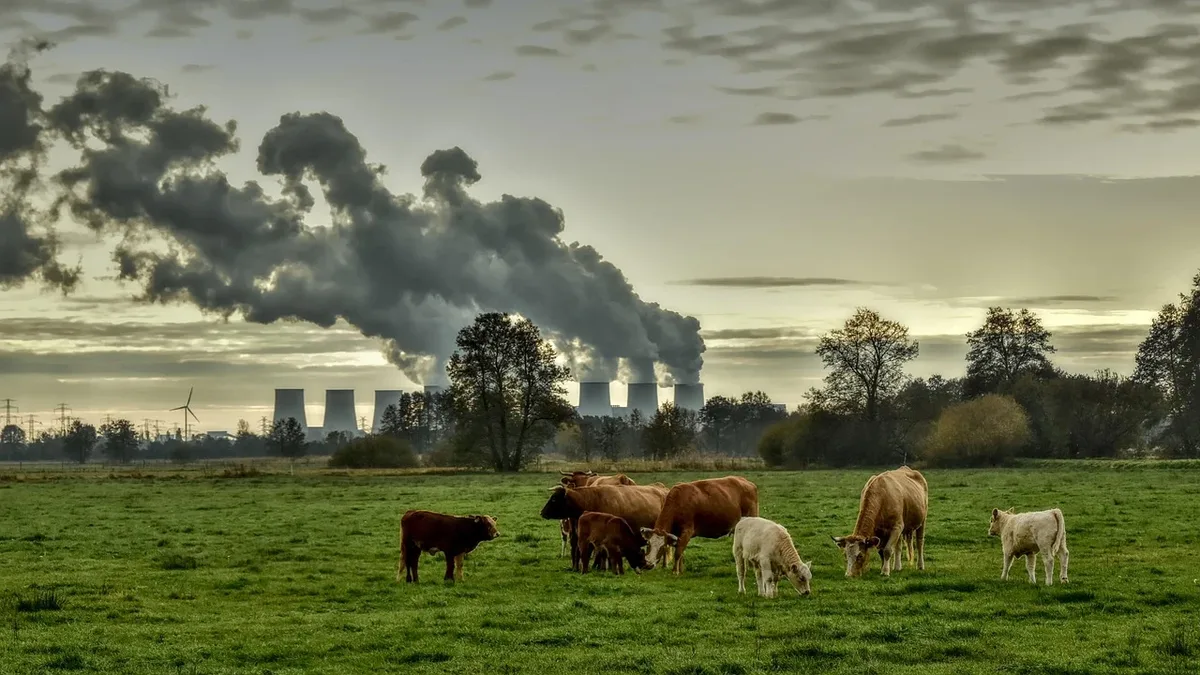
The UK dairy sector has redrawn its environmental roadmap with new targets for climate action and packaging. The Dairy Roadmap, first launched in 2008, expanded its scope in 2025 to create shared responsibility across the supply chain from farmers to retailers.
It is steered by AHDB, Dairy UK, NFU, Arla Foods UK, Dale Farm, First Milk, Lactalis UK & Ireland, Müller UK & Ireland, Tesco, Sainsbury’s, Morrisons, McDonald’s and Sysco GB. Bas Padberg, chair of The Dairy Roadmap, stated it is crucial to support all dairy farms in making progress rather than setting targets only a small number can reach.
Climate targets
The Dairy Roadmap has a long-term ambition of being 1.5C-aligned by 2050, aiming to reduce the industry’s climate impact to net-zero by that time. To achieve this, the Working Group has set specific deadlines for processors.
All processors must estimate and report their Scope 1 and 2 emissions. Small and medium-sized enterprises (SMEs) must undertake the Science Based Targets initiative (SBTi) and present this to their boards by the end of 2026. All processors must set SBTi-approved Scope 1 and 2 targets by the end of 2027. Large organisations must set SBTi-approved Scope 3 targets, including Forest, Land and Agriculture (FLAG) targets, by the end of 2027. The sector will continue sharing best practice.
Packaging and waste
The Roadmap has committed to eliminating all unnecessary single-use plastic, boosting recycled packaging content, and cutting overall packaging emissions. The Processor Working Group wants all packaging to be recyclable where possible and economically viable.
It aims for 100% of paper and card to be FSC certified or equivalent. Processors must remove dyed plastic bottle caps from consumer packaging by 2030. The organisation highlighted that recycled content will increasingly be considered in product design, aligning with initiatives like the WRAP Food & Drink Pact for future targets.
Beyond packaging, the Group is aiming for all non-natural waste to be reused or recycled, with zero waste sent to landfill.
Water management
On water, the Roadmap aims for all processors to measure usage within their own operations and undertake a water risk assessment. They should develop a local action plan by the end of 2026. By the end of 2027, all processors should have developed an action plan to reduce water risk.
Padberg said aligning the whole value chain around shared priorities can drive progress and build a dairy sector resilient for the long term. The initiative faces pressure to quantify and curb climate impact across the value chain from cow to consumer.