Boost El Nino Threatens Global Food and Aid Systems
A record-breaking, climate-fueled El Nino event is predicted to cause extreme weather worldwide, threatening tens of millions with hunger and disrupting UK
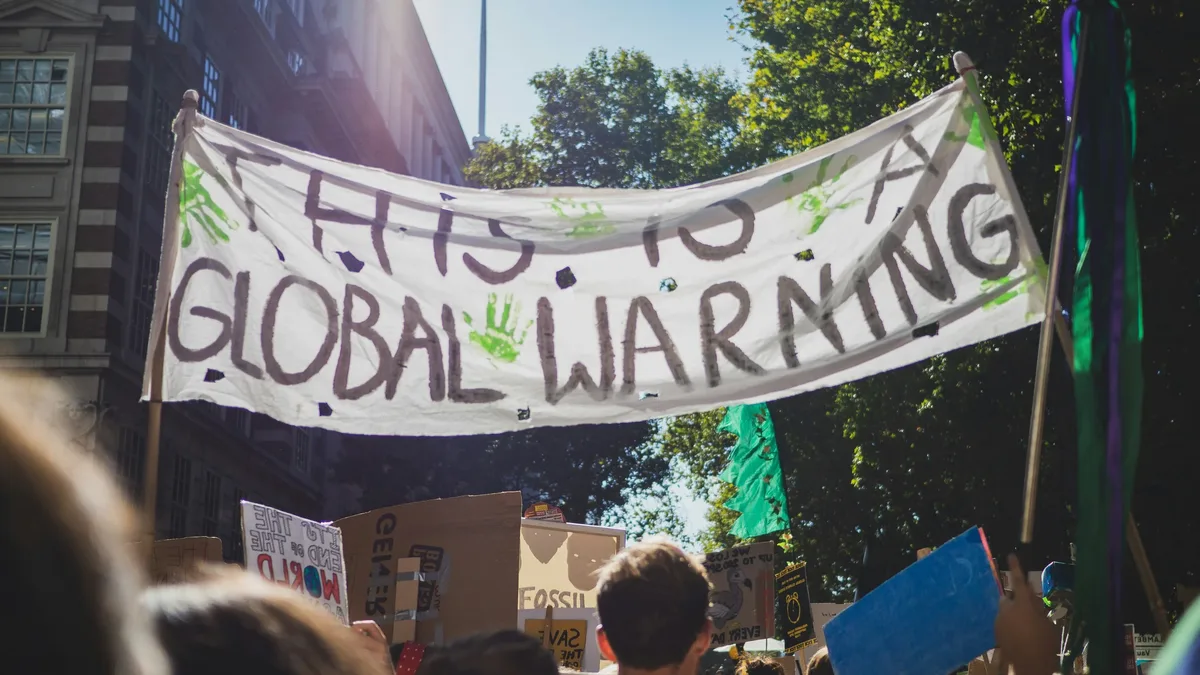
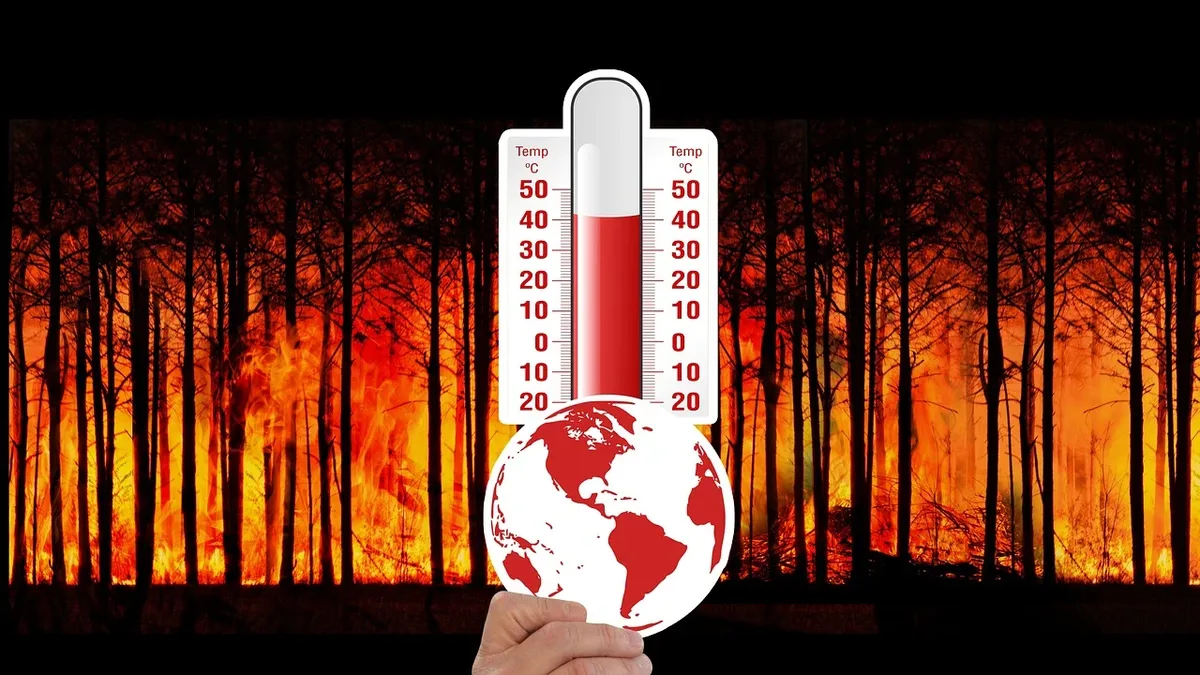
This year's El Nino is on course to be the strongest on record, a climate change-fueled event described by the Met Office's Professor Adam Scaife as "unprecedented." The UN warns the planet is in "uncharted waters" as sea surface temperatures in the key Pacific region have already reached 2.6 degrees Celsius above the El Nino threshold, with forecasts suggesting a peak of around 4 degrees Celsius in November.
Global Humanitarian Crisis Looms
Tens of millions of the world's poorest people are expected to be plunged into crisis. The UN's World Food Programme projects an additional 49 million people could be pushed into hunger globally. Richard Choularton, director of WFP's Climate and Resilience Service, told The Independent the agency estimates needing around $13 billion to meet emergency food needs this year but expects to receive only about half that amount. A $200 million appeal for anticipatory action programs, which provide cash to families ahead of climate shocks, remains underfunded by over $150 million.
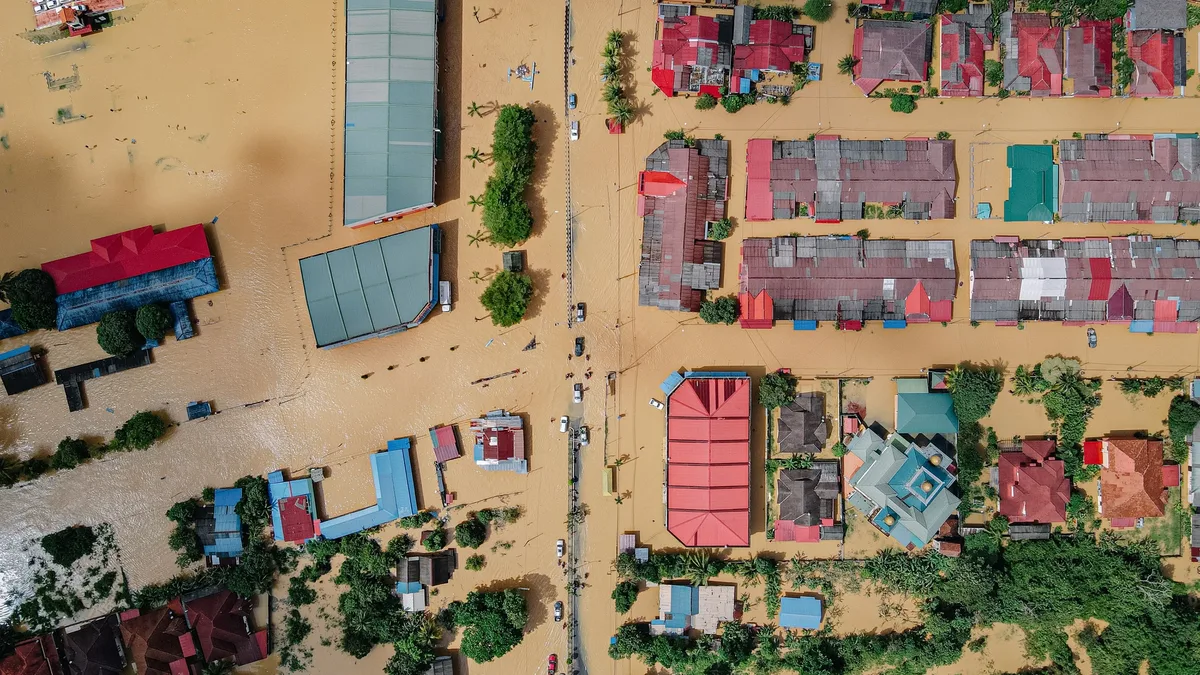
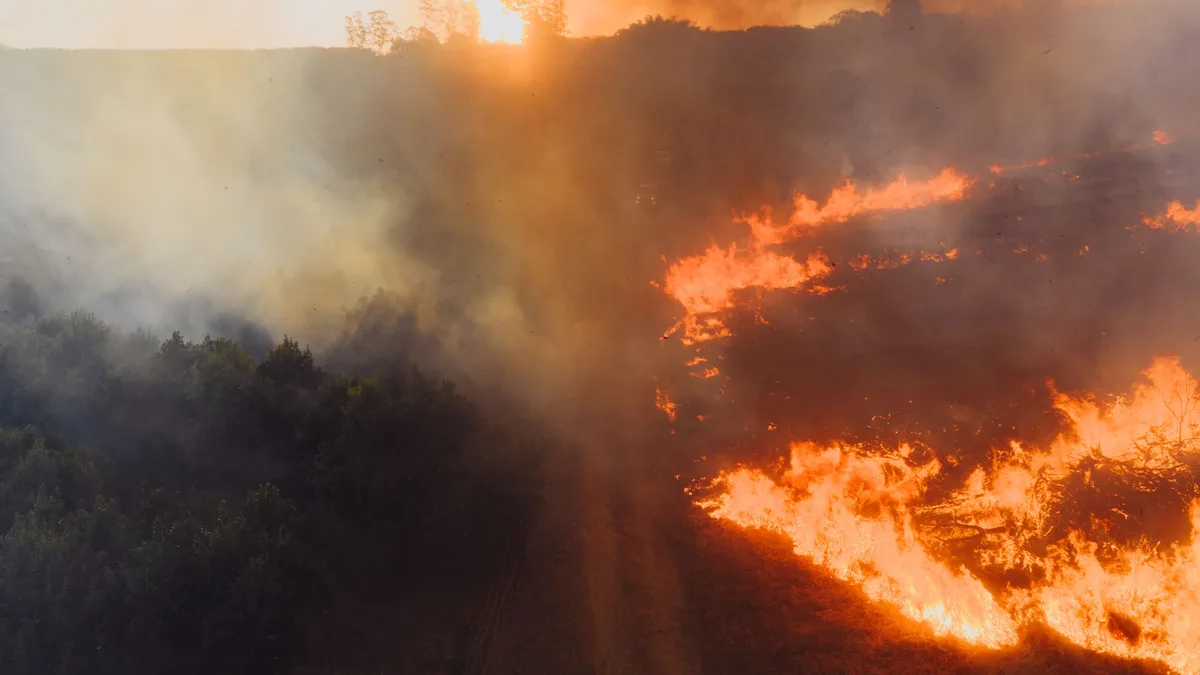
Extreme weather patterns are predicted across Africa and Asia. Torrential rains and flooding are expected in parts of East Africa, while droughts intensify across southern Africa. Impacts are already being felt, including unusually weak monsoon rains in India and catastrophic wildfires in Indonesia.
UK Faces Food Price Rises and Aid Cuts
Around one quarter of UK food imports, including rice, coffee, cocoa, and tropical fruits, come from regions most exposed to El Nino disruptions. Research cited by the Energy and Climate Intelligence Unit notes this comes atop an ongoing cost-of-living crisis, where poor harvests previously drove a 77 percent rise in the price of coffee imported from Brazil and doubled cocoa bean prices from Côte d’Ivoire.
Simultaneously, Britain is slashing bilateral aid to eight African countries by more than 80 percent. The UK aid budget, retained at 0.7 percent of Gross National Income for years, was cut to 0.5 percent by Boris Johnson in 2021 and further reduced to 0.3 percent by Keir Starmer last year.
Political and Agency Calls for Action
MPs from across parliament are calling for a restoration of aid and increased climate preparedness. Dr Ellie Chowns, Green MP for North Herefordshire, said the government must "restore development aid to ensure the Global South is not abandoned." Andrew Mitchell, Conservative MP and former development minister, called the aid cuts "acts of the greatest folly."
Aid leaders emphasize the timing is catastrophic. Dr Philip Goodwin, CEO of Unicef UK, stated, "The world is heading into this El Niño at precisely the wrong moment." He noted humanitarian agencies are preparing with fewer resources. On the ground, Ummy Dubow, CARE's country director for Somalia, described the super El Nino as a "disaster" for a country where 1.88 million children under five are acutely malnourished and aid cuts have reduced health facilities from 150 to 50.
Businesses are also urged to act. Dr Carley-Jane Stanton from the Fairtrade Foundation called for investment in supply chains and for the UK government to stop delaying the publication of its Responsible Business Conduct review, which advocacy groups believe contains plans to compel companies to better respond to environmental and human rights concerns.
Dejene Dadi, manager of an Ethiopian coffee cooperative, said adaptation activities like soil conservation and irrigation are not possible without more help from companies and governments like the UK. The Met Office forecasts a particularly wet and stormy winter for the UK due to the El Nino, following a summer of heatwaves that pushed water levels to critically low levels.