World Bank Continues Gas Financing Amid U.S. Pressure
The World Bank will keep funding gas projects in developing nations despite U.S. demands to end its fossil fuel financing ban, balancing record clean energy investment with continued support for gas infrastructure.
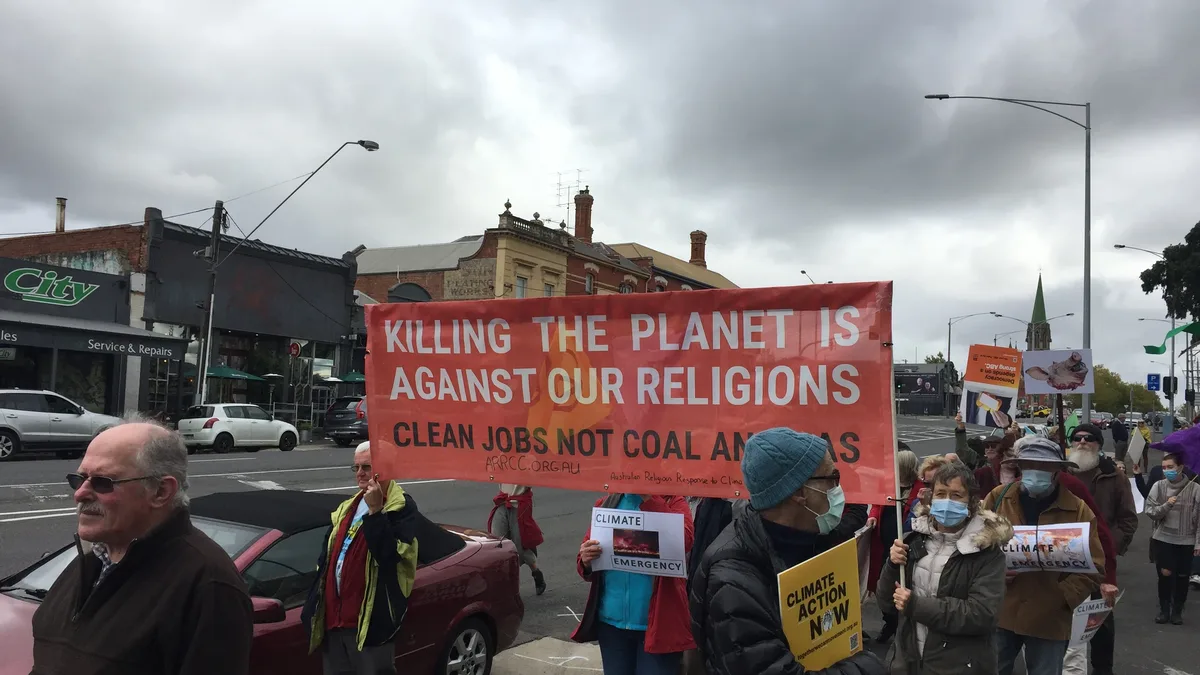
The World Bank has ended direct fossil fuel support but continues financing gas transportation and use projects while facing U.S. pressure to reverse its climate-aligned policies. President Ajay Banga stated on Friday at the annual meeting in Bangkok that the organization will support gas projects in developing countries alongside renewables, hydro, nuclear, transmission, grids, and storage.
The bank stopped supporting coal projects around ten years ago and last year did not finance any oil project for the first time. It has ended support for gas exploration but still backs projects related to transporting and using gas. One example is a $140-million project to help Benin, Côte d’Ivoire and Togo import liquefied natural gas.
The bank's overall support for fossil fuels has declined. Funding was under $1.5 billion a year for fossil fuels in 2023, 2024 and 2025. This wanes while clean energy funding reaches historic highs. World Bank financing for clean energy in those same years amounted to just under $10 billion annually.
U.S. Pressure for Expanded Fossil Fuel Financing
The U.S. Treasury is demanding the World Bank end its fossil fuel financing ban and support nuclear energy expansion through new trust funds. U.S. Treasury Secretary Scott Bessent sent demands to the World Bank and IMF to end the ban on financing oil and gas exploration and production projects.
Bessent argued the World Bank cannot claim country ownership while excluding exploration and production initiatives without assessment. The U.S. proposal includes an initial contribution to a World Bank-administered trust fund for nuclear energy technical, regulatory, and institutional capacity development. The U.S. Treasury announced an initial contribution to a new Energy Nuclear Assistance Trust Fund managed by the World Bank.
Bessent also urged changes to accelerate the removal of wealthier countries like China and Poland from lists eligible for concessional borrowing. He stated the IMF was founded to prevent market-law policies causing global imbalances and must assert its position or risk being sidelined.
World Bank's Climate Policy Contradictions
Despite scrapping its 45% climate finance target and facing campaigner criticism, the bank maintains nuclear support while prioritizing gas infrastructure over renewables. The World Bank scrapped that target in July under US pressure. It renewed its climate change action plan with support from a broad majority of countries the same month.
President Banga has walked a tightrope on climate policy since Donald Trump’s re-election in 2025. He faced pressure from the U.S. to finance more gas projects and from climate campaigners to stop funding fossil fuels altogether. The bank ended its ban on support for nuclear power in June 2025. Banga stated the institution would support modernization of existing nuclear power plants in cooperation with the International Atomic Energy Agency, noting this was the first such work in 50 years for the bank.
Climate campaigners argue the approach is flawed. Sunil Acharya of Recourse stated the bank is moving in the wrong direction. He said framing wind and solar as a 'top-up' to nuclear, hydropower and gas misses the opportunity to transform energy systems. Acharya also stated fossil gas makes countries vulnerable to global market fluctuations and debt. Ajay Banga offered a different rationale. "Homes, mines, factories, farms, and growing cities - what do they need? Reliable, affordable baseload power," he said.
The bank's climate work can endure without a finance target, experts say. It approved the first of five big dam projects in a major reversal, despite opposition. The institution's continued support for gas is exemplified by its $140-million LNG import initiative in Benin, Côte d’Ivoire and Togo.