RHS advises UK gardeners to stop growing
The Royal Horticultural Society says England's changed climate makes cauliflower cultivation unviable for home gardeners, recommending heat-tolerant
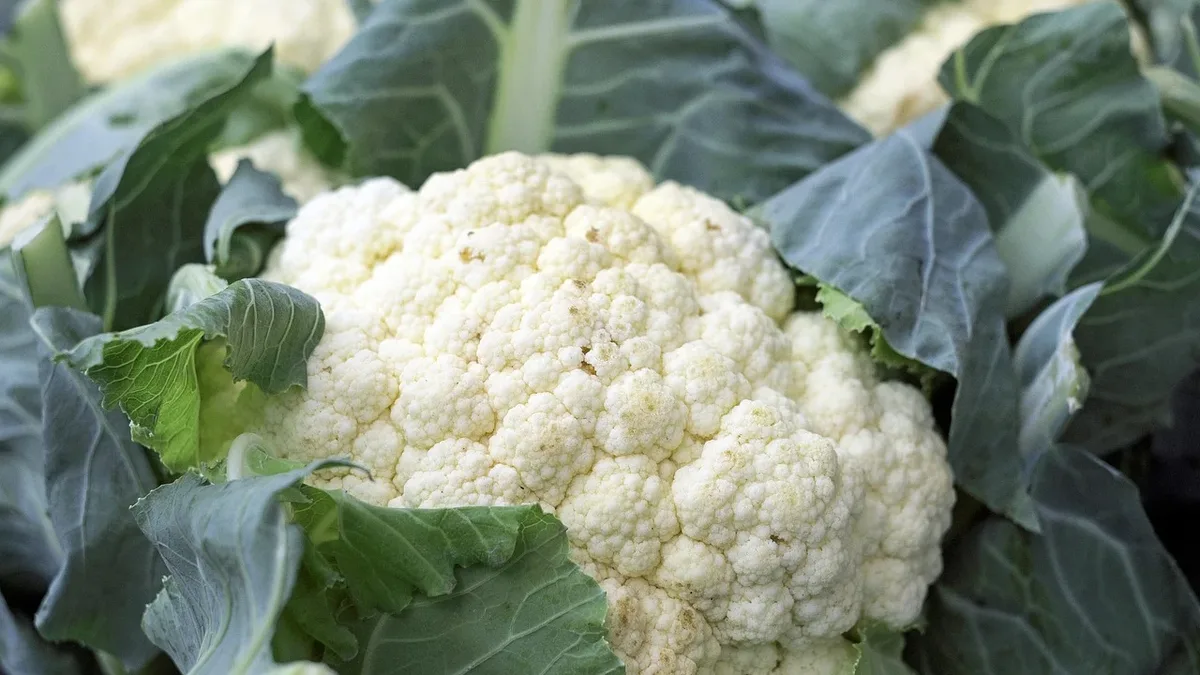
The Royal Horticultural Society (RHS) is advising gardeners in England to stop growing cauliflower. The charity states the country's climate has changed to a point where this staple of the British Sunday roast is no longer viable for domestic vegetable patches.
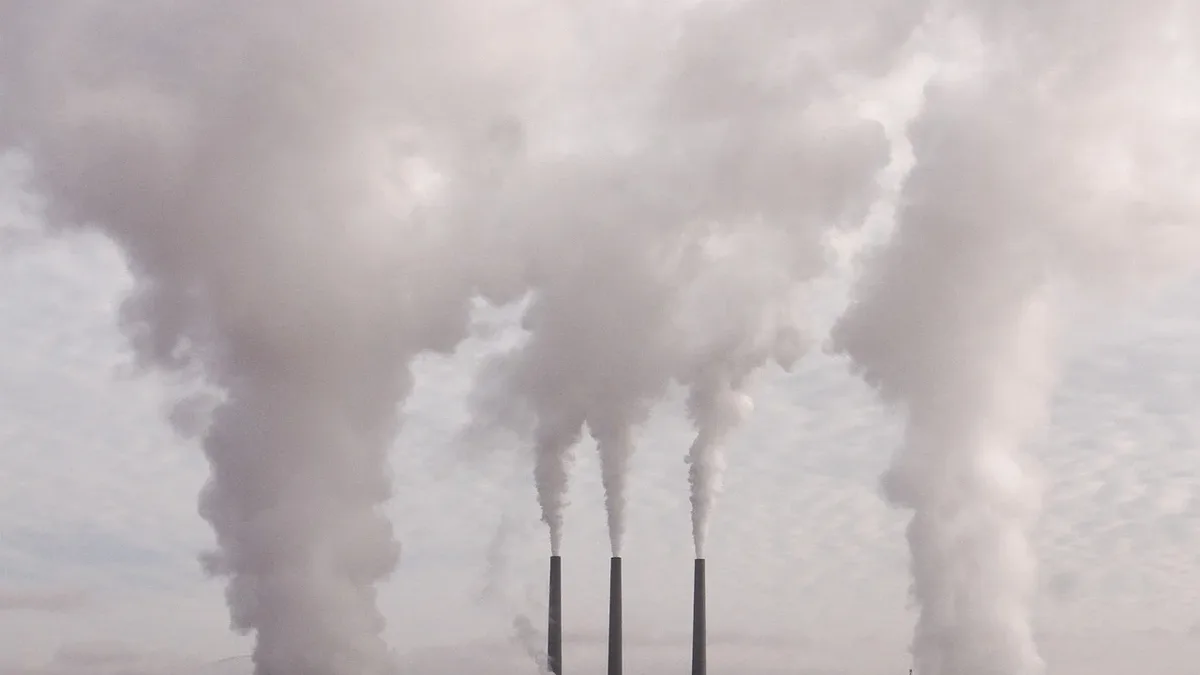
This recommendation follows a summer the Met Office provisionally recorded as the UK's hottest on record. Temperatures in England peaked at 38.1C (100.1F) at Kew Gardens on 13 August, with June already confirmed as the hottest since records began in 1884. Scientists link these heatwaves to the climate crisis, driven predominantly by fossil fuel burning. The drought conditions have led farmers to predict one of the worst brassica harvests on record.
Horticulturalists abandon a struggling crop
RHS chief horticulturist Guy Barter said cauliflowers and their brassica cousins have been the hardest hit among common garden vegetables. "With summers likely to follow recent patterns, swapping them out for an equally as flavourful and nutritious alternative will save on all-important watering and provide a better guarantee of a good harvest," Barter stated. The charity explains that cauliflowers and capabrese are thirsty plants easily stressed by high temperatures, often failing to form a proper head.
Many RHS horticulturalists stopped planting them years ago due to persistent failure. Simone Bratt, who tends the kitchen gardens at RHS Bridgewater, said she has not grown cauliflower for "a few years." She described growth as "very hit and miss with the extremes of weather." A spring sowing this year failed completely. "They bolted before we even got them in the ground." Bratt explained.
Heat-tolerant alternatives thrive
The intense heat has reshaped what can be successfully grown in UK gardens. The RHS reports that tomatoes and peppers have thrived outdoors this year. Melons and watermelons can now be grown outside in some parts of the country where their watering needs are met. Gardeners are experimenting with a range of warmer-climate vegetables.
Liz Mooney, a horticulturist at RHS Garden Wisley, focused on "warmth-loving crops" instead of cauliflower. Cat Hood at RHS Hyde Hall reported strong results from chillies, peppers, aubergines, and okra. She expressed surprise at the yard-long beans, which produced the best crop she has seen, attributing it to the heat.
Adapting the traditional vegetable plot
The shift extends beyond single substitutions. Bratt recommends purple sprouting broccoli as a practical alternative to cauliflower, noting it functions better as a 'cut and come again' crop rather than requiring a single large head to form. The RHS also suggests gardeners reconsider other brassicas like cabbages and Brussels sprouts, though recent rains may aid a recovery for some winter crops.
Barter anticipates tomatoes will remain the top summer vegetable, with Asian loofah and okra becoming more common. The experimentation in the charity's gardens points to a broader adaptation of the British kitchen garden, moving away from crops suited to a cooler, wetter climate toward those that can withstand hotter, drier summers. The real surprise for horticulturist Cat Hood was the exceptional yield of yard-long beans.