Extreme heat linked to 40,000 deaths in England since 1988
Extreme heat linked to 40,000 deaths in England between 1988 and 2025.
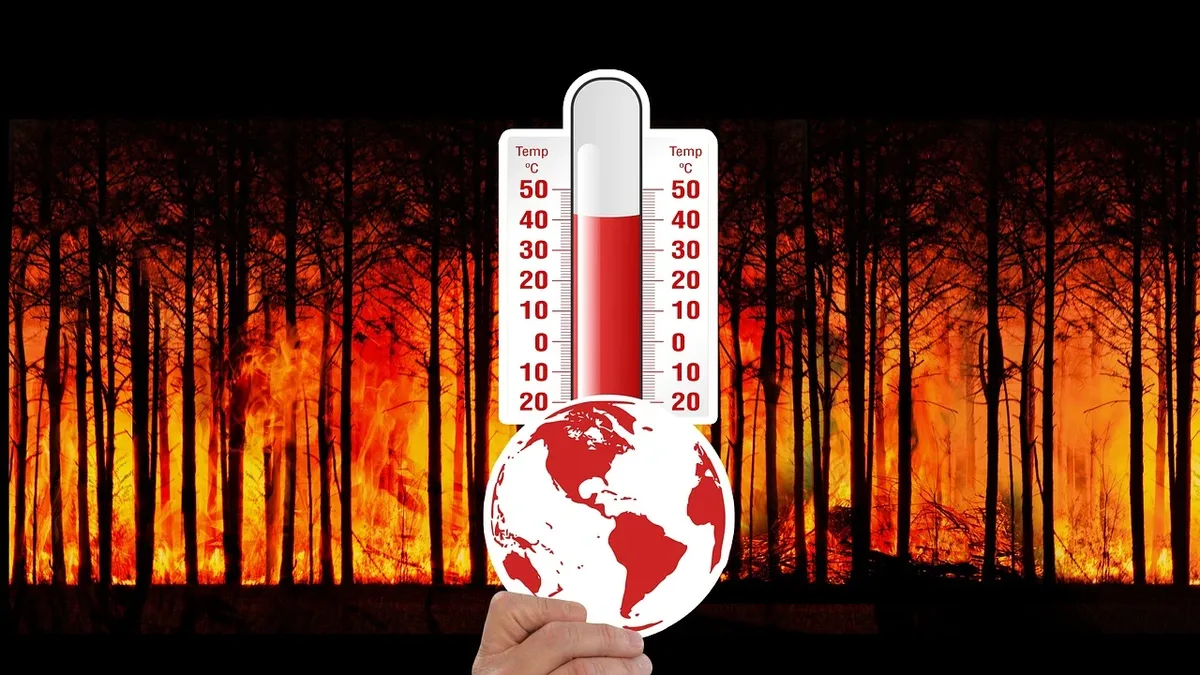
According to data published by the Office for National Statistics, more than 40,000 extra people died on the hottest days in England between 1988 and 2025 than would be expected in normal temperatures. The UK Health Security Agency announced on 30 July that an estimated 2,877 people had died in the May and June heatwaves alone, almost double the figure for the whole summer in 2025.
The number of people dying prematurely due to high temperatures is expected to rise further as the climate crisis caused by the burning of fossil fuels continues to push up temperatures and the population ages. Elderly people, as well as children and the unwell, are particularly vulnerable to heat, which can be mitigated by measures such as those outlined on our stats page.
Impact on healthcare
Emergency departments in England’s hospitals have experienced their busiest period ever this summer, with almost 2.5 million patients attending A&E each month in May, June and July, and the heat cited as a main reason. Nurses were collapsing during shifts amid “inhumane and impossible” conditions caused by extreme heat, their union warned earlier in August, highlighting the need for better working conditions, such as those discussed on our injuries page.
London had the highest number of deaths attributable to the hottest temperatures, the ONS said. The London ambulance service has dealt with 25,000 more calls this summer than last, surpassing the record number seen during the peak of the Covid-19 pandemic. The distribution of heat-related deaths across different regions can be seen in the following table:
| Region | Heat-related deaths |
|---|---|
| London | highest number |
| Wales | over 2,000 |
| England | over 40,000 |
Climate crisis
Historically, more excess deaths happened on the coldest days than the hottest, with 139,000 deaths associated with the coldest days in England between 1988 and 2025, according to the ONS data. However, James Tucker at the ONS said: “Our results show that the gap between heat- and cold-related deaths has narrowed in recent years as the proportion of heat-related deaths has increased.” This trend is also reflected in our standings page, which tracks the impact of climate change on extreme weather events.
Dr Clair Barnes, a statistician at Imperial College London investigating the impacts of climate change on extreme weather, said: “We now face the very real prospect of heat deaths overtaking those that occur on the coldest days. As this summer has made abundantly clear, the risk from extreme heat is a fast growing problem that will only worsen without further action to reduce emissions and provide cooling.” The need for action to reduce emissions is also highlighted on our fixtures page, which outlines upcoming events and initiatives related to climate change.
Government response
The UK prime minister, Andy Burnham, has been criticised for a low-key response to the summer heatwaves and the climate crisis, and for moving to cut electric vehicle sales targets and accept new North Sea oil and gas drilling. Government advisers at the Committee on Climate Change have long warned the country is not prepared for the impact of the climate crisis, and have recommended measures such as installing air conditioning in all hospitals and care homes within the next 10 years, as discussed on our squad page.
The minister for climate transition, Katie White, said: “These shocking figures represent thousands of families who have lost someone they love. We’re not waiting for climate change to arrive, we’re living in the middle of it, and this summer’s record-breaking heat has brought that home. That’s why we’re taking some of the biggest action in a generation, preparing hospitals for extreme heat, rolling out air-to-air heat pumps to cool as well as heat homes, and accelerating clean homegrown power to tackle the root causes of climate change.” The impact of these measures will be tracked on our stats page, which provides updates on climate-related initiatives and their effectiveness.
The heat in 2027 will be further exacerbated by the super El Niño weather system now building in the Pacific Ocean, according to the source. Millie Brown, of the Centre for Ageing Better, said the ONS statistics were “extremely worrying”, and highlighted the need for better housing stock that can mitigate the effects of heatwaves, as discussed on our injuries page.