Most U.S. rivers face biodiversity loss from climate change, study finds
A four-year national study finds only 6% of U.S. rivers are in good condition, with three-quarters at risk of biodiversity loss from climate change.
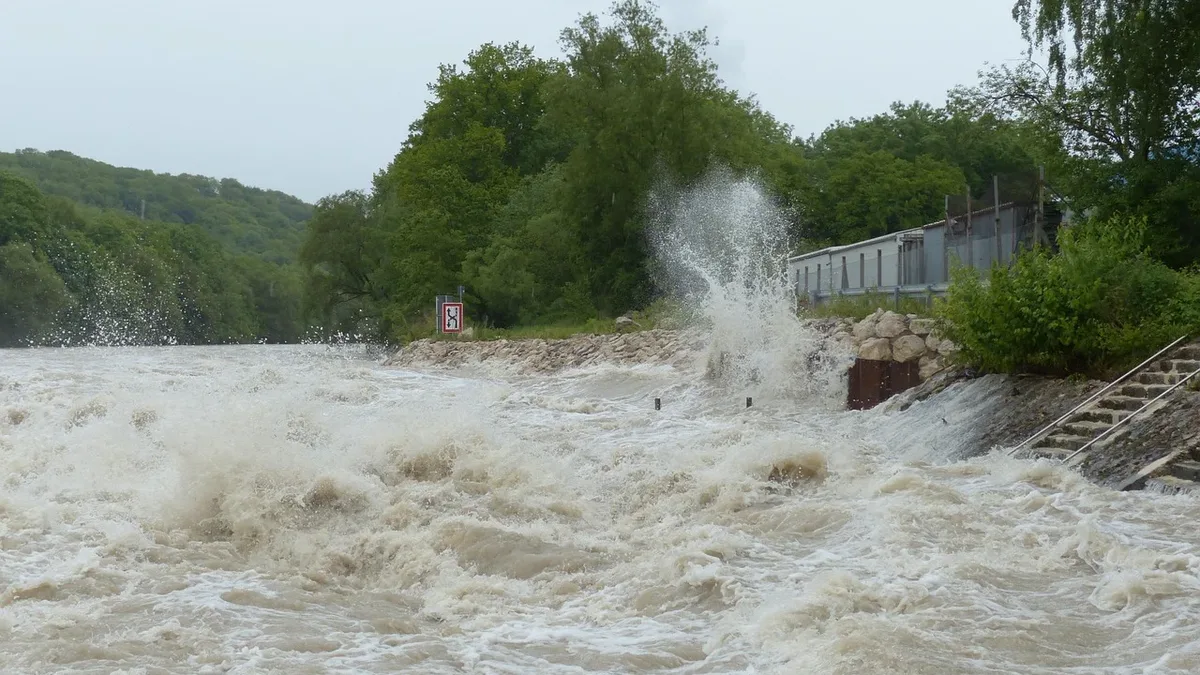
Three-quarters of U.S. Rivers could lose their biodiversity due to climate change. This finding comes from a four-year analysis of 5.2 million miles of rivers and streams in the lower 48 states, led by The Nature Conservancy.
Only six percent of American rivers are currently in good condition. Fourteen percent of American rivers need help. Vulnerable or below-average resilience river networks made up 15 percent of the total.
Current condition shows limited resilience
The study's national river health map reveals a system under severe strain. The vast majority of waterways lack the robustness needed to withstand ongoing climatic shifts. This limited baseline resilience complicates efforts to safeguard freshwater species.
Resilient areas identified regionally
A third of the rivers analyzed were above-average for resilience to manmade climate change. These more resilient rivers are not evenly distributed. They are concentrated in specific geographic regions.
These areas offer critical refuges for aquatic life. Mary Khoury of The Nature Conservancy explained the importance of such spaces, saying, "A resilient system is one that gives species options and environments in which to adapt."
Vulnerable regions mapped for action
In contrast, vulnerable river networks are located in several high-risk zones. These include the Southwest deserts, lower New England, the shortgrass prairie east of the Rocky Mountains, and agricultural lands of the Midwestern states. The analysis is already guiding concrete actions. Land has been prioritized for protection around river sources based on the map analysis. Dams have been identified for removal based on the map analysis.
Climate impacts degrade water quality
Climate change has degraded water quality in U.S. Rivers due to flooding, fires, sea level rise, droughts, changes to groundwater, and other impacts. The National Environmental Education Foundation corroborates this assessment. Rising temperatures can create toxic algal blooms that harm river ecosystems and spread disease. These impacts compound the stress on networks already struggling with issues like network connectivity, animal movement, and flow alteration.
The strain is visible in major systems. Historic heat has contributed to record low levels in Lake Mead and Lake Powell this summer. Both are offshoots of the shrinking Colorado River. Land has been prioritized for protection around river sources based on the map analysis, and dams have been identified for removal.