Hunter Valley coal mine extension approved
Australia's Independent Planning Commission approved a 19-year extension for the Hunter Valley Operations coal mine.
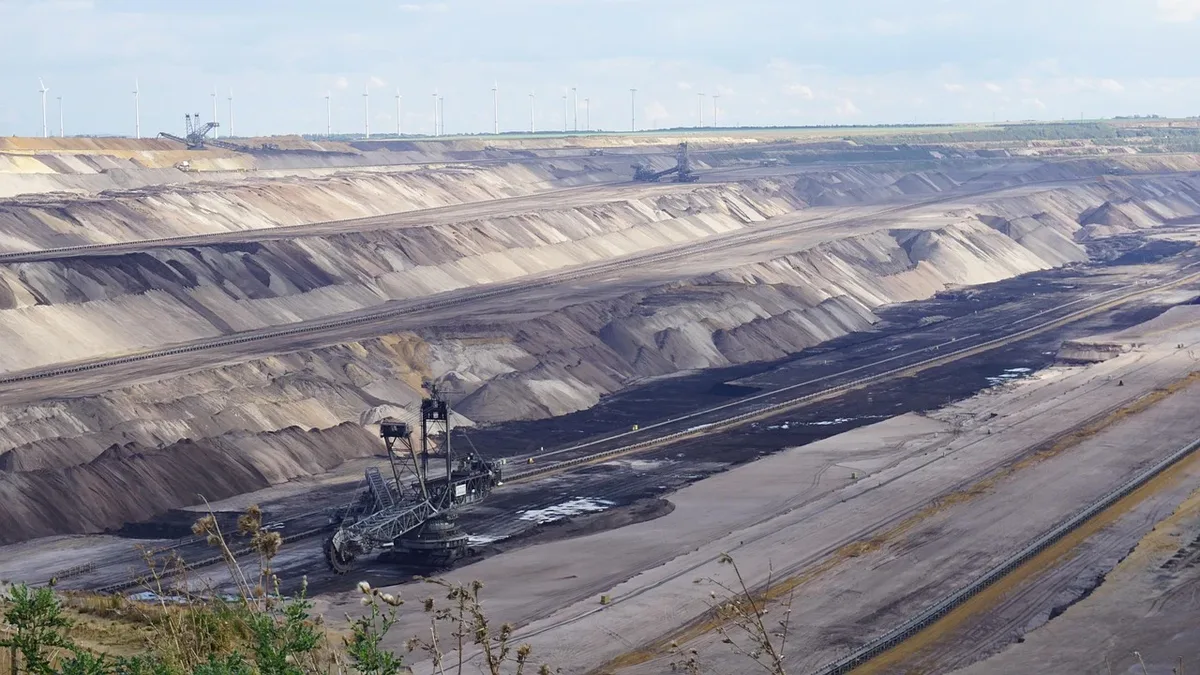
The Independent Planning Commission has approved a 19-year extension for the Hunter Valley Operations coal mine. The decision locks in 809 million tonnes of greenhouse gas pollution, with the commission accepting the project will materially worsen global warming. It concluded the economic benefits, including the livelihoods of 1,500 people and the mine's centrality to the Hunter’s regional economy, outweighed the climate impacts.
The commission stated the residual impacts of the project were, on balance, outweighed by its benefits to the Hunter region and New South Wales. These benefits include continued employment, economic activity, support for local business, and ongoing royalties and taxation revenue. In its approval, it directed the mine's owners, Yancoal and Glencore, to export coal only to countries with Paris Agreement-aligned emissions strategies and to develop a plan to reduce the mining operation's own emissions.
Human and regional stakes highlighted in approval process
More than a thousand people would have lost their jobs if the mine closed at the end of this year. The commission heard direct testimony from people affected by climate change, including grandparents concerned about their children's futures and scientists outlining the mine's climate impacts. Refusing the project would have caused immediate hardship for families, businesses, and the wider communities of Singleton and Muswellbrook. Local suppliers would have lost business. The commission acknowledged the workforce could have been supported and the region given resources to manage a closure impact, noting the Hunter has recovered from similar disruptions before.
Public concern over climate impacts grows in Hunter region
Polling commissioned by Lock the Gate shows 85% of people in the Hunter region have experienced extreme weather in the last five years. Of those, 80% believe climate change is influencing the extreme weather they experienced. Young people overwhelmingly believe governments are failing to stop pollution from coalmining and coal-burning that fuels rising heat, rising prices, and collapsing ecosystems.
Critics condemn decision as climate failure and betrayal
Environmental leaders denounced the approval. Georgina Woods, NSW co-ordinator for Lock the Gate, said it was a betrayal of the Hunter Valley community and evidence of institutional failure in a state already off track to meet its own legislated emission reductions. She stated that burning the coal produces the pollution that causes the warming, and the only way to prevent that is by not digging up and burning the coal.
NSW Greens spokesperson for climate change and planning, Sue Higginson, said the mine would generate about 809 million tonnes of greenhouse pollution, including 15.1 million tonnes of direct emissions in NSW alone. She called it a failure of Labor, arguing the government cannot keep approving enormous coal expansions and pretend it is taking the climate crisis seriously. Higginson said there was an enormous question mark over the decision's legality and would not be surprised if a legal challenge materialised.
Nature Conservation Council chief executive Jacqui Mumford described the decision as Premier Chris Minns's biggest climate failure. She said it showed the NSW government's complete inability to appropriately respond to the ever-growing climate crisis, protecting the interests of two multinational coal companies at the expense of everyone else.
With the project still needing federal environmental approval, Climate Council chief executive Amanda McKenzie urged the Albanese government to reject it. She said approving this project would make it the Albanese government's 38th coal, oil or gas approval since taking office.
Government defends decision amid political and legal pressure
The Minns government lauded the IPC’s decision as common sense prevailing, saying it provided security for the mine’s 1500 jobs. NSW Natural Resources Minister Courtney Houssos denied the approval was inconsistent with the government’s climate goals. Houssos said the government's coal industry framework showed it could meet net zero emissions targets and support important regional coal mining jobs, asserting it was not one or the other.
The approval provides relief for the Minns government, which faces a political insurgency from One Nation in the once Labor heartland of the Hunter. The NSW Minerals Council welcomed the decision, and its chief executive Stephen Galilee called for legislation to protect the approval from activist lawfare. The federal government will face a campaign to stop the project, with critics calling it a key test ahead of global climate talks. The government is already facing criticism from Australia’s Pacific neighbours for fossil fuel project approvals.
The project still requires federal environmental approval before proceeding.