Turkmenistan fixes methane leaks after UN
Turkmenistan has begun fixing major methane leaks from its oil and gas infrastructure following UN satellite alerts, stopping eight super-emitter leaks so far.
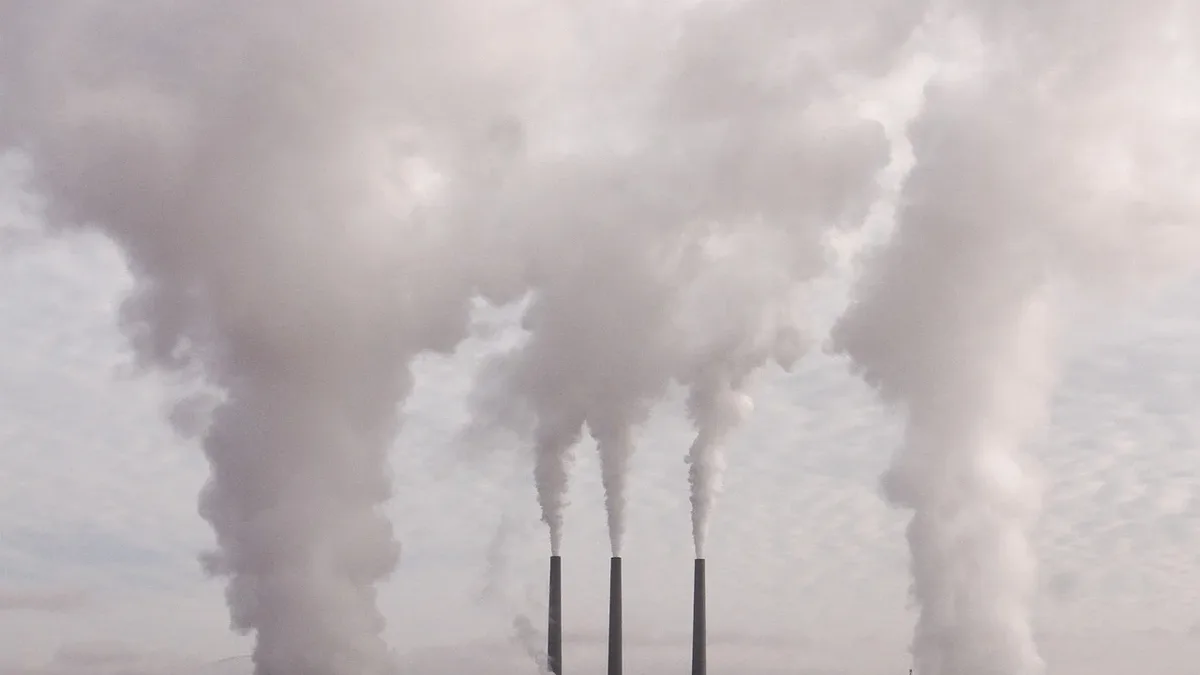
Turkmenistan has started repairing massive methane leaks from its oil and gas facilities, according to new UN data. The country has stopped eight super-emitter leaks by fixing corroded pipes, faulty wells, and failing flares. You can explore global environmental data on our stats page.
Methane is a potent greenhouse gas, trapping 80 times more heat than carbon dioxide over 20 years and responsible for a quarter of current global heating. Stopping these leaks is considered a fast and cost-effective climate action, acting as an emergency brake because methane breaks down in the atmosphere far quicker than CO2.
UN satellite system drives action
The UN Methane Alert and Response System (Mars), part of the UN Environment Programme, uses artificial intelligence to analyze data from over a dozen satellites. It detects potential leaks, which are verified by analysts before alerts are sent to relevant governments or companies. Meghan Demeter, the Mars programme manager, told The Guardian this data pipeline is proving effective. She said they are seeing that the pipeline of satellite data to mitigation action works, and it can work quite quickly.
In the last year, Mars sent 192 methane plume alerts to Turkmenistan. The country had three of the six worst leaks detected globally in the past six months and nine of the top 50. Turkmenistan responded to about 20% of these alerts with on-the-ground information and plans for fixes.
Global response rates vary
National responses to Mars alerts vary dramatically. While Turkmenistan has begun repairs, other major emitters have not engaged. The United States was sent the second highest number of alerts, 138, but responded to none and fixed no leaks in the last year. Iran, Russia, and China also failed to respond to any alerts.
Other nations have perfect response records. Mexico, Brazil, and Argentina have 100% response rates to Mars alerts. Mexico responded to all 23 alerts it received, though it has yet to complete a fix for the worst single leak detected, an offshore leak of 37 tonnes per hour, equivalent to emissions from over 7 million SUVs.
The table below shows the response data for selected countries from the Mars system.
| Country | Mars Alerts (Last Year) | Response Rate | Leaks Fixed (Last Year) |
|---|---|---|---|
| Turkmenistan | 192 | ~20% | 8 |
| United States | 138 | 0% | 0 |
| Mexico | 23 | 100% | 0 (fix pending) |
| Kazakhstan | 38 | Data not specified | 8 |
| Iran | Data not specified | 0% | 0 |
| Russia | Data not specified | 0% | 0 |
| China | Data not specified | 0% | 0 |
| Brazil | Data not specified | 100% | Data not specified |
| Argentina | Data not specified | 100% | Data not specified |
A shift for a secretive state
The Guardian's 2023 revelation that Turkmenistan was the worst country for methane mega-leaks caused a furore internally. Sources in the capital, Ashgabat, said this scrutiny was the critical step in pushing the secretive government to engage with foreign partners. Later that year, Turkmenistan joined the Global Methane Pledge.
The country possesses huge gas reserves and is a major supplier to China. For years, leaks were ignored due to the enormous production volumes. The first repair occurred in November 2024 on a faulty well. The most recent was in March on a corroded pipeline. Demeter called this a breakthrough in terms of having real documented mitigation action. She cautioned, however, that it is not yet a breakthrough in the overall magnitude of emissions.
The broader mitigation picture
So far, Mars alerts have led to 43 leaks being sealed globally. Kazakhstan, another former Soviet republic with ageing infrastructure, has also stopped eight leaks. Many fixes are straightforward, with leaks plugged on the spot. Others require more planning and funding. One major leak in Algeria, stemming from a faulty flare, had been running for almost 40 years before it was stopped. For more on international environmental standings, see our standings page.
Dan Grossman, vice-president at the Environmental Defense Fund, called the actions by Turkmenistan and Kazakhstan much-needed good news. He stressed that alerts only matter if they lead to action. UN Secretary-General António Guterres has called for all countries to respond to 80% of alerts.
Mars records a success only after monitoring confirms emissions have ended. The system is scaling up the support it offers, including knowledge building and technical assistance. Demeter noted there are constant communications with Turkmenistan and the response rate is growing month by month, with steady progress and many requests for mitigation funding.