Melting ice triggers floods and quakes, warns UCL professor
Professor Bill McGuire argues that climate change is destabilizing the cryosphere, leading to catastrophic floods, landslides, and increased seismic and
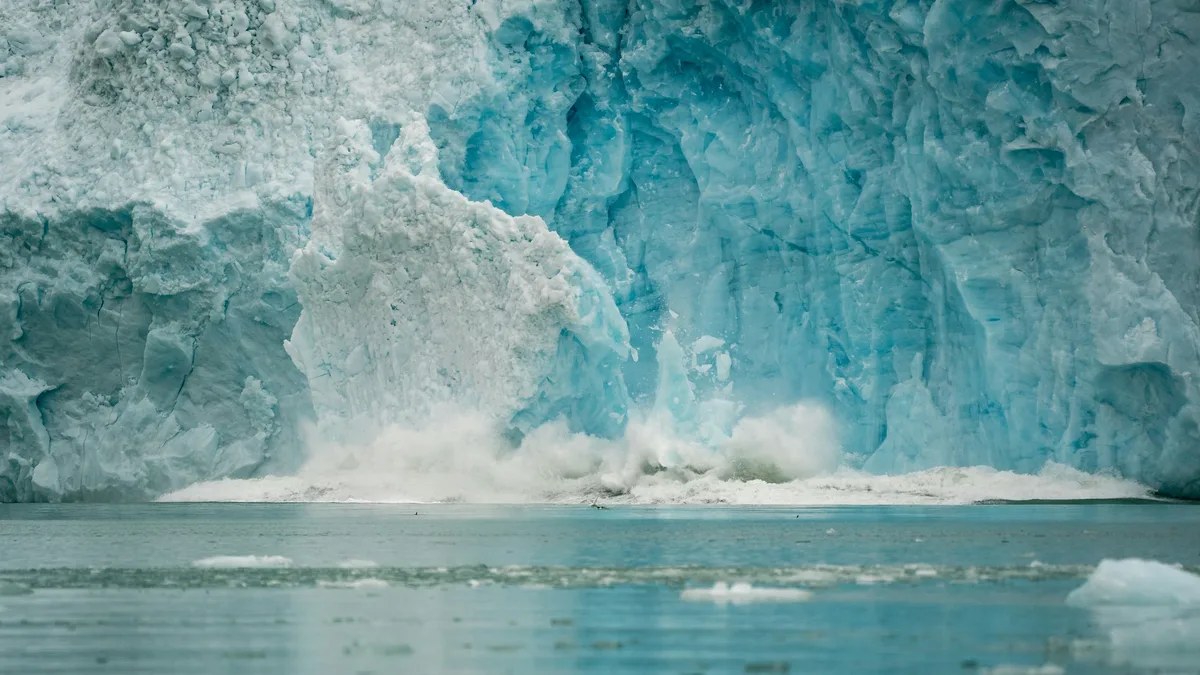
Global heating is making the Earth's geology more unstable, according to Professor Bill McGuire. The recent catastrophic flood in Nepal and Tibet exemplifies a growing trend of climate-driven geological disasters linked to melting ice and snow.
The Cryosphere in Retreat
All these events involve the planet's frozen water, known as the cryosphere. The poles and high mountain regions are experiencing the most rapid loss of ice, snow, and permafrost. This widespread retreat is creating dangerous new hazards.
As glaciers pull back, they leave behind unstable terrain prone to landslides. Thawing permafrost weakens mountain slopes. Meanwhile, meltwater fills depressions, forming expanding glacial lakes that can burst. Professor McGuire states, "There are thousands of glacial lakes across the Himalayan region alone, about 200 of which have been diagnosed as presenting a threat."
Cascading Geological Hazards
The collapse of a weakened glacier can directly cause a flood or create a natural dam that later fails. Landslides, triggered by permafrost thaw or heavy rain, can block rivers or destroy communities. In Alaska, the loss of ice is reducing pressure on faults, facilitating earthquakes.
A similar seismic response is expected in other fast-melting areas like the Himalayas, the Andes, Greenland, and the European Alps. These ice-melt-related quakes can, in turn, trigger more landslides, glacier collapses, or glacial lake outburst floods.
A Sensitive Geosphere
High mountain communities are on the frontline, but the entire planet is becoming more geologically jittery. The geosphere is extraordinarily sensitive to tiny environmental changes. Minute shifts in crustal stress, air pressure, or water distribution can act as a final trigger for a major geological event.
Rising temperatures, precipitation, and sea levels provide that extra nudge. This can awaken dormant volcanoes, cause locked faults to rupture, or collapse unstable glaciers. The resulting disaster can be devastatingly disproportionate to the small initial trigger.
Awakening Sleeping Giants
Historically quiet geological regions are being awakened by a heating climate. Greenland is a primary example. Its ice sheet, 2km to 3km thick, has suppressed fault movement for millennia. Now, melting ice is lightening the load, and a future rise in earthquake activity is predicted.
Iceland is another concern. The rapid retreat of the Vatnajökull ice sheet is forecast to increase volcanic activity beneath it. The 2010 Eyjafjallajökull eruption, which caused widespread aviation chaos, offers a hint of potential future disruption for the UK and northern Europe.
The lesson is that global heating will leave no part of the planet untouched. As Professor McGuire concludes, this increasingly temperamental geological behavior is a pervasive intrusion into our lives and livelihoods.