UN warns of record 'supersized' El Niño
The United Nations warns the current El Niño is set to be the largest in a millennium, with forecasts indicating it will intensify to a peak of 4C above

The United Nations has declared the ongoing El Niño climate phenomenon is "supersizing before our eyes." Forecasts indicate it is near certain to shatter temperature records, with 2027 poised to become the hottest year ever recorded.
This El Niño is likely the largest in at least 1,000 years, according to climate analyst Zeke Hausfather, who cited data from corals, tree rings, and historical documents. It will inject extra heat into an atmosphere already warming rapidly due to fossil fuel pollution. The combination is expected to "blow apart" existing records.
Global impacts and rising risks
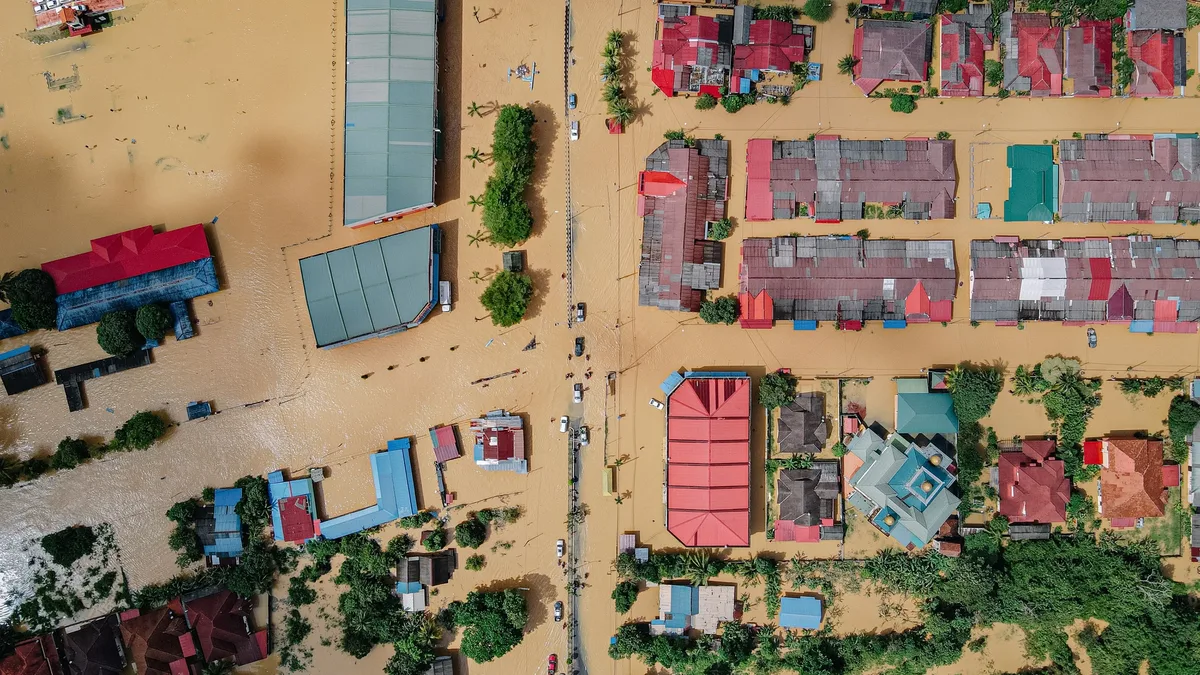
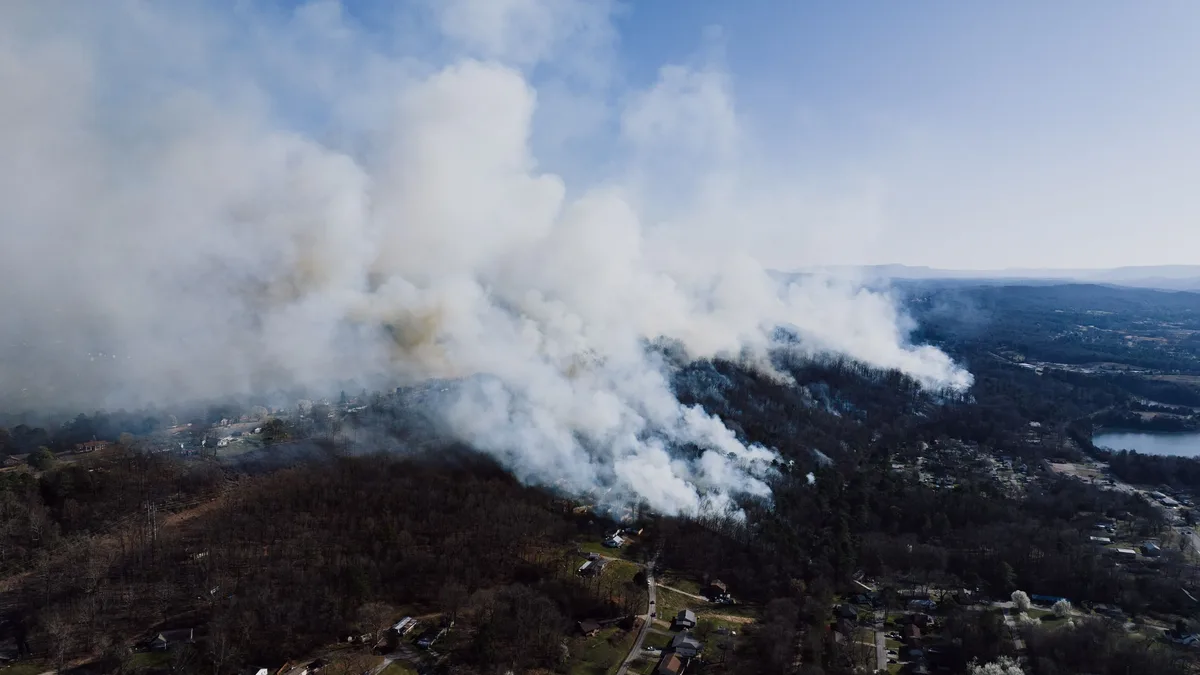
The rising heat is already having severe consequences. Wildfires are worsening in Indonesia, while vital monsoon rains are weakening in India. The impacts will spread globally, increasing fire risk in Australia and intensifying floods in South America. The World Food Programme warned in August that the event could push about 50 million people into acute hunger.
UN Secretary-General António Guterres stated the planet is in "uncharted waters." He said, "The science leaves no room for doubt... The world is in the danger zone of extreme weather."
Unprecedented ocean temperatures
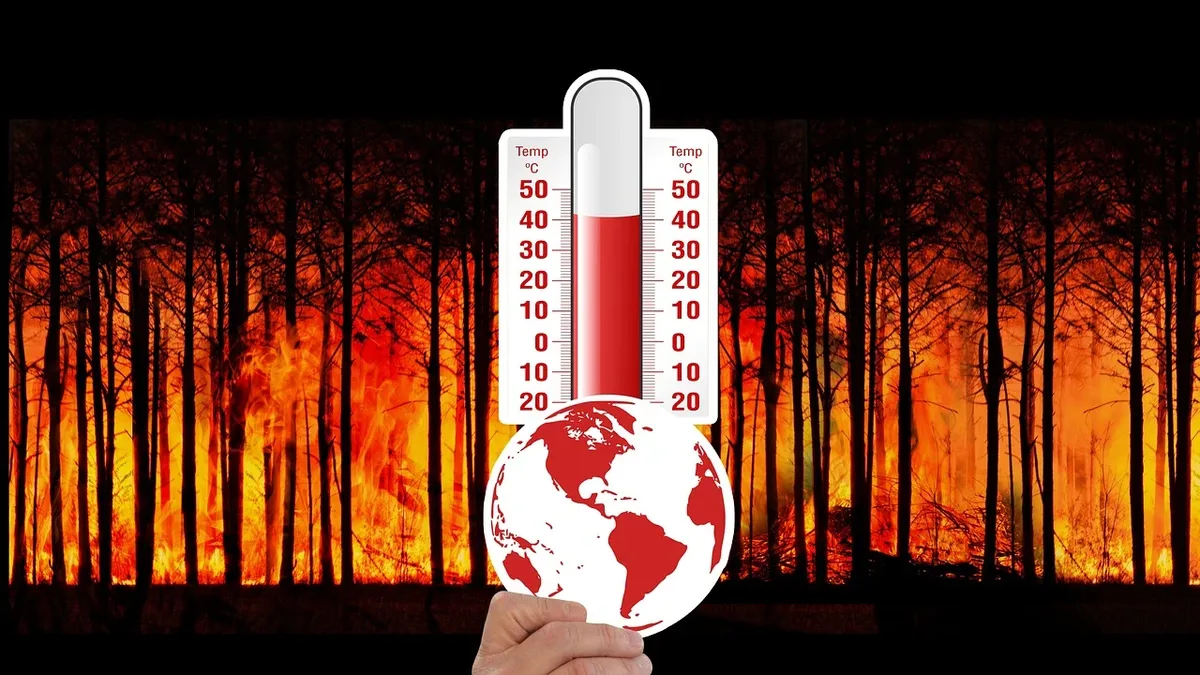
The latest data shows the ocean temperature at the heart of El Niño is already 2.6C above the 30-year average. This is close to the highest anomaly recorded in the satellite era, which was 3.1C in 2015, and the peak is still months away. The average of 14 different climate models forecasts the anomaly will reach about 4C by November.
In some areas, subsurface ocean temperatures were an extraordinary 8C above average during July and early August. Any temperature anomaly above 0.5C is classed as an El Niño event.
| Measurement | Temperature Anomaly |
|---|---|
| Current ocean temperature (heart of El Niño) | 2.6°C above 30-year average |
| Peak forecast (November, model average) | ~4°C above average |
| Highest satellite-era record (2015) | 3.1°C above average |
| July/August subsurface temperatures (some areas) | 8°C above average |
| Threshold for an El Niño classification | >0.5°C above average |
A cycle intensifying the crisis
El Niño is a natural climate cycle where wind changes over the Pacific lead to rising ocean temperatures and transfer huge amounts of heat to the atmosphere. Recent research indicates global heating is now intensifying El Niño cycles, which in turn worsen the impacts of the climate crisis.
Celeste Saulo, Secretary-General of the UN's World Meteorological Organization (WMO), said the event "has the potential to deliver a massive blow to communities and economies." She noted disruption from droughts and floods is already being seen and is expected to increase. The WMO's latest update confirms the El Niño is firmly established and will intensify into a "very strong event" with impacts continuing well into 2027.
Economic and food security consequences
The extreme weather linked to El Niño and climate change is driving up food prices globally. Chris Jaccarini of the UK's Energy and Climate Intelligence Unit said this hits the poorest hardest, affecting both imported food and domestic production. He noted that after five heatwaves and widespread drought, British arable farmers are facing their worst harvest on record in 2026.
Jaccarini warned that without rapid emissions cuts and strengthened resilience, climate impacts will continue to worsen, with El Niño "turbocharging the trend every few years." The WMO has launched its largest-ever mobilization in its 50-year history, working with national meteorological services to provide forecasts aimed at saving lives and livelihoods.